
Science
Mastering the Art of Bending Thick-Walled Tubes for Industry

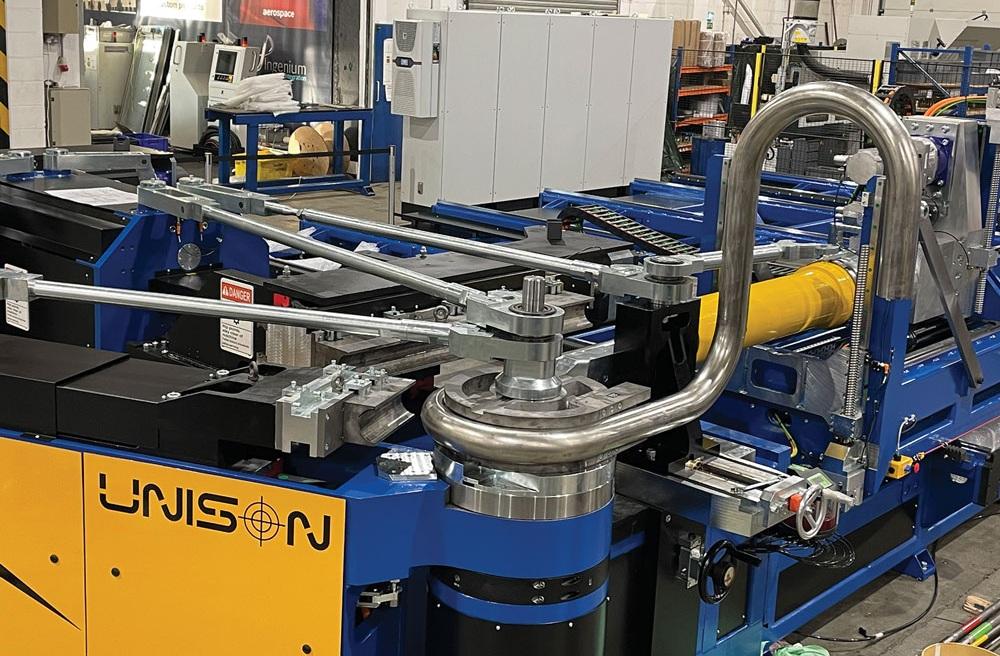
Bending thick-walled tubes requires specialized tooling and precise process control due to the unique characteristics of the material. This necessity arises from the inherent challenges these tubes present, which differ significantly from their thinner counterparts. Understanding these factors is crucial for manufacturers aiming to enhance their production efficiency and quality.
Understanding the Challenges
Thick-walled tubes are often utilized in sectors such as aerospace, automotive, and construction. The demands of these industries require components that can withstand significant stress and pressure. According to industry experts, the successful bending of these tubes hinges on a comprehensive understanding of material behaviour. Factors such as elasticity, tensile strength, and ductility play vital roles in determining how a tube will respond during the bending process.
Manufacturers must adapt their tooling to accommodate the thickness of the walls. Standard machines may not suffice, as the added material necessitates greater force and more robust equipment. As a result, companies are increasingly investing in advanced machinery specifically designed for this purpose.
Implementing Effective Process Control
Beyond tooling, tighter process control is essential for achieving consistent results. Each bending operation can introduce variables that may affect the final product, such as temperature and the speed of operation. Implementing rigorous quality control measures allows manufacturers to minimize defects and ensure that each tube meets stringent industry specifications.
Research conducted by the American Society of Mechanical Engineers indicates that improper handling during the bending process can lead to significant material fatigue. This not only compromises the integrity of the final product but can also lead to costly recalls or project delays. As such, companies are encouraged to invest in training programs for their staff to enhance their understanding of the materials and processes involved.
The industry is witnessing a shift towards automation and smart technologies. By integrating sensors and real-time monitoring systems, manufacturers can track the bending process closely, allowing for immediate adjustments to maintain quality standards. This technological advancement not only improves efficiency but also reduces waste, aligning with the growing emphasis on sustainability in manufacturing.
Overall, the bending of thick-walled tubes is a complex task that demands a multifaceted approach. By focusing on proper tooling and rigorous process control, companies can navigate the challenges associated with these materials. As industries evolve and the demand for high-quality components grows, mastering this art will be essential for maintaining competitive advantage.









Canada Must Revise Education Strategies to Improve Math Scores

American Airlines: A Century of Evolution and Dominance

Doug Ford Rides Snowmobile to Support Muskoka Hospital Fundraising

Winnipeg’s Shivers & Shimmies Gala Features International Star THIS WEEKEND

Money Williams Leads Montana to Last-Minute 73-68 Win Over Idaho

Seahawks Logo Sparks Cultural Awakening Ahead of Super Bowl

Beloved Educator Dianne Sharp Passes Away at 78

3 Doors Down Lead Singer Brad Arnold Dies at 47 After Cancer Battle

Fungi Flourish on Carrot Waste: A Solution for Global Hunger

Secwepemc First Nation Seeks Aboriginal Title Over Kamloops Area

Scientists Unearth Ancient Antarctic Ice to Unlock Climate Secrets

Urgent Fire Erupts at Salvation Army on Christmas Evening

Canadian Curler E.J. Harnden Announces Retirement from Competition

Manitoba’s Burger Champion Shines Again Amid Dining Innovations

Fatal Crash on Highway 11 Claims Three Lives, Major Closure Ongoing

Trump and McCormick to Announce $70 Billion Energy Investments

Four Astronauts Return to Earth After International Space Station Mission

TransLink Launches Food Truck Program to Boost Revenue in Vancouver
-
 Politics3 months ago
Secwepemc First Nation Seeks Aboriginal Title Over Kamloops Area
-
 World7 months ago
Scientists Unearth Ancient Antarctic Ice to Unlock Climate Secrets
-
 Top Stories1 month ago
Urgent Fire Erupts at Salvation Army on Christmas Evening
-
 Sports1 month ago
Canadian Curler E.J. Harnden Announces Retirement from Competition
-
 Lifestyle5 months ago
Manitoba’s Burger Champion Shines Again Amid Dining Innovations
-
 Top Stories2 months ago
Fatal Crash on Highway 11 Claims Three Lives, Major Closure Ongoing
-
 Entertainment7 months ago
Trump and McCormick to Announce $70 Billion Energy Investments
-
 Science7 months ago
Four Astronauts Return to Earth After International Space Station Mission
-
 Lifestyle7 months ago
TransLink Launches Food Truck Program to Boost Revenue in Vancouver
-

 Technology5 months ago
Apple Notes Enhances Functionality with Markdown Support in macOS 26
-

 Top Stories1 month ago
Blue Jays Sign Kazuma Okamoto: Impact on Bo Bichette’s Future
-

 Top Stories2 months ago
NHL Teams Inquire About Marc-André Fleury’s Potential Return