
Science
NASA Delays Artemis II Mission as Helium Issue Forces Rocket Return

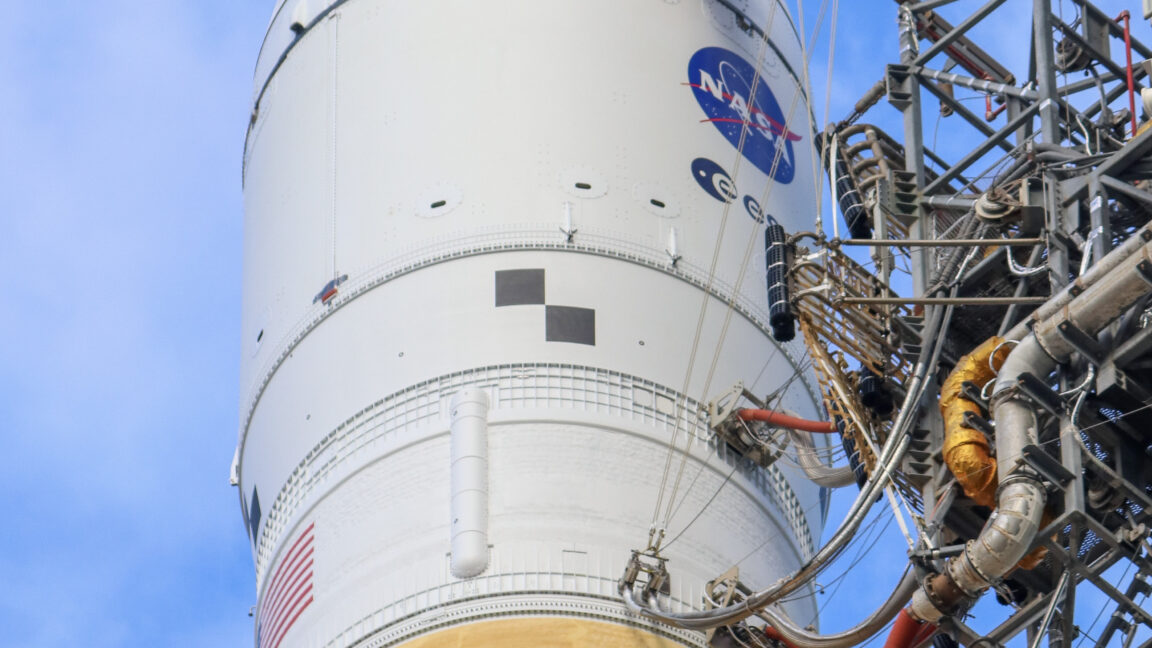
NASA announced that it must return the Artemis II rocket to the Vehicle Assembly Building (VAB) in Florida for repairs due to a helium flow issue. This development comes just a day after officials expressed confidence in a potential launch window around March 6, 2024. The problem emerged on the evening of March 1, 2024, when data indicated an interruption in helium flow to the upper stage of the Space Launch System (SLS) rocket.
NASA Administrator Jared Isaacman shared updates via a post on X, stating that engineers are currently investigating the cause. He emphasized that any necessary repairs must take place within the VAB, necessitating the removal of the 322-foot-tall (98-meter) rocket from its launch pad at Launch Complex 39B. Teams will prepare to transport the SLS rocket and its mobile launch platform using NASA’s crawler-transporter for the four-mile journey back to the VAB.
Isaacman expressed understanding of the disappointment surrounding the delay, emphasizing that the setback is particularly felt by the dedicated NASA team that has been working diligently towards this mission. “Regardless of the potential fault, accessing and remediating any of these issues can only be performed in the VAB,” he noted.
NASA initially aimed for a launch opportunity on March 6, one of five available dates in the month. Launch windows are limited due to the Moon’s position, trajectory requirements, and thermal and lighting conditions. The next possible launch dates would begin on April 1, 2024.
The agency previously bypassed launch opportunities earlier in February after a fueling test revealed a hydrogen leak in the SLS rocket. Following the replacement of seals in the fueling line, a subsequent fueling test on February 29 showed no significant leaks, raising hopes for the March launch. However, the discovery of the helium issue has now ruled out the March launch dates.
The helium system on the SLS upper stage, known as the Interim Cryogenic Propulsion Stage (ICPS), had functioned correctly during countdown rehearsals. “Last evening, the team was unable to get helium flow through the vehicle. This occurred during a routine operation to repressurize the system,” Isaacman explained. Helium is crucial for purging the upper stage engine and pressurizing its propellant tanks.
NASA confirmed that the rocket is currently in a “safe configuration,” with a backup system supplying purge air to the upper stage. The agency experienced a similar issue during preparations for the Artemis I mission in 2022, which was traced to a failed check valve. As of now, it remains unclear whether the latest helium issue stems from a similar valve failure, an issue with the umbilical interface, or a problem with a filter.
Inside the VAB, ground teams will set up work platforms to access the upper stage and its umbilical connections. Moving the rocket back to the VAB now may help NASA preserve the April launch window, contingent on the results of the investigation and repair efforts in the coming days and weeks.
There is uncertainty regarding whether another fueling test will be conducted after the SLS returns to Launch Pad 39B. Technicians are also expected to replace batteries on the rocket’s flight termination system, as the current batteries are set to expire next month.
Artemis II will be the first human spaceflight mission to the vicinity of the Moon since 1972 and marks the inaugural flight of astronauts aboard NASA’s SLS rocket and Orion spacecraft. The crew includes Reid Wiseman, pilot Victor Glover, and mission specialists Christina Koch and Jeremy Hansen, who entered NASA’s standard preflight medical quarantine recently. Following this setback, they will resume normal training activities.
The Artemis II mission is a precursor to future missions that aim to land on the Moon’s south pole. NASA plans to achieve a Moon landing by 2028, although the timeline is subject to various uncertainties, including the availability of a human-rated lander and the readiness of the SLS rocket and Orion spacecraft. A successful Artemis II mission is critical for demonstrating the capabilities of both the SLS and Orion systems.
Isaacman hinted that a more detailed briefing on Artemis II and NASA’s broader lunar program is forthcoming later this week, as the agency navigates the complexities of its ambitious goals for lunar exploration.












Morris Churches Unite for Annual Good Friday Walk With the Cross

Chloe Zhao’s ‘Buffy’ Reboot Cancelled: Sarah Michelle Gellar Speaks Out

Essential Ingredients for Life Found in Ryugu Asteroid Samples

Urgent Rescue: NSR Airlifts Injured Climber from Nanaimo

Riverside Heart Ball Achieves Record $815,000 for Mental Health

Cognizant Launches AI Factory to Enhance Enterprise AI Scalability

Samsung’s Galaxy Watch 9 to Feature Larger Battery Than Before

Toronto’s AIDS Memorial Faces Potential Redesign Amid Community Concerns

Bayern Munich Loses Luis Díaz Red Card Appeal Despite Referee’s Admission

Secwepemc First Nation Seeks Aboriginal Title Over Kamloops Area

Fatal Crash on Highway 11 Claims Three Lives, Major Closure Ongoing

Manitoba’s Burger Champion Shines Again Amid Dining Innovations

Canadian Curler E.J. Harnden Announces Retirement from Competition

Urgent Fire Erupts at Salvation Army on Christmas Evening

Scientists Unearth Ancient Antarctic Ice to Unlock Climate Secrets

Minister Faces Scrutiny Over Delayed Foreign Interference Watchdog Appointment

Trump and McCormick to Announce $70 Billion Energy Investments

Monika Hibbs Unveils Acres Market & Interiors in Major Rebrand
-
 Politics5 months ago
Secwepemc First Nation Seeks Aboriginal Title Over Kamloops Area
-
 Top Stories4 months ago
Fatal Crash on Highway 11 Claims Three Lives, Major Closure Ongoing
-
 Lifestyle7 months ago
Manitoba’s Burger Champion Shines Again Amid Dining Innovations
-
 Sports4 months ago
Canadian Curler E.J. Harnden Announces Retirement from Competition
-
 Top Stories4 months ago
Urgent Fire Erupts at Salvation Army on Christmas Evening
-
 World9 months ago
Scientists Unearth Ancient Antarctic Ice to Unlock Climate Secrets
-
 World5 months ago
Minister Faces Scrutiny Over Delayed Foreign Interference Watchdog Appointment
-
 Entertainment9 months ago
Trump and McCormick to Announce $70 Billion Energy Investments
-
 Lifestyle9 months ago
Monika Hibbs Unveils Acres Market & Interiors in Major Rebrand
-
 Science9 months ago
Four Astronauts Return to Earth After International Space Station Mission
-

 Lifestyle9 months ago
TransLink Launches Food Truck Program to Boost Revenue in Vancouver
-

 World2 months ago
Ranchman’s Cookhouse & Dancehall to Relocate by Early 2027