
Science
New Melbourne Study Reveals Benefits of Remote Work on Mental Health

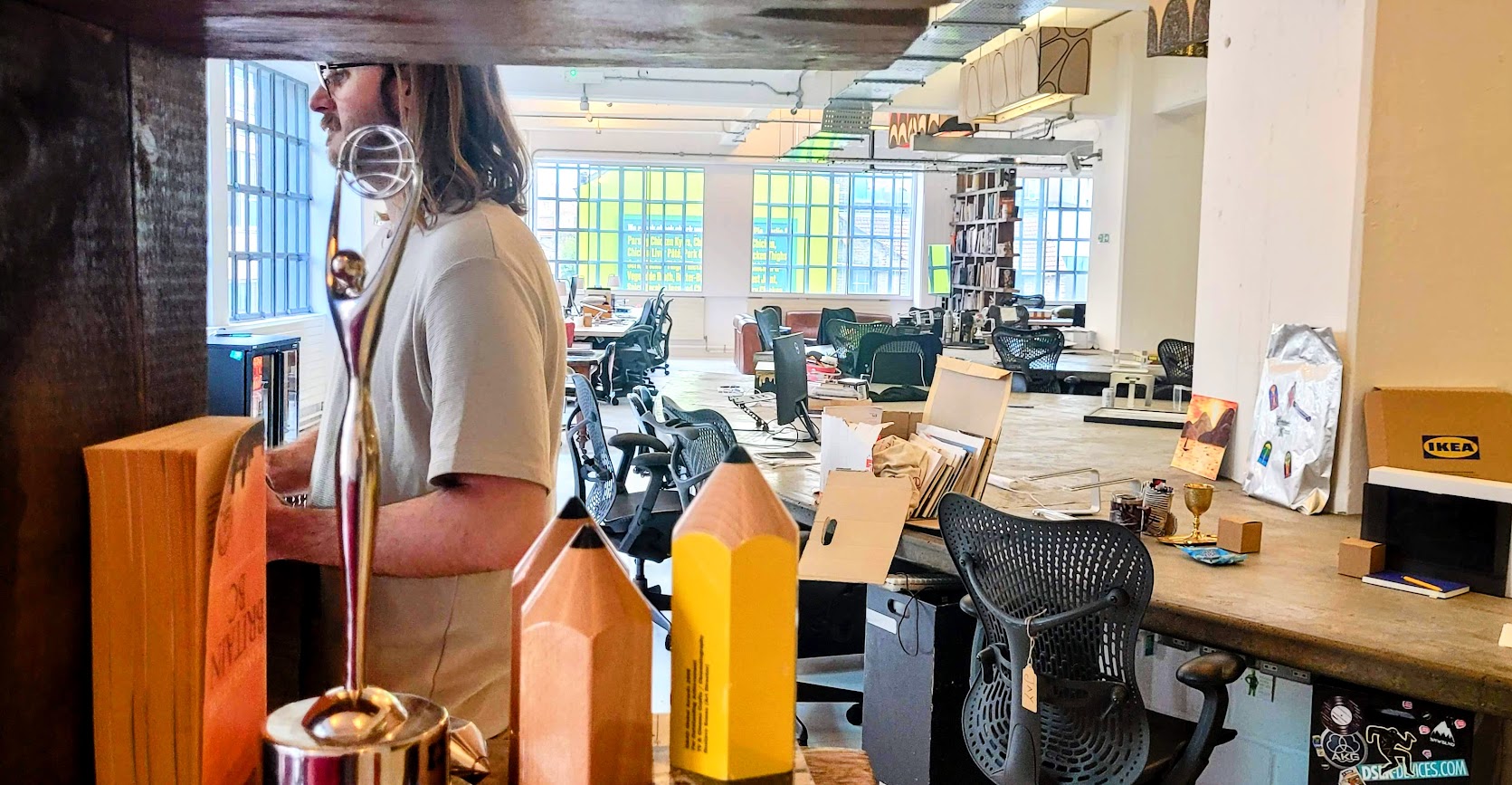
A recent study from Melbourne University has highlighted the positive impact of remote work on mental health, drawing on two decades of data from the Household, Income and Labour Dynamics in Australia (HILDA) Survey. Excluding the pandemic era and significant life events, the research provides valuable insights into the long-term benefits of working from home, particularly for individuals facing mental health challenges.
The study offers a critical review of the modern workplace, which has often been characterized by high employee turnover, office politics, and a decline in work ethic. These factors can create an environment that is not conducive to productivity. Employees who work on-site face escalating costs and stressors that can detract from their overall well-being, yet these issues are frequently overlooked in corporate summaries.
While the study affirms that remote work can benefit those with existing mental health issues, it raises questions about the definitions and assessments of mental health itself. The researchers have noted that the findings may not apply equally to all workers, as there is substantial variation in individual circumstances and workplace environments. In particular, stigma often prevents individuals from openly discussing their mental health, complicating efforts to evaluate the true impact of working conditions on overall well-being.
The past 20 years have seen significant shifts in workplace attitudes towards mental health. Although anxiety and stress have long been issues, the aftermath of the pandemic has permanently altered perceptions regarding remote work. Many employees now prioritize work-life balance, and a reduction in commuting times has emerged as a notable advantage of working from home. The study indicates that employees with shorter commutes experience enhanced well-being, which further underscores the importance of flexible working arrangements.
The overall economic landscape for office jobs has shifted as well. With commuting times consuming approximately two hours of potential productivity, and the rising costs associated with maintaining physical office spaces, many employees are evaluating the practicalities of traditional work environments.
The study reflects a broader trend towards recognizing the varying realities of mental health in the workplace. With approximately 25% of the workforce expected to encounter mental health challenges at some point, understanding these dynamics has never been more crucial.
In light of these findings, it is essential that organizations begin to reassess their approaches to workplace policies. The traditional office model may no longer be sufficient to meet the needs of a diverse workforce. As the workplace continues to evolve, companies must consider the human and financial costs associated with outdated practices.
The results of this study serve as a call to action, urging employers to adapt their strategies to support mental well-being and to embrace the potential of remote work as a sustainable practice. With the rapid advancement of technology, the future of work is set to change dramatically; acknowledging the realities of the modern workplace is vital for fostering a healthier environment for all employees.










Morris Churches Unite for Annual Good Friday Walk With the Cross

Chloe Zhao’s ‘Buffy’ Reboot Cancelled: Sarah Michelle Gellar Speaks Out

Essential Ingredients for Life Found in Ryugu Asteroid Samples

Urgent Rescue: NSR Airlifts Injured Climber from Nanaimo

Riverside Heart Ball Achieves Record $815,000 for Mental Health

Cognizant Launches AI Factory to Enhance Enterprise AI Scalability

Samsung’s Galaxy Watch 9 to Feature Larger Battery Than Before

Toronto’s AIDS Memorial Faces Potential Redesign Amid Community Concerns

Bayern Munich Loses Luis Díaz Red Card Appeal Despite Referee’s Admission

Secwepemc First Nation Seeks Aboriginal Title Over Kamloops Area

Fatal Crash on Highway 11 Claims Three Lives, Major Closure Ongoing

Manitoba’s Burger Champion Shines Again Amid Dining Innovations

Canadian Curler E.J. Harnden Announces Retirement from Competition

Urgent Fire Erupts at Salvation Army on Christmas Evening

Scientists Unearth Ancient Antarctic Ice to Unlock Climate Secrets

Minister Faces Scrutiny Over Delayed Foreign Interference Watchdog Appointment

Trump and McCormick to Announce $70 Billion Energy Investments

Monika Hibbs Unveils Acres Market & Interiors in Major Rebrand
-
 Politics5 months ago
Secwepemc First Nation Seeks Aboriginal Title Over Kamloops Area
-
 Top Stories4 months ago
Fatal Crash on Highway 11 Claims Three Lives, Major Closure Ongoing
-
 Lifestyle7 months ago
Manitoba’s Burger Champion Shines Again Amid Dining Innovations
-
 Sports3 months ago
Canadian Curler E.J. Harnden Announces Retirement from Competition
-
 Top Stories3 months ago
Urgent Fire Erupts at Salvation Army on Christmas Evening
-
 World9 months ago
Scientists Unearth Ancient Antarctic Ice to Unlock Climate Secrets
-
 World5 months ago
Minister Faces Scrutiny Over Delayed Foreign Interference Watchdog Appointment
-
 Entertainment9 months ago
Trump and McCormick to Announce $70 Billion Energy Investments
-
 Lifestyle9 months ago
Monika Hibbs Unveils Acres Market & Interiors in Major Rebrand
-

 Science9 months ago
Four Astronauts Return to Earth After International Space Station Mission
-

 Lifestyle9 months ago
TransLink Launches Food Truck Program to Boost Revenue in Vancouver
-

 World1 month ago
Ranchman’s Cookhouse & Dancehall to Relocate by Early 2027