
Science
New Research Links Volcanic Activity to Spread of Black Death

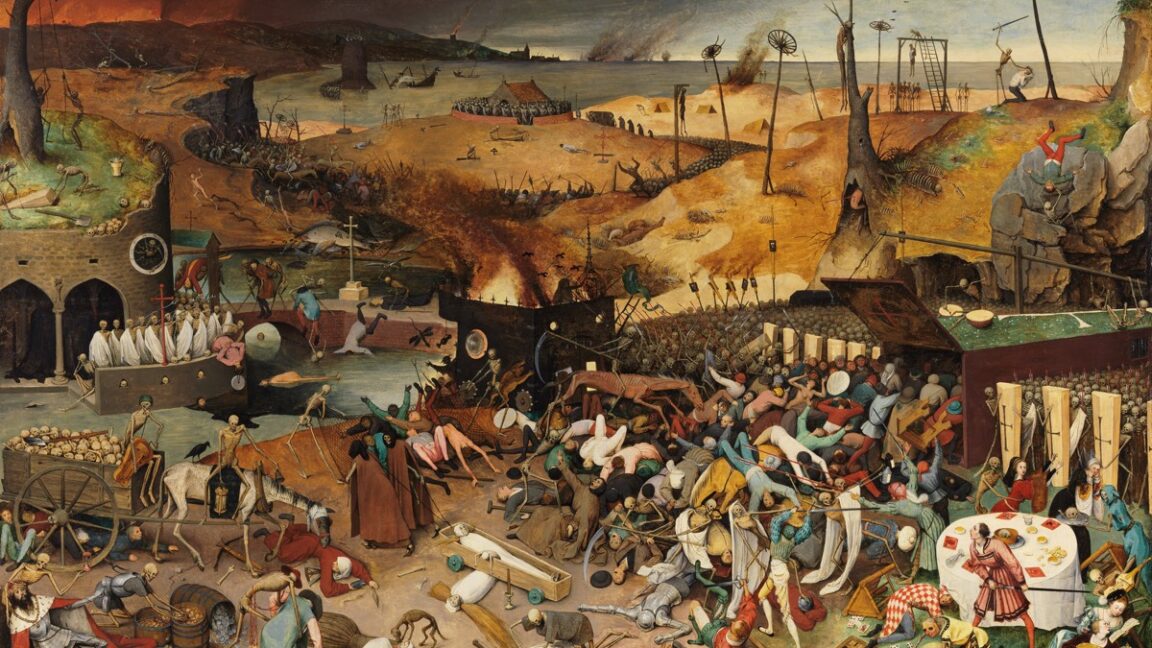
The catastrophic spread of the Black Death in the 1340s may have been influenced by volcanic activity, according to a new study published in the journal Communications Earth & Environment. Researchers have identified a potential link between climate changes caused by volcanic eruptions and the conditions that enabled the plague to devastate Europe, wiping out approximately one-third of the population.
The study, led by Ulf Büntgen from the University of Cambridge, suggests that either a single large volcanic eruption or a series of eruptions around the year 1345 may have initiated a chain reaction. This sequence of events created a colder climate, which contributed to crop failures and subsequent famine in several regions, including parts of Spain, southern France, and Italy.
Uncovering the Factors Behind the Black Death
The research highlights that the Black Death, scientifically identified as the second plague pandemic, followed a series of outbreaks that began with the Justinian Plague around 541 CE. The new analysis examined data from tree rings collected from various European sites to reconstruct summer temperatures during the critical years of the 1340s. The findings indicated a significant drop in temperature, correlating with unusually cold and wet summers for three consecutive years: 1345, 1346, and 1347.
In addition, Büntgen and his team analyzed historical texts, including chronicles and treatises, for mentions of extreme weather conditions and their effects on society. They found references to an increased cloud cover and darkened lunar eclipses, which are often associated with volcanic dust in the atmosphere. This climatic shift severely impacted agricultural productivity, leading to heightened food prices and a reliance on grain imports.
Smaller urban centers like Bologna, Florence, and Venice depended heavily on grain supplied through trade routes established by the Mongols of the Golden Horde. The study’s authors noted that while larger cities managed to sustain themselves, the food shortages in these smaller cities created an environment ripe for the spread of Yersinia pestis, the bacterium responsible for the plague.
Lessons for Today’s Globalized World
By examining the interplay of climatic, ecological, and socioeconomic factors, the study underscores the complexity of how infectious diseases spread. The authors caution that while the unique circumstances surrounding the Black Death may not be easily replicated, similar conditions could emerge in today’s interconnected world.
Büntgen emphasized the importance of interdisciplinary approaches to understanding and mitigating future pandemics, particularly in light of recent global health crises like COVID-19. “The probability of zoonotic diseases emerging under climate change and translating into pandemics is likely to increase in a globalized world,” he stated.
This comprehensive research not only enhances the understanding of historical pandemics but also serves as a reminder of the potential risks posed by climate change and environmental disruptions in the modern era. The findings call for continued vigilance and preparedness to address future public health threats.












Ontario Education Minister to Decide on Trustee Cuts Early 2026

Annual Freezin’ for a Reezin’ Raises Funds for Ottawa’s Food Basket

Eurovision Faces Boycotts as Countries Withdraw Support for Israel

New Research Links Volcanic Activity to Spread of Black Death

Discover Why “Gut Rest” Is Gaining Popularity Globally

CSE Suspends Four Companies Following Regulatory Orders

OpenAI Fast-Tracks GPT-5.2 Release to Counter Google’s Gemini 3

Colleen Jones Honored at Funeral in Halifax Amid Outpouring of Grief

Urgent: N.W.T. Schools Get Immediate Support After Lead Found

Secwepemc First Nation Seeks Aboriginal Title Over Kamloops Area

Scientists Unearth Ancient Antarctic Ice to Unlock Climate Secrets

Trump and McCormick to Announce $70 Billion Energy Investments

Four Astronauts Return to Earth After International Space Station Mission

TransLink Launches Food Truck Program to Boost Revenue in Vancouver

Apple Notes Enhances Functionality with Markdown Support in macOS 26

Manitoba’s Burger Champion Shines Again Amid Dining Innovations

Urgent Update: Fatal Crash on Highway 99 Claims Life of Pitt Meadows Man

Ukrainian Tennis Star Elina Svitolina Faces Death Threats Online
-
 Politics4 weeks ago
Secwepemc First Nation Seeks Aboriginal Title Over Kamloops Area
-
 World5 months ago
Scientists Unearth Ancient Antarctic Ice to Unlock Climate Secrets
-
 Entertainment5 months ago
Trump and McCormick to Announce $70 Billion Energy Investments
-
 Science5 months ago
Four Astronauts Return to Earth After International Space Station Mission
-
 Lifestyle5 months ago
TransLink Launches Food Truck Program to Boost Revenue in Vancouver
-
 Technology3 months ago
Apple Notes Enhances Functionality with Markdown Support in macOS 26
-
 Lifestyle3 months ago
Manitoba’s Burger Champion Shines Again Amid Dining Innovations
-
 Top Stories2 months ago
Urgent Update: Fatal Crash on Highway 99 Claims Life of Pitt Meadows Man
-
 Politics4 months ago
Ukrainian Tennis Star Elina Svitolina Faces Death Threats Online
-

 Sports5 months ago
Search Underway for Missing Hunter Amid Hokkaido Bear Emergency
-

 Politics5 months ago
Carney Engages First Nations Leaders at Development Law Summit
-

 Technology5 months ago
Frosthaven Launches Early Access on July 31, 2025