
Science
Nova Scotia Partners with Dalhousie University to Explore Natural Gas

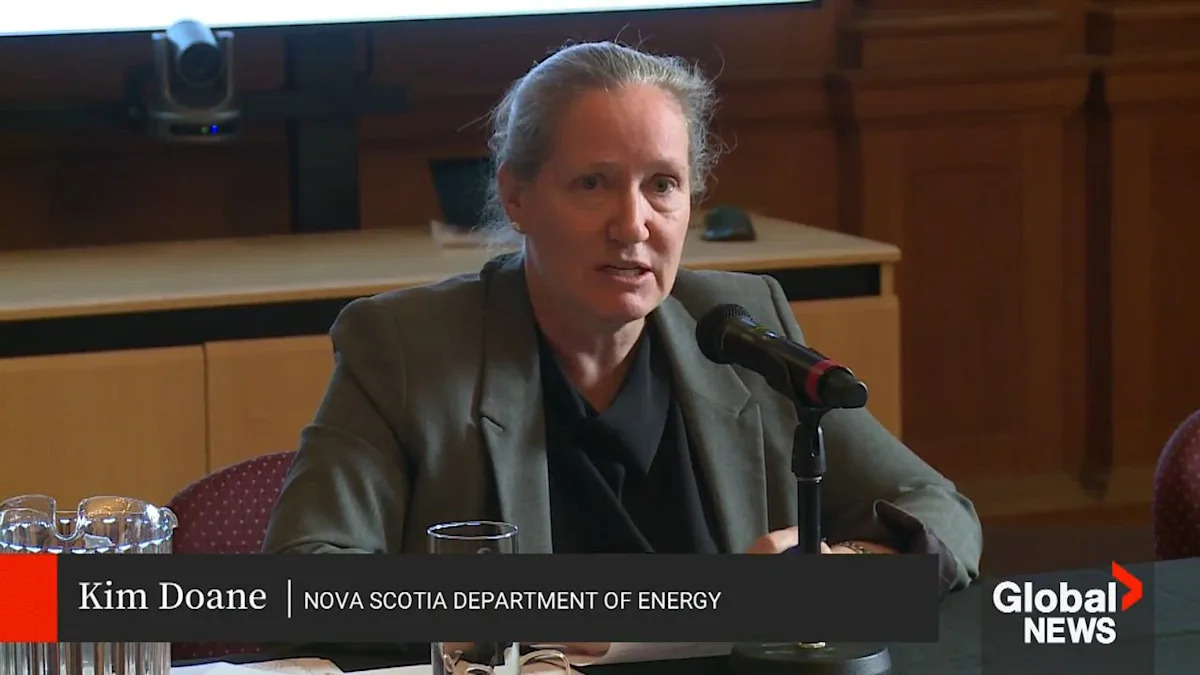
The Nova Scotia government has engaged Dalhousie University to lead a research initiative aimed at identifying suitable locations for natural gas drilling within the province. This initiative has sparked a debate, as some community members and environmental advocates express concerns regarding the potential impacts of developing a natural gas industry.
This partnership comes as Nova Scotia seeks to diversify its energy resources and explore options beyond traditional sources. The government believes that leveraging academic expertise will facilitate a more informed approach to identifying drilling sites. Mitchell Bailey reports that while some view this collaboration as a necessary step towards energy diversification, others argue it could have adverse effects on local ecosystems and communities.
Concerns Raised Over Environmental Impact
The announcement has been met with resistance from various stakeholders. Environmental groups have voiced fears that increased drilling could lead to significant ecological damage, particularly in sensitive areas. Critics argue that the long-term effects on air and water quality must be thoroughly assessed before proceeding with any drilling activities.
Residents in regions potentially affected by drilling have also expressed their apprehensions. Many are concerned about the risk of increased traffic, noise pollution, and the potential for industrial accidents. The unease among these communities has prompted calls for greater transparency and community involvement in the decision-making process.
Supporters of the research program emphasize the importance of energy security and economic growth. They argue that natural gas could provide a transition fuel that supports the shift towards renewable energy sources. Proponents believe that with the right regulations in place, the industry can operate safely and sustainably, contributing to job creation and economic stability in the region.
Next Steps and Future Implications
The research program led by Dalhousie University is expected to take several months. The findings will play a crucial role in shaping the future of natural gas exploration in Nova Scotia. The government has indicated that it will consider public feedback as part of the research process, aiming to balance economic development with environmental protection.
As the program progresses, stakeholders will closely monitor developments. The outcome could set a precedent for how natural resource exploration is conducted in the province and potentially influence similar initiatives across Canada.
Overall, the collaboration between the Nova Scotia government and Dalhousie University underscores the complexities surrounding energy policy in a changing climate. As discussions continue, the focus will remain on finding a path that respects both economic aspirations and environmental responsibilities.











Morris Churches Unite for Annual Good Friday Walk With the Cross

Chloe Zhao’s ‘Buffy’ Reboot Cancelled: Sarah Michelle Gellar Speaks Out

Essential Ingredients for Life Found in Ryugu Asteroid Samples

Urgent Rescue: NSR Airlifts Injured Climber from Nanaimo

Riverside Heart Ball Achieves Record $815,000 for Mental Health

Cognizant Launches AI Factory to Enhance Enterprise AI Scalability

Samsung’s Galaxy Watch 9 to Feature Larger Battery Than Before

Toronto’s AIDS Memorial Faces Potential Redesign Amid Community Concerns

Bayern Munich Loses Luis Díaz Red Card Appeal Despite Referee’s Admission

Secwepemc First Nation Seeks Aboriginal Title Over Kamloops Area

Fatal Crash on Highway 11 Claims Three Lives, Major Closure Ongoing

Manitoba’s Burger Champion Shines Again Amid Dining Innovations

Canadian Curler E.J. Harnden Announces Retirement from Competition

Urgent Fire Erupts at Salvation Army on Christmas Evening

Scientists Unearth Ancient Antarctic Ice to Unlock Climate Secrets

Minister Faces Scrutiny Over Delayed Foreign Interference Watchdog Appointment

Trump and McCormick to Announce $70 Billion Energy Investments

Monika Hibbs Unveils Acres Market & Interiors in Major Rebrand
-
 Politics5 months ago
Secwepemc First Nation Seeks Aboriginal Title Over Kamloops Area
-
 Top Stories4 months ago
Fatal Crash on Highway 11 Claims Three Lives, Major Closure Ongoing
-
 Lifestyle7 months ago
Manitoba’s Burger Champion Shines Again Amid Dining Innovations
-
 Sports3 months ago
Canadian Curler E.J. Harnden Announces Retirement from Competition
-
 Top Stories4 months ago
Urgent Fire Erupts at Salvation Army on Christmas Evening
-
 World9 months ago
Scientists Unearth Ancient Antarctic Ice to Unlock Climate Secrets
-
 World5 months ago
Minister Faces Scrutiny Over Delayed Foreign Interference Watchdog Appointment
-
 Entertainment9 months ago
Trump and McCormick to Announce $70 Billion Energy Investments
-
 Lifestyle9 months ago
Monika Hibbs Unveils Acres Market & Interiors in Major Rebrand
-

 Science9 months ago
Four Astronauts Return to Earth After International Space Station Mission
-

 Lifestyle9 months ago
TransLink Launches Food Truck Program to Boost Revenue in Vancouver
-

 World1 month ago
Ranchman’s Cookhouse & Dancehall to Relocate by Early 2027