
Science
Rapid Advances in Disease Detection Transform Diagnostic Practices

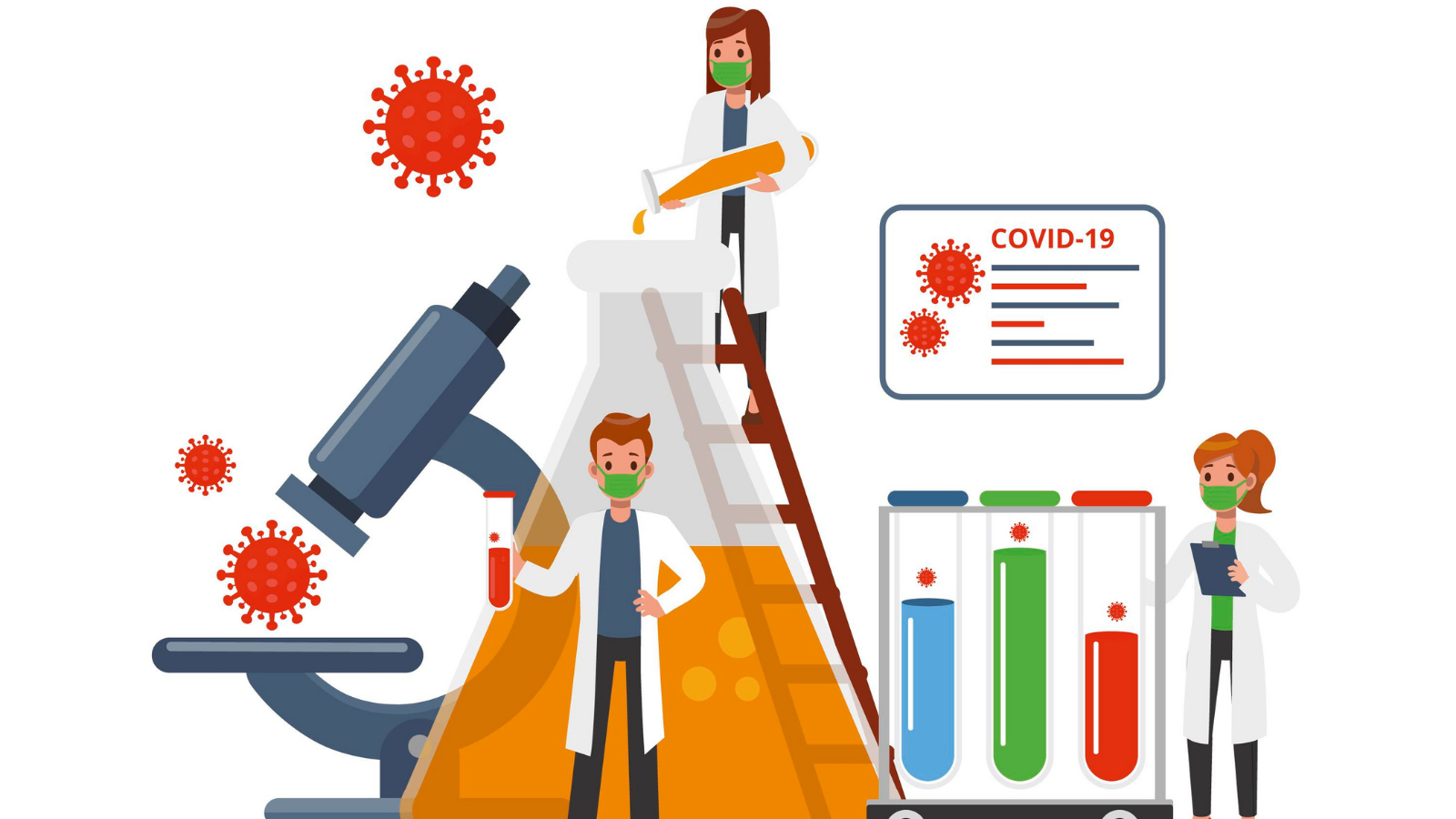
Rapid advancements in diagnostic technology are reshaping how healthcare providers detect infectious diseases, with a focus on speed and accuracy. Traditional methods, such as culture-based testing, often require days to yield results, which can delay treatment and impact patient outcomes. Researchers like Shanmukha Sreenivas Madras are pioneering new approaches that promise to deliver more timely and reliable results at the point of care.
Madras operates at the intersection of microbiology, molecular biology, and diagnostics. His work addresses the practical challenges faced by clinical laboratories, including stringent deadlines and complex regulatory requirements. Recognizing that conventional testing methods are not optimized for rapid responses, he has explored innovative solutions to enhance diagnostic accuracy and efficiency.
One significant aspect of Madras’s research involves adjusting laboratory conditions to better support the growth of specific microorganisms. For example, he discovered that Mycobacterium genavense, a challenging pathogen, thrives in lower oxygen environments, contrary to standard practices that favor oxygen-rich settings. His team’s findings indicate that modifying oxygen levels can increase the success rates of cultures and speed up the development of new tests.
Multiplex Testing: A Game Changer for Clinicians
In addition to improving culture methods, Madras has contributed to the development of multiplex quantitative PCR (qPCR) assays. These advanced tests enable the simultaneous detection of multiple pathogens and resistance genes within a single test run, which is crucial for effective treatment decisions, particularly in the context of rising antibiotic resistance. Data from these assays demonstrate their effectiveness in identifying the correct targets under controlled conditions, allowing healthcare professionals to make informed decisions quickly.
Madras emphasizes that the scientific advancements in diagnostics must be complemented by rigorous quality management. As testing moves closer to patients, maintaining compliance with standards such as ISO and QSR becomes increasingly complex. He has developed documentation and workflow systems that facilitate regulatory compliance while streamlining validation processes. Reports indicate that these frameworks can accelerate validation times without compromising adherence to regulatory requirements.
Impact Beyond Hospitals: Bridging Gaps in Diagnostics
The implications of Madras’s work extend beyond hospital settings into the realms of biotechnology and pharmaceutical research. Improved culture techniques and multiplex assays are instrumental in developing new diagnostic tests, producing reagents, and monitoring resistance patterns. In drug development, rapid profiling tools enable researchers to track resistance trends throughout clinical trials, allowing pharmaceutical companies to respond proactively to emerging challenges.
Madras is driven by a commitment to bridge the gap between laboratory innovations and practical applications in clinical settings. His focus on creating diagnostic tools that are not only effective but also user-friendly highlights the importance of delivering reliable results wherever patients seek care. Colleagues often commend his pragmatic approach, which balances speed, accuracy, and regulatory compliance.
As new infectious diseases continue to emerge, the demand for faster and more effective diagnostic solutions remains critical. Research initiatives like Madras’s play a vital role in shaping the future of diagnostic systems, aiming to provide quicker, dependable results for patients around the globe. The overarching goal is clear: enhance patient care through innovative diagnostics that address real-world challenges.

Morris Churches Unite for Annual Good Friday Walk With the Cross

Chloe Zhao’s ‘Buffy’ Reboot Cancelled: Sarah Michelle Gellar Speaks Out

Essential Ingredients for Life Found in Ryugu Asteroid Samples

Urgent Rescue: NSR Airlifts Injured Climber from Nanaimo

Riverside Heart Ball Achieves Record $815,000 for Mental Health

Cognizant Launches AI Factory to Enhance Enterprise AI Scalability

Samsung’s Galaxy Watch 9 to Feature Larger Battery Than Before

Toronto’s AIDS Memorial Faces Potential Redesign Amid Community Concerns

Bayern Munich Loses Luis Díaz Red Card Appeal Despite Referee’s Admission

Secwepemc First Nation Seeks Aboriginal Title Over Kamloops Area

Fatal Crash on Highway 11 Claims Three Lives, Major Closure Ongoing

Manitoba’s Burger Champion Shines Again Amid Dining Innovations

Canadian Curler E.J. Harnden Announces Retirement from Competition

Urgent Fire Erupts at Salvation Army on Christmas Evening

Scientists Unearth Ancient Antarctic Ice to Unlock Climate Secrets

Minister Faces Scrutiny Over Delayed Foreign Interference Watchdog Appointment

Trump and McCormick to Announce $70 Billion Energy Investments

Monika Hibbs Unveils Acres Market & Interiors in Major Rebrand
-
 Politics5 months ago
Secwepemc First Nation Seeks Aboriginal Title Over Kamloops Area
-
 Top Stories4 months ago
Fatal Crash on Highway 11 Claims Three Lives, Major Closure Ongoing
-
 Lifestyle7 months ago
Manitoba’s Burger Champion Shines Again Amid Dining Innovations
-
 Sports3 months ago
Canadian Curler E.J. Harnden Announces Retirement from Competition
-
 Top Stories4 months ago
Urgent Fire Erupts at Salvation Army on Christmas Evening
-
 World9 months ago
Scientists Unearth Ancient Antarctic Ice to Unlock Climate Secrets
-
 World5 months ago
Minister Faces Scrutiny Over Delayed Foreign Interference Watchdog Appointment
-
 Entertainment9 months ago
Trump and McCormick to Announce $70 Billion Energy Investments
-
 Lifestyle9 months ago
Monika Hibbs Unveils Acres Market & Interiors in Major Rebrand
-

 Science9 months ago
Four Astronauts Return to Earth After International Space Station Mission
-

 Lifestyle9 months ago
TransLink Launches Food Truck Program to Boost Revenue in Vancouver
-

 World1 month ago
Ranchman’s Cookhouse & Dancehall to Relocate by Early 2027