
Science
UBC Enzyme Breakthrough Advances Universal Organ Transplant Trials

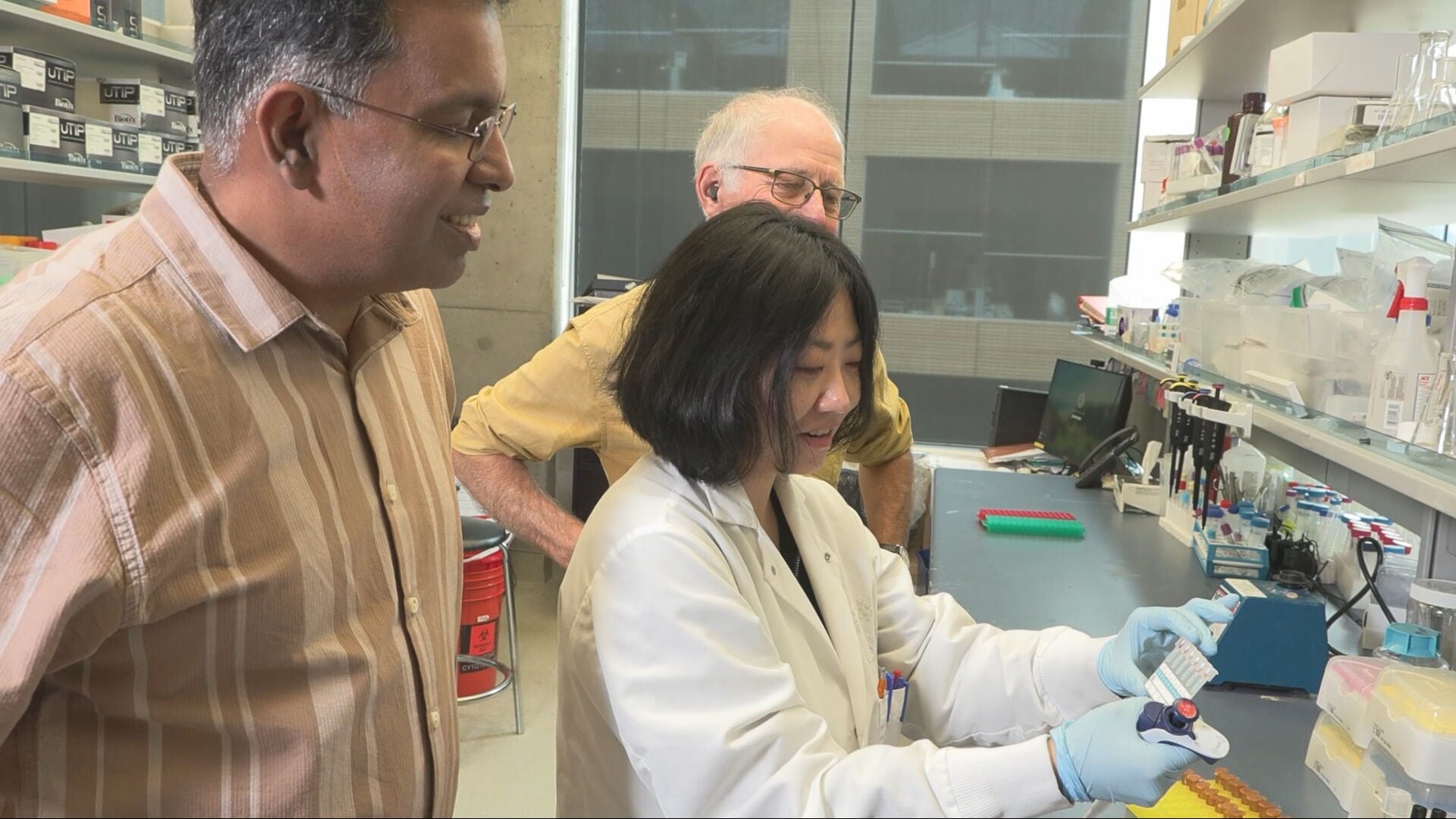
A groundbreaking enzyme technology developed at the University of British Columbia (UBC) has successfully completed its first human trial, bringing hope for a universal solution to organ transplants. The clinical trial, which involved 30 patients, aims to address the critical shortage of available organs for transplantation, a challenge faced by thousands across North America.
This innovative approach utilizes a specially formulated enzyme to modify donor organs, enhancing their compatibility and reducing the risk of rejection by the recipient’s immune system. The initial results from the trial, conducted in 2023, suggest promising outcomes, with participants reporting minimal adverse effects.
Trial Details and Future Implications
The trial was overseen by Dr. Jennifer Lee, a leading researcher in transplant medicine at UBC. According to Dr. Lee, the enzyme technology represents a significant advancement in transplant procedures. “If further trials confirm these results, we could see a transformative change in how organ transplants are conducted,” she stated.
The research was supported by Health Canada, which provided oversight for the clinical trial process. The aim is to eventually expand the technology’s application to various organ types, potentially alleviating the pressure on transplant waiting lists. Currently, thousands of patients in need of organs face long wait times, often leading to serious health complications.
Next Steps in Research and Development
Following the successful completion of the trial, UBC plans to initiate larger scale studies to further evaluate the enzyme’s effectiveness and safety across diverse patient demographics. This next phase will involve collaboration with hospitals and transplant centers throughout Canada and the United States.
The potential impact of this research extends beyond just the medical community; it could transform lives by providing patients with greater access to life-saving organ transplants. “Our hope is to not only improve transplant outcomes but to make these procedures available to more patients,” Dr. Lee added.
As this innovative enzyme technology moves forward, it highlights the ongoing efforts within the medical field to address the pressing issues surrounding organ donation and transplantation. With further trials on the horizon, the results may pave the way for a new standard in transplant medicine, ultimately saving countless lives.











Dave Chappelle Heckled During Edmonton Debut, Apology Song Follows

B.C. Chiefs Condemn Minister Over Pipeline Deal Amid Controversy

Bloc Threatens Political Consequences Over Hate Speech Bill

Kids Celebrate Winter Fun as Gander Receives 33 cm of Snow

Victoria Council Halts Centennial Square Project, Redirects $2 Million

Edmontonians Face AI Surveillance as Police Trial Bodycams

Chicago Bears Face Key Absences in Thursday Practice Session

British Columbia Plans New 465-Seat Francophone School in Saanich

Sun Country Airlines Launches New Base at CVG for Cargo Growth

Secwepemc First Nation Seeks Aboriginal Title Over Kamloops Area

Scientists Unearth Ancient Antarctic Ice to Unlock Climate Secrets

Trump and McCormick to Announce $70 Billion Energy Investments

Four Astronauts Return to Earth After International Space Station Mission

TransLink Launches Food Truck Program to Boost Revenue in Vancouver

Apple Notes Enhances Functionality with Markdown Support in macOS 26

Manitoba’s Burger Champion Shines Again Amid Dining Innovations

Urgent Update: Fatal Crash on Highway 99 Claims Life of Pitt Meadows Man

Ukrainian Tennis Star Elina Svitolina Faces Death Threats Online
-
 Politics4 weeks ago
Secwepemc First Nation Seeks Aboriginal Title Over Kamloops Area
-
 World5 months ago
Scientists Unearth Ancient Antarctic Ice to Unlock Climate Secrets
-
 Entertainment5 months ago
Trump and McCormick to Announce $70 Billion Energy Investments
-
 Science5 months ago
Four Astronauts Return to Earth After International Space Station Mission
-
 Lifestyle5 months ago
TransLink Launches Food Truck Program to Boost Revenue in Vancouver
-
 Technology3 months ago
Apple Notes Enhances Functionality with Markdown Support in macOS 26
-
 Lifestyle3 months ago
Manitoba’s Burger Champion Shines Again Amid Dining Innovations
-
 Top Stories2 months ago
Urgent Update: Fatal Crash on Highway 99 Claims Life of Pitt Meadows Man
-
 Politics4 months ago
Ukrainian Tennis Star Elina Svitolina Faces Death Threats Online
-

 Sports5 months ago
Search Underway for Missing Hunter Amid Hokkaido Bear Emergency
-

 Politics5 months ago
Carney Engages First Nations Leaders at Development Law Summit
-

 Technology5 months ago
Frosthaven Launches Early Access on July 31, 2025