
Science
UBC’s Enzyme Technology Achieves Breakthrough in Transplant Trials

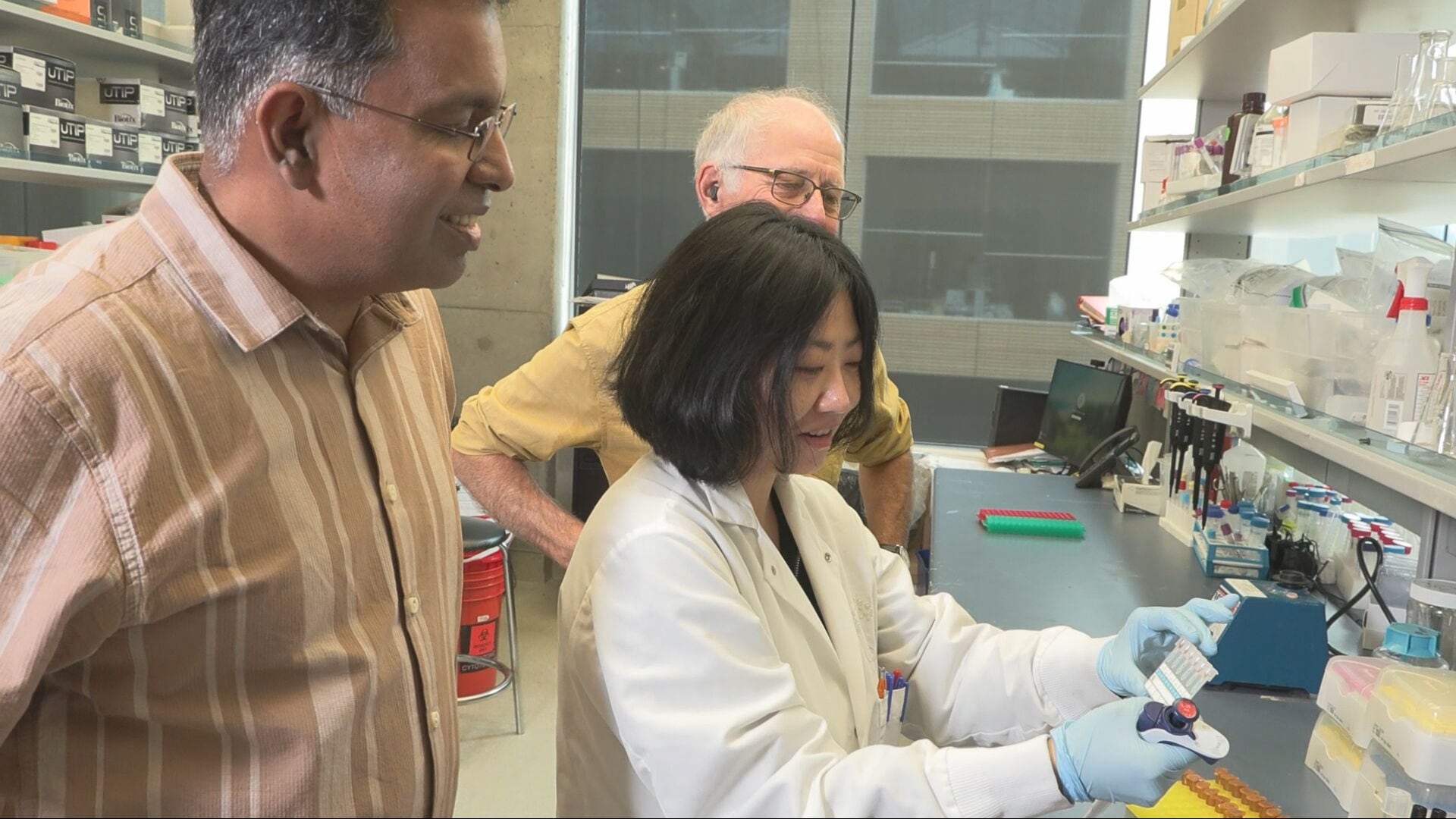
A pioneering enzyme technology developed at the University of British Columbia (UBC) has successfully completed its first human trial, marking a significant milestone in the field of organ transplantation. This groundbreaking advancement could potentially benefit thousands of transplant patients across North America, offering a new avenue for those awaiting vital organ transplants.
Trial Results and Implications
The human trial, which commenced in early 2024, aimed to assess the safety and efficacy of this innovative enzyme technology in enhancing organ compatibility. Researchers at UBC reported that the results were promising, indicating that the technology successfully reduces the risk of organ rejection, a common complication faced by transplant recipients.
According to the lead investigator, Dr. Emily Chen, Associate Professor at UBC’s Faculty of Medicine, the enzyme technology works by modifying the surface of donor organs, making them more compatible with the recipient’s immune system. “This could revolutionize the way we approach organ transplants,” Dr. Chen stated. “It opens up possibilities for universal organ transplants, where compatibility is no longer a barrier.”
The trial included a diverse group of participants, with over 100 individuals involved in the initial phase. The outcomes suggest that the technology is not only safe but also effective in minimizing adverse reactions. This is a critical development given the increasing demand for organ transplants, which often outpaces the availability of suitable donors.
Next Steps and Regulatory Approval
As the trial progresses, researchers are preparing to submit their findings to Health Canada for further evaluation and potential regulatory approval. If successful, this enzyme technology could enter the market within the next few years, providing a viable option for patients with limited transplant choices.
The implications of this technology extend beyond individual patients. It could significantly alleviate the pressure on transplant waiting lists, which currently number in the thousands across Canada and the United States. In 2022 alone, over 40,000 organ transplants were performed in the U.S., yet thousands of patients remain on waiting lists, highlighting the urgent need for innovative solutions.
UBC’s research team is optimistic about the future. They plan to conduct larger trials to further validate the initial findings and explore the technology’s application across various organ types, including kidneys, livers, and hearts. The goal is to expand the scope of organ transplants, making them accessible to a broader range of patients.
This breakthrough not only represents a significant advance in medical science but also addresses a pressing public health issue. As researchers continue their work, the hope is that this enzyme technology will pave the way for a new era in organ transplantation, ultimately saving countless lives.













Urgent: University of King’s College Faces $1.8M Deficit Crisis

Flex Secures $60 Million to Transform Finance for Mid-Sized Businesses

Corona Launches New Yule Log Video to Celebrate 35 Years of O’Tannenpalm

Local Cartoonist Captures Current Events with Humor

Scientists Reveal Brain’s Five Eras and a New Dementia Vaccine

Former FDA Leaders Critique New Vaccine Safety Claims by Agency

Dolly Varden Silver Reports High-Grade Gold Intersections

Driverless Transit System Revolutionizes Urban Commuting

Ferry Crossings Cancelled as Severe Cold Hits Atlantic Canada

Secwepemc First Nation Seeks Aboriginal Title Over Kamloops Area

Scientists Unearth Ancient Antarctic Ice to Unlock Climate Secrets

Trump and McCormick to Announce $70 Billion Energy Investments

Four Astronauts Return to Earth After International Space Station Mission

TransLink Launches Food Truck Program to Boost Revenue in Vancouver

Apple Notes Enhances Functionality with Markdown Support in macOS 26

Manitoba’s Burger Champion Shines Again Amid Dining Innovations

Urgent Update: Fatal Crash on Highway 99 Claims Life of Pitt Meadows Man

Ukrainian Tennis Star Elina Svitolina Faces Death Threats Online
-
 Politics4 weeks ago
Secwepemc First Nation Seeks Aboriginal Title Over Kamloops Area
-
 World5 months ago
Scientists Unearth Ancient Antarctic Ice to Unlock Climate Secrets
-
 Entertainment5 months ago
Trump and McCormick to Announce $70 Billion Energy Investments
-
 Science5 months ago
Four Astronauts Return to Earth After International Space Station Mission
-
 Lifestyle5 months ago
TransLink Launches Food Truck Program to Boost Revenue in Vancouver
-
 Technology3 months ago
Apple Notes Enhances Functionality with Markdown Support in macOS 26
-
 Lifestyle3 months ago
Manitoba’s Burger Champion Shines Again Amid Dining Innovations
-
 Top Stories2 months ago
Urgent Update: Fatal Crash on Highway 99 Claims Life of Pitt Meadows Man
-
 Politics4 months ago
Ukrainian Tennis Star Elina Svitolina Faces Death Threats Online
-

 Sports5 months ago
Search Underway for Missing Hunter Amid Hokkaido Bear Emergency
-

 Politics5 months ago
Carney Engages First Nations Leaders at Development Law Summit
-

 Technology5 months ago
Frosthaven Launches Early Access on July 31, 2025