
Science
Why Open Source Contributions Are Essential in DevOps Partner Selection

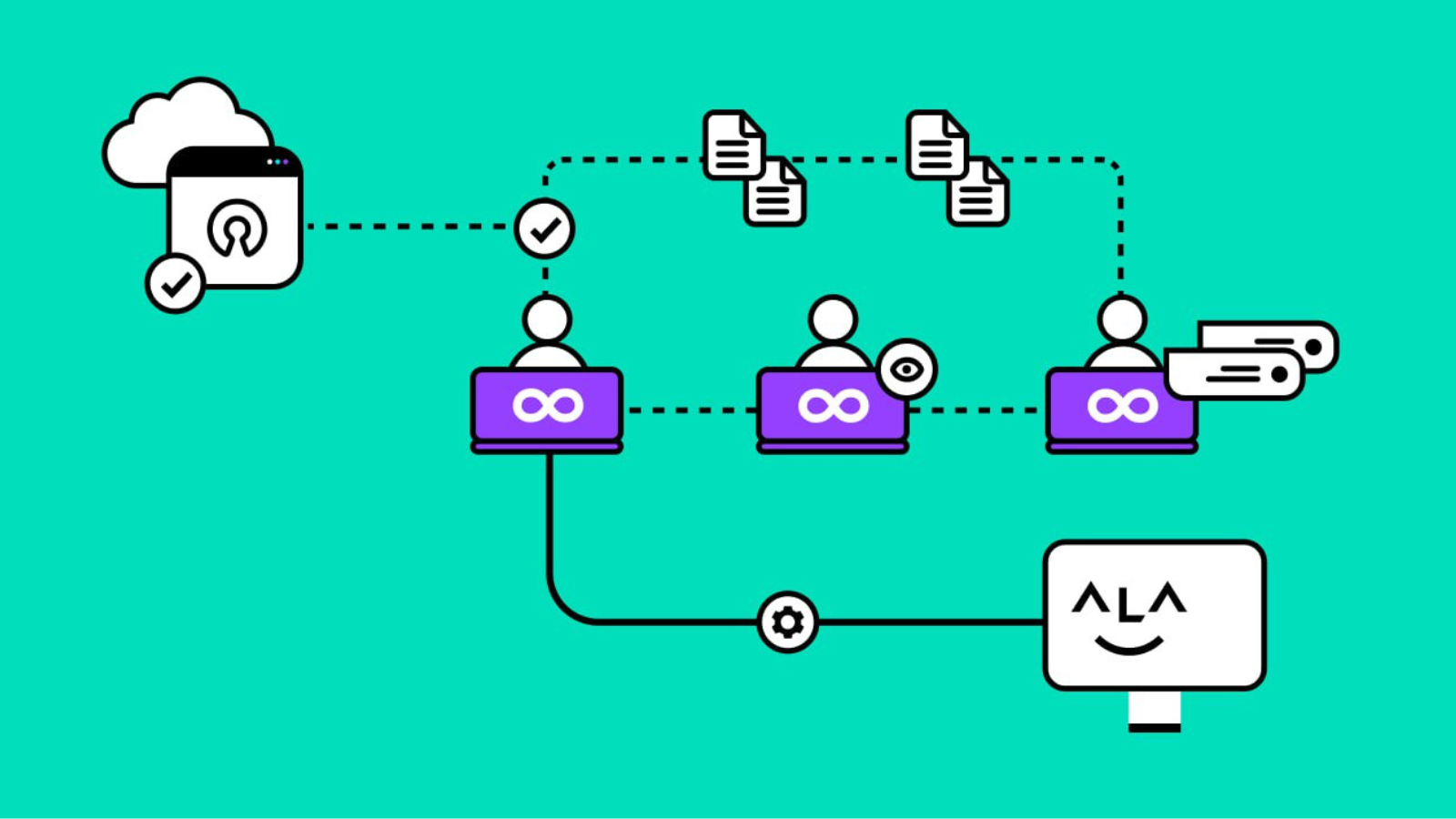
The crowded landscape of the DevOps consulting market presents a challenge for engineering leaders seeking reliable partners. Vendors often claim expertise in Kubernetes, showcasing impressive client logos and successful case studies. However, the disparity in technical capabilities beneath these polished marketing messages can be significant. To navigate this complexity, organizations should consider one crucial metric: meaningful contributions to open source projects.
Open Source Contributions as a Benchmark
Open source contributions offer objective and verifiable evidence of a vendor’s technical depth. Unlike proprietary tools or internal projects, open source work is publicly accessible and subject to community scrutiny. For instance, when a DevOps provider promotes its “Kubernetes expertise,” examining their activity on platforms like GitHub can reveal whether they possess genuine understanding or are merely deploying standard tools.
A team that actively contributes to the Kubernetes core, engages in meaningful commits, and participates in special interest groups demonstrates a profound grasp of the platform. This level of expertise is vital, particularly when systems encounter issues. While superficial knowledge may suffice during routine operations, true expertise becomes critical during unforeseen outages, where a deep understanding can differentiate between quick resolutions and prolonged downtimes.
Evaluating Contributions and Community Engagement
Not all open source contributions are created equal. A realistic evaluation should focus on the nature and consistency of a vendor’s contributions rather than merely counting commits. Meaningful contributions encompass code commits to core repositories, active participation in architectural discussions, and the maintenance of significant operators, indicating a sustained commitment rather than one-off marketing efforts.
Organizations that are members of the Cloud Native Computing Foundation (CNCF) often exemplify this commitment. Companies that rank among the top contributors to Kubernetes, such as Palark, have invested years in developing their expertise, which ultimately benefits their clients. According to CNCF DevStats, Palark’s status as a Top 100 Kubernetes contributor reflects this ongoing technical involvement.
Additionally, community engagement extends beyond code contributions. Technical blog posts that provide valuable insights signal a company’s willingness to share knowledge. Participation in conferences and working groups further demonstrates recognition by peers, affirming the vendor’s technical credibility.
Open source contributions foster accountability. Technical advice published under a company’s name is subject to public scrutiny, ensuring that organizations maintain accuracy and usefulness in their guidance.
The advantages of partnering with contributors are manifold. When teams understand systems at the code level, root cause diagnoses improve significantly. This proficiency is particularly beneficial when troubleshooting complex production issues that arise from interactions between multiple components.
Moreover, architectural guidance becomes more intuitive when partners possess intimate familiarity with platform capabilities and limitations. This foresight allows teams to make well-informed design decisions, minimizing the need for painful refactoring as platforms evolve.
Engaging with open source projects also enables organizations to contribute enhancements directly to the technologies that power their infrastructure. This collaborative approach not only reduces long-term maintenance burdens but also benefits the broader community.
As organizations navigate their DevOps choices, evaluating potential partners based on their open source involvement is essential. A thorough examination of contribution patterns and community presence can uncover deeper insights than superficial checks.
Identifying vendors with sustained involvement over years is critical. Look for meaningful technical contributions rather than a focus on documentation and marketing efforts. Furthermore, ensuring that recognized technical leaders within the provider actively participate in project communities under their own names can provide additional confidence.
Ultimately, the goal is not to find partners who contribute to every open source project; rather, it is about identifying those whose public technical work reflects the depth of expertise they claim. In an industry where marketing often overshadows reality, open source contribution history offers invaluable objective evidence of a vendor’s capabilities.
Organizations seeking to select a DevOps partner would benefit significantly by prioritizing open source contributions in their evaluation process, rather than treating it as an afterthought.





Gas Station Canopy Collapses Under Snow in Cary, No Injuries Reported

Lethbridge City Council Votes to Close Overdose Prevention Site

Community Rallies for Indigenous Christmas Hamper Program

Carl Moon Runefelt: Transforming Mindset into Extraordinary Achievements

Why Open Source Contributions Are Essential in DevOps Partner Selection

Saskatchewan Expands Health Recruitment Incentive to 3 More Communities

Campbell’s Q1 Earnings Surge Boosts Stock Amid Home Cooking Trends

Major Discounts Available on MacBook Air: Prices Start at $999

Urgent: Harry Dennis Backlin Passes Away at 96, Leaving Legacy

Secwepemc First Nation Seeks Aboriginal Title Over Kamloops Area

Scientists Unearth Ancient Antarctic Ice to Unlock Climate Secrets

Trump and McCormick to Announce $70 Billion Energy Investments

Four Astronauts Return to Earth After International Space Station Mission

TransLink Launches Food Truck Program to Boost Revenue in Vancouver

Apple Notes Enhances Functionality with Markdown Support in macOS 26

Manitoba’s Burger Champion Shines Again Amid Dining Innovations

Urgent Update: Fatal Crash on Highway 99 Claims Life of Pitt Meadows Man

Homemade Houseboat ‘Neverlanding’ Captivates Lake Huron Voyagers
-
 Politics1 month ago
Secwepemc First Nation Seeks Aboriginal Title Over Kamloops Area
-
 World5 months ago
Scientists Unearth Ancient Antarctic Ice to Unlock Climate Secrets
-
 Entertainment5 months ago
Trump and McCormick to Announce $70 Billion Energy Investments
-
 Science5 months ago
Four Astronauts Return to Earth After International Space Station Mission
-
 Lifestyle5 months ago
TransLink Launches Food Truck Program to Boost Revenue in Vancouver
-
 Technology3 months ago
Apple Notes Enhances Functionality with Markdown Support in macOS 26
-
 Lifestyle3 months ago
Manitoba’s Burger Champion Shines Again Amid Dining Innovations
-
 Top Stories2 months ago
Urgent Update: Fatal Crash on Highway 99 Claims Life of Pitt Meadows Man
-
 Top Stories2 weeks ago
Homemade Houseboat ‘Neverlanding’ Captivates Lake Huron Voyagers
-

 Politics4 months ago
Ukrainian Tennis Star Elina Svitolina Faces Death Threats Online
-

 Sports5 months ago
Search Underway for Missing Hunter Amid Hokkaido Bear Emergency
-

 Politics5 months ago
Carney Engages First Nations Leaders at Development Law Summit