
Sports
Chelsea Appoints Liam Rosenior as New Head Coach, Shifting Dynamics

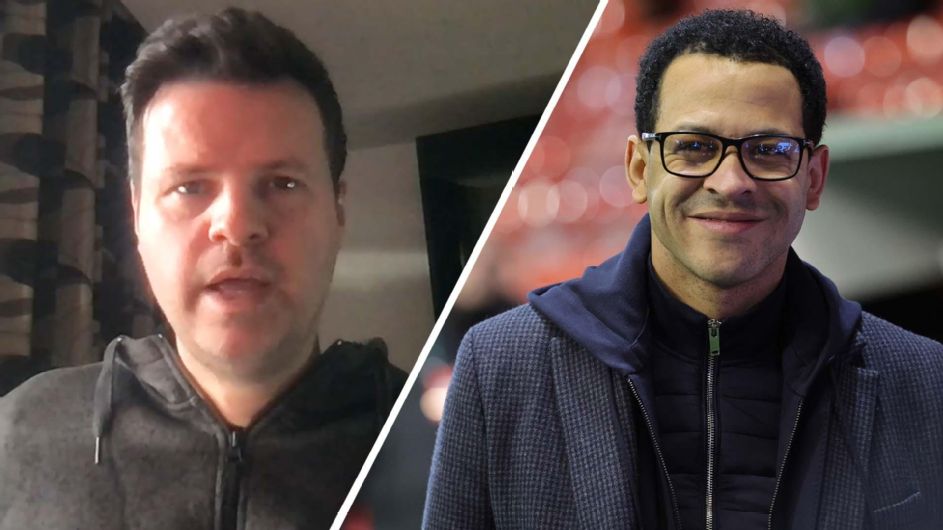
Chelsea FC has announced the appointment of Liam Rosenior as its new head coach following the abrupt departure of Enzo Maresca on New Year’s Day. This marks a significant moment for the club, as Rosenior becomes the sixth manager under the ownership of BlueCo, a consortium led by Todd Boehly, since its takeover in May 2022. This decision reflects a shift in strategy, as Rosenior previously managed Chelsea’s partner club, Strasbourg, in France’s Ligue 1.
Unlike traditional managerial appointments, Rosenior’s transition represents a new approach to talent management within football. This model parallels practices seen in Major League Baseball, where teams often promote from within their network. While it is common for players to move between affiliated clubs, managerial transfers of this nature are relatively rare at the elite level.
A New Blueprint in Football Management
The concept of multi-club organizations (MCOs) is gaining traction in football, with over 100 such structures currently in existence. Notably, at least 23 of these MCOs connect three or more clubs. City Football Group, which oversees Manchester City, exemplifies this trend with a portfolio of 12 clubs across five continents. The Red Bull organization has also effectively implemented pathways for player development by moving athletes through its clubs, such as from FC Liefering to RB Salzburg and then to RB Leipzig. This model has produced successful players, including Dominik Szoboszlai and Dayot Upamecano.
Chelsea has increasingly utilized Strasbourg as a “farm team.” Currently, three players from Chelsea—Mike Penders, Kendry Páez, and Mamadou Sarr—are on loan at the Ligue 1 club. Additionally, Andrey Santos, who spent last season at Strasbourg, will now reunite with Rosenior at Chelsea. Furthermore, Emmanuel Emegha, a 22-year-old striker from the Netherlands, is set to join Chelsea this summer.
Despite the prevalence of player movement, managerial transitions within these networks remain uncommon. The Red Bull organization stands out as a leader in promoting coaches through its system, successfully advancing figures such as Marco Rose and Jesse Marsch. In contrast, examples from other clubs are limited, with few managers making similar moves.
Rosenior’s Role and Future Implications
Marsch, who currently manages the Canadian national team, highlighted the advantages of a multi-club structure. He emphasized that such organizations not only cultivate players but also develop coaches and support staff essential for maintaining a club’s identity. “When Todd Boehly bought the club, he must have interviewed just about every person I know in Red Bull about their processes,” Marsch stated. He believes that understanding how coaches manage stress and responsibility is crucial, particularly in the high-pressure environment of the Premier League.
While Rosenior’s hiring raises questions about the feasibility of operating a multi-club system, Marsch cautions that significant challenges lie ahead. The inherent inefficiencies in football, combined with a tendency for clubs to hire and fire managers without a long-term strategy, complicate the establishment of a cohesive approach. “This is football; emotion often dictates decisions more than rationale,” he explained.
As Chelsea swiftly appointed Gary O’Neil as the new manager of Strasbourg, speculation arises about his potential candidacy for Chelsea in the future. The landscape of managerial appointments is evolving as clubs explore new avenues for talent development and succession planning.
Fan reactions to Rosenior’s move have been mixed, with supporters of Strasbourg expressing their disappointment. The club’s supporters’ federation labeled the appointment as “another humiliating step in Racing’s subservience to Chelsea.” Such sentiments reflect a broader concern over the impact of MCOs on local clubs and their identities.
In conclusion, Chelsea’s decision to hire Rosenior highlights a significant shift in managerial recruitment strategies within football. As clubs increasingly adopt multi-club models, the implications for player and coach development will continue to unfold, shaping the future of the sport.













Designers Harness Lunar Inspiration for Timeless Product Creations

Bad Bunny to Headline Super Bowl Halftime Show: A Remarkable Rise

Winnipeg Students Master Bike Repair in Innovative Program

Klaebo Claims Sixth Gold at Milan Cortina Olympics Skiathlon

NFL Stars Elevate Travel with Lavish Private Jets

Seniors Debate Old Age Security Payments Amid Financial Concerns

Colm Feore Voices Multiple Characters in Oscar-Nominated Short

Don Monahan Launches Urgent PC Leadership Bid in New Brunswick

Chef Jason Sawision Triumphs with Bronze at Canadian Culinary Championship

Secwepemc First Nation Seeks Aboriginal Title Over Kamloops Area

Scientists Unearth Ancient Antarctic Ice to Unlock Climate Secrets

Urgent Fire Erupts at Salvation Army on Christmas Evening

Canadian Curler E.J. Harnden Announces Retirement from Competition

Manitoba’s Burger Champion Shines Again Amid Dining Innovations

Fatal Crash on Highway 11 Claims Three Lives, Major Closure Ongoing

Trump and McCormick to Announce $70 Billion Energy Investments

Four Astronauts Return to Earth After International Space Station Mission

TransLink Launches Food Truck Program to Boost Revenue in Vancouver
-
 Politics3 months ago
Secwepemc First Nation Seeks Aboriginal Title Over Kamloops Area
-
 World7 months ago
Scientists Unearth Ancient Antarctic Ice to Unlock Climate Secrets
-
 Top Stories1 month ago
Urgent Fire Erupts at Salvation Army on Christmas Evening
-
 Sports1 month ago
Canadian Curler E.J. Harnden Announces Retirement from Competition
-
 Lifestyle5 months ago
Manitoba’s Burger Champion Shines Again Amid Dining Innovations
-
 Top Stories2 months ago
Fatal Crash on Highway 11 Claims Three Lives, Major Closure Ongoing
-
 Entertainment7 months ago
Trump and McCormick to Announce $70 Billion Energy Investments
-
 Science7 months ago
Four Astronauts Return to Earth After International Space Station Mission
-
 Lifestyle7 months ago
TransLink Launches Food Truck Program to Boost Revenue in Vancouver
-

 Technology5 months ago
Apple Notes Enhances Functionality with Markdown Support in macOS 26
-

 Top Stories1 month ago
Blue Jays Sign Kazuma Okamoto: Impact on Bo Bichette’s Future
-

 Top Stories2 months ago
NHL Teams Inquire About Marc-André Fleury’s Potential Return