
Sports
Gen Z Redefines Relationships: Is “Partner” the New “Boyfriend”?

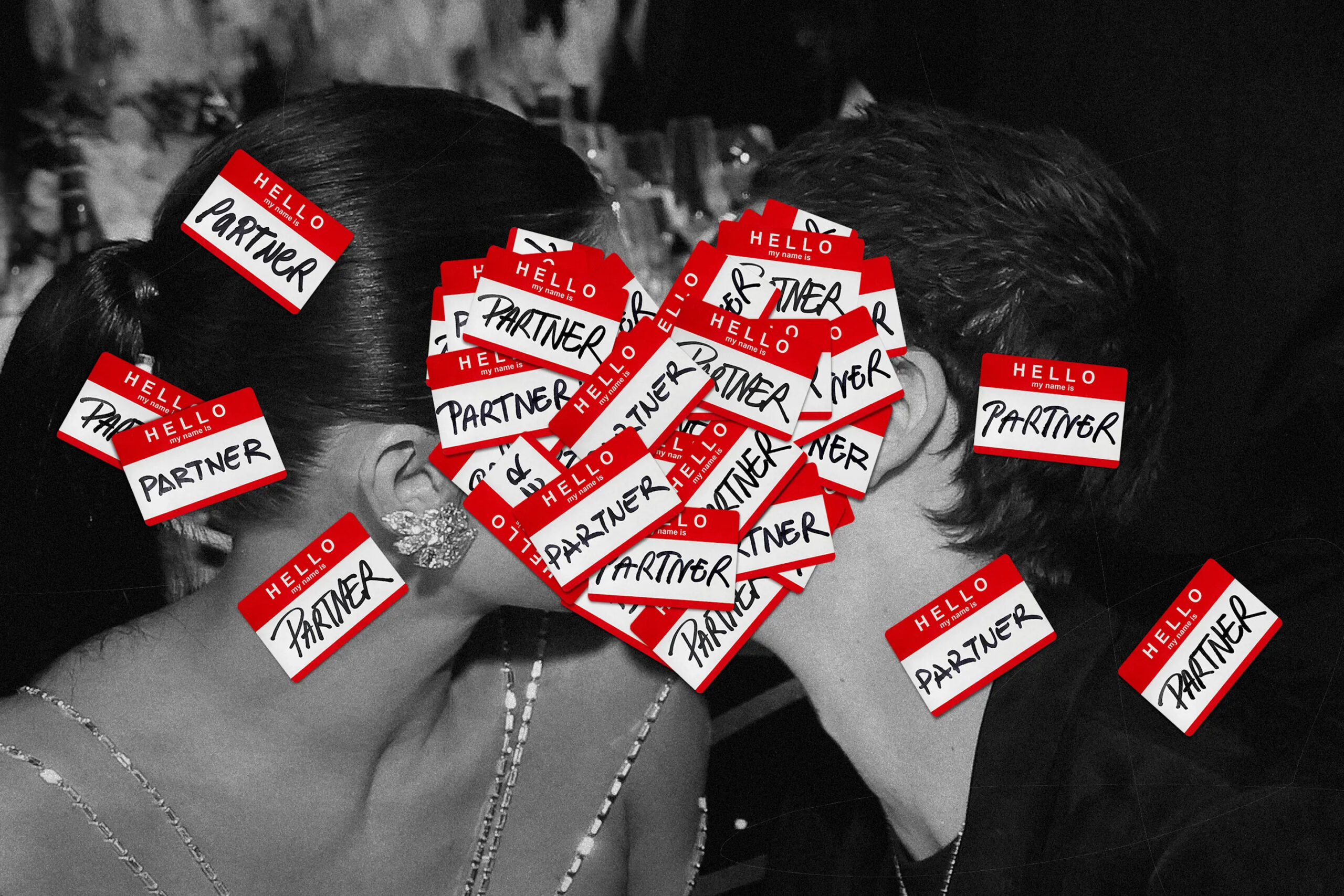
The term “partner” is gaining traction among younger generations as a preferred label for significant others, sparking discussions about relationship identities. Many in Generation Z and younger millennials are moving away from traditional labels like “boyfriend” and “girlfriend,” instead opting for “partner” to emphasize equality and shared responsibility in their relationships.
Brittany, a 28-year-old in a committed relationship for five years, reflects on her past reluctance to label her boyfriend publicly. She often referred to him as her “roommate” when speaking with acquaintances. “I always hated it when people centered their personality around having a significant other,” she explained, revealing her discomfort with the term “boyfriend.” This sentiment is echoed by many in her generation, who seek to define themselves beyond their romantic relationships.
Last fall, writer Chanté Joseph captured this sentiment in a viral essay for Vogue titled “Is Having a Boyfriend Embarrassing Now?” In her piece, Joseph noted, “Being partnered doesn’t affirm your womanhood anymore. If anything, it’s become more of a flex to pronounce yourself single.” The essay resonated with a growing number of individuals who resist defining their identities through their relationships.
In the United Kingdom, the term “partner” has long been a common descriptor for serious relationships, encompassing dating, engagement, or marriage. In the United States, however, it has mainly been associated with LGBTQ communities. This shift towards broader usage has sparked both debate and humor. Comedian Dan Rosen humorously critiques those who adopt the term in a TikTok video, suggesting it signifies a kind of performative progressiveness.
The transition to using “partner” raises questions about its implications. Sable Yong, author of *Die Hot With a Vengeance*, points out that the term can sometimes feel loaded. “Because ‘partner’ has long been used in queer communities, it can come across as straight couples borrowing language to signal how progressive they are,” she noted. This perception highlights the complexities surrounding the language of relationships.
Historically, relationship titles have been steeped in gender. For instance, as early as 1765, legal scholar William Blackstone noted that a married woman’s legal identity was subsumed into her husband’s. The terms “wife” and “husband” carry centuries of hierarchical connotations. “Partner,” on the other hand, is devoid of gender implications, which appeals to many. Luca, a 27-year-old, explained, “Calling her my girlfriend feels cringe because she’s a woman, not a girl.” This perspective underscores a desire for equal representation in relationship dynamics.
Despite the appeal of the term, some heterosexual couples express hesitation about using it. A 2024 survey conducted by the Public Religion Research Institute revealed that 28% of Gen Z adults identify as LGBTQ, a significant increase compared to older generations. Many young people are conscientious about language and its implications. Brittany noted that some friends worry about appropriating queer culture by using the term “partner.”
Originally, “partner” served as a discreet way for LGBTQ individuals to refer to their significant others without disclosing their sexual orientation in public or workplace settings. For Sydney, 28, the term has been a vital part of their identity for a decade. “It was almost a silent nod to the other gay folks in our lives that we were safe without having to say the hard part out loud,” they explained.
The deeper meaning associated with “partner”—implying shared responsibility and direction—adds to its appeal. However, Yong cautions that the term can be misused. She often encounters couples who complain about their so-called partners, prompting her to question the authenticity of their relationships. “Is that really your partner if you can’t work this out with them?” she asked, emphasizing the standards she believes should accompany the label.
Brittany has since reconciled her thoughts on relationship labels. She now freely refers to her boyfriend as her “partner” or “boyfriend” without overthinking it. “In retrospect, that was such a lame and judgmental way to think about it,” she said, acknowledging her previous discomfort.
Ultimately, the choice of label reflects individual comfort rather than strict political statements. For some, the term “boyfriend” may feel juvenile, while others find “partner” too formal or calculated. As relationships evolve and cultural perceptions shift, the terminology may change accordingly.
Nevertheless, there are boundaries to these labels. Yong expressed her distaste for terms like “hubby” and the phrase “the wife,” considering them disrespectful. Brittany echoed this sentiment, stating, “I would literally rather die than publicly call my boyfriend ‘my lover.’”
As the conversation around relationship identities continues to unfold, it remains clear that language plays a vital role in how individuals perceive their connections with one another.











Morris Churches Unite for Annual Good Friday Walk With the Cross

Chloe Zhao’s ‘Buffy’ Reboot Cancelled: Sarah Michelle Gellar Speaks Out

Essential Ingredients for Life Found in Ryugu Asteroid Samples

Urgent Rescue: NSR Airlifts Injured Climber from Nanaimo

Riverside Heart Ball Achieves Record $815,000 for Mental Health

Cognizant Launches AI Factory to Enhance Enterprise AI Scalability

Samsung’s Galaxy Watch 9 to Feature Larger Battery Than Before

Toronto’s AIDS Memorial Faces Potential Redesign Amid Community Concerns

Bayern Munich Loses Luis Díaz Red Card Appeal Despite Referee’s Admission

Secwepemc First Nation Seeks Aboriginal Title Over Kamloops Area

Fatal Crash on Highway 11 Claims Three Lives, Major Closure Ongoing

Manitoba’s Burger Champion Shines Again Amid Dining Innovations

Canadian Curler E.J. Harnden Announces Retirement from Competition

Urgent Fire Erupts at Salvation Army on Christmas Evening

Scientists Unearth Ancient Antarctic Ice to Unlock Climate Secrets

Minister Faces Scrutiny Over Delayed Foreign Interference Watchdog Appointment

Trump and McCormick to Announce $70 Billion Energy Investments

Monika Hibbs Unveils Acres Market & Interiors in Major Rebrand
-
 Politics5 months ago
Secwepemc First Nation Seeks Aboriginal Title Over Kamloops Area
-
 Top Stories4 months ago
Fatal Crash on Highway 11 Claims Three Lives, Major Closure Ongoing
-
 Lifestyle7 months ago
Manitoba’s Burger Champion Shines Again Amid Dining Innovations
-
 Sports4 months ago
Canadian Curler E.J. Harnden Announces Retirement from Competition
-
 Top Stories4 months ago
Urgent Fire Erupts at Salvation Army on Christmas Evening
-
 World9 months ago
Scientists Unearth Ancient Antarctic Ice to Unlock Climate Secrets
-
 World5 months ago
Minister Faces Scrutiny Over Delayed Foreign Interference Watchdog Appointment
-
 Entertainment9 months ago
Trump and McCormick to Announce $70 Billion Energy Investments
-
 Lifestyle9 months ago
Monika Hibbs Unveils Acres Market & Interiors in Major Rebrand
-

 Science9 months ago
Four Astronauts Return to Earth After International Space Station Mission
-

 Lifestyle9 months ago
TransLink Launches Food Truck Program to Boost Revenue in Vancouver
-

 World2 months ago
Ranchman’s Cookhouse & Dancehall to Relocate by Early 2027