
Sports
Manchester United Parts Ways with Ruben Amorim After Disappointing Tenure

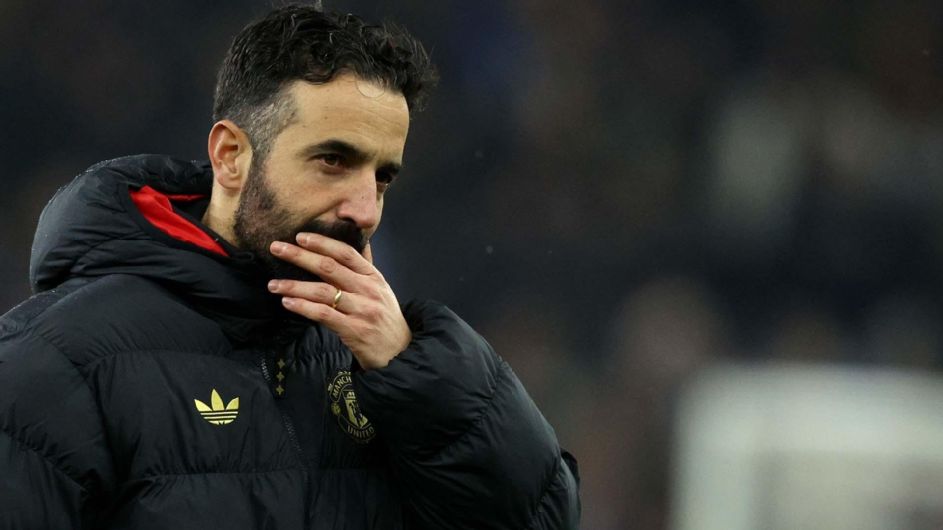
Manchester United has sacked manager Ruben Amorim after a tumultuous 14-month tenure, characterized by tactical struggles, player dissatisfaction, and frustrating transfer dealings. The decision, announced on January 8, 2025, followed a disappointing record of just 24 wins in 63 matches, yielding a win percentage of only 31.9%—the lowest of any permanent manager since Sir Alex Ferguson’s departure in 2013.
Amorim, who took charge in February 2024, was initially supported by Sir Jim Ratcliffe, the club’s minority owner responsible for football operations. Ratcliffe expressed confidence in Amorim’s coaching philosophy, which emphasized a 3-4-3 formation that had previously brought success at Sporting CP. However, doubts lingered about implementing this system and the significant financial investment required to reshape the squad.
Struggles on the Pitch and Off the Field
Despite an optimistic start, Amorim’s time at United quickly deteriorated. Concerns about his tactical acumen grew as the season progressed. Following a 1-1 draw against Leeds United, Amorim publicly criticized club officials and demanded recognition as “manager, not coach.” This outburst marked a turning point, with sources indicating that his relationship with key figures like CEO Omar Berrada and director of football Jason Wilcox had become increasingly strained.
Throughout his tenure, Amorim faced challenges in connecting with players. Initial enthusiasm among the squad waned as his training methods were described as “basic,” with a heavy reliance on tactical walk-throughs that left some players disengaged. There were reports of frustration during training sessions, with Amorim sometimes resorting to physically repositioning players when they failed to align with his vision.
The team’s performance in the Premier League further exacerbated tensions, as Amorim won only 15 of his 47 league matches. His tactical decisions, particularly a conservative approach against weaker opponents, led to growing frustrations within the club. A particularly damaging 1-1 draw against the league’s bottom team was seen as a tipping point for staff members, who began to lose faith in his leadership.
Frustration Over Recruitment and Leadership Style
Recruitment issues plagued Amorim from the outset. Although he was designated as “head coach” rather than “manager,” he frequently expressed a desire to have more input in player acquisitions, contradicting the club’s plans. United invested approximately £130 million in players with Premier League experience, yet there was a disconnect between Amorim’s vision and the club’s recruitment strategy, particularly regarding younger prospects versus established stars.
Amorim’s leadership style also raised eyebrows. Initially hired for his communication skills, he struggled to foster a cohesive team environment. His public comments often landed poorly, such as when he described the team as “maybe the worst” in the club’s history, which alienated players. Additionally, he attempted to create a leadership group within the squad, but his approach often led to a lack of unity rather than the camaraderie he sought.
As the pressure mounted, Amorim’s frustration became evident, culminating in a tense meeting with Wilcox shortly before his dismissal. His emotional response to constructive feedback showcased a growing disconnect between him and the club’s management. With a series of high-profile critiques from former players like Gary Neville and Paul Scholes weighing heavily on him, Amorim’s position became increasingly untenable.
Ultimately, Manchester United now faces the challenge of finding a new manager who can restore stability and success to the club. The search for a successor will likely focus on candidates with a proven track record in the Premier League, as the club aims to rebuild and re-establish itself as a competitive force in English football.













Morris Churches Unite for Annual Good Friday Walk With the Cross

Chloe Zhao’s ‘Buffy’ Reboot Cancelled: Sarah Michelle Gellar Speaks Out

Essential Ingredients for Life Found in Ryugu Asteroid Samples

Urgent Rescue: NSR Airlifts Injured Climber from Nanaimo

Riverside Heart Ball Achieves Record $815,000 for Mental Health

Cognizant Launches AI Factory to Enhance Enterprise AI Scalability

Samsung’s Galaxy Watch 9 to Feature Larger Battery Than Before

Toronto’s AIDS Memorial Faces Potential Redesign Amid Community Concerns

Bayern Munich Loses Luis Díaz Red Card Appeal Despite Referee’s Admission

Secwepemc First Nation Seeks Aboriginal Title Over Kamloops Area

Fatal Crash on Highway 11 Claims Three Lives, Major Closure Ongoing

Manitoba’s Burger Champion Shines Again Amid Dining Innovations

Canadian Curler E.J. Harnden Announces Retirement from Competition

Urgent Fire Erupts at Salvation Army on Christmas Evening

Scientists Unearth Ancient Antarctic Ice to Unlock Climate Secrets

Minister Faces Scrutiny Over Delayed Foreign Interference Watchdog Appointment

Trump and McCormick to Announce $70 Billion Energy Investments

Monika Hibbs Unveils Acres Market & Interiors in Major Rebrand
-
 Politics5 months ago
Secwepemc First Nation Seeks Aboriginal Title Over Kamloops Area
-
 Top Stories4 months ago
Fatal Crash on Highway 11 Claims Three Lives, Major Closure Ongoing
-
 Lifestyle7 months ago
Manitoba’s Burger Champion Shines Again Amid Dining Innovations
-
 Sports3 months ago
Canadian Curler E.J. Harnden Announces Retirement from Competition
-
 Top Stories4 months ago
Urgent Fire Erupts at Salvation Army on Christmas Evening
-
 World9 months ago
Scientists Unearth Ancient Antarctic Ice to Unlock Climate Secrets
-
 World5 months ago
Minister Faces Scrutiny Over Delayed Foreign Interference Watchdog Appointment
-
 Entertainment9 months ago
Trump and McCormick to Announce $70 Billion Energy Investments
-
 Lifestyle9 months ago
Monika Hibbs Unveils Acres Market & Interiors in Major Rebrand
-

 Science9 months ago
Four Astronauts Return to Earth After International Space Station Mission
-

 Lifestyle9 months ago
TransLink Launches Food Truck Program to Boost Revenue in Vancouver
-

 World1 month ago
Ranchman’s Cookhouse & Dancehall to Relocate by Early 2027