
Sports
Nova Scotia Minister Rejects Golf Course Proposal, Open to Other Projects

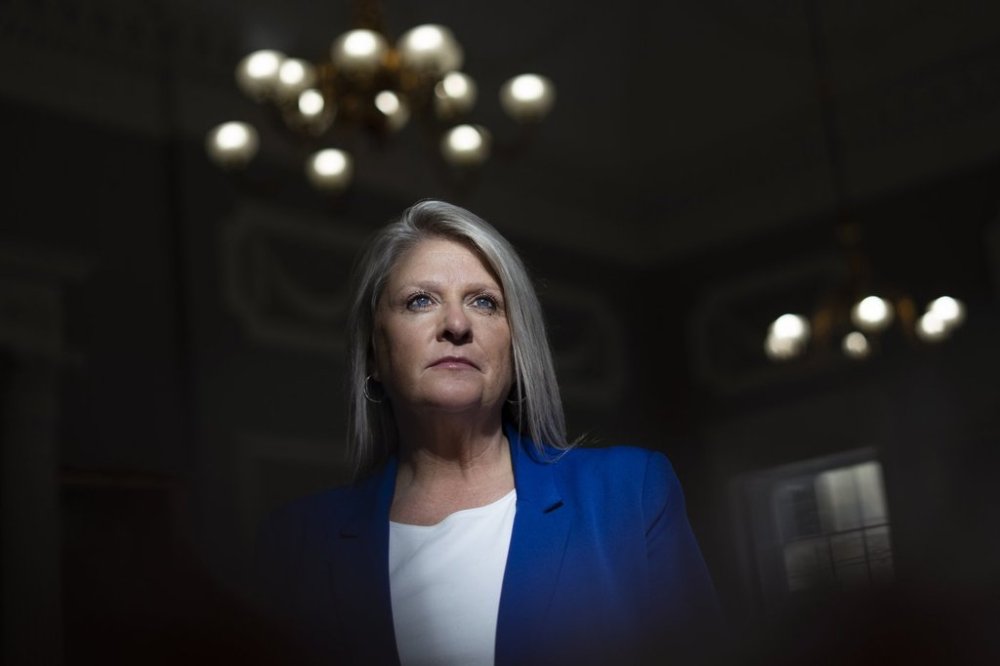
A Nova Scotia minister has firmly stated that she opposes allowing a prominent golf developer to build a course in a provincial park located in Cape Breton. Despite this, Minister of Natural Resources Kim Masland expressed a willingness to discuss other potential projects on protected land. Her comments, made on Thursday, have sparked criticism from the Opposition, who argue that her stance is contradictory.
Masland’s declaration specifically targets Cabot, a Toronto-based company known for developing golf courses internationally. Cabot has made three attempts to establish a golf course on Cape Breton’s West Mabou Beach, but Premier Tim Houston has labeled the proposal as unreasonable, asserting it does not align with the best interests of Nova Scotians.
During a cabinet meeting, Masland reiterated her disinterest in Cabot’s golf course proposal, emphasizing, “I am not interested in it.” Nonetheless, she maintained that a responsible government should be open to discussions regarding various development proposals, including those that involve protected areas. “As a minister, from the very beginning, I have been open to conversations with Nova Scotians,” she stated. “We look at each proposal case by case. Just because you listen to someone doesn’t mean you agree with them.”
This position raises questions about the definition of protected land. When asked if land can still be considered protected if the government is willing to entertain development proposals, Masland responded, “Absolutely. It’s protected, but we can still have conversations. It doesn’t mean that it’s going to change the designation.”
The Nova Scotia environment and climate change website defines a protected area as “a clearly defined geographical space, recognized, dedicated and managed, through legal or other effective means, to achieve the long-term conservation of nature.”
Opposition Leader Claudia Chender criticized Masland’s dual approach, pointing out the inconsistency in shutting down the golf development while keeping other protected areas open to consideration. Chender is calling for legislative changes to strengthen the rules regarding Nova Scotia’s protected lands, asserting, “We need to understand that parks are in fact protected, and we didn’t really get assurance on that.”
Liberal member Derek Mombourquette also voiced concerns, stating that if discussions about development on protected lands are permitted, they cannot be considered genuinely protected. “We protect lands for a reason,” he remarked, highlighting the problematic nature of the government’s willingness to reverse protections.
The government had previously committed in 2021 to protect 20% of Nova Scotia’s land and water by 2030. As of July 2024, the province announced that 13.6% of its land was under protection. On November 5, 2025, it was revealed that an additional 12.7 square kilometres of land across 16 parks and wilderness areas would be designated as protected.
This ongoing debate highlights the complexities surrounding development proposals on protected land, as stakeholders continue to weigh conservation against economic opportunities.











Morris Churches Unite for Annual Good Friday Walk With the Cross

Chloe Zhao’s ‘Buffy’ Reboot Cancelled: Sarah Michelle Gellar Speaks Out

Essential Ingredients for Life Found in Ryugu Asteroid Samples

Urgent Rescue: NSR Airlifts Injured Climber from Nanaimo

Riverside Heart Ball Achieves Record $815,000 for Mental Health

Cognizant Launches AI Factory to Enhance Enterprise AI Scalability

Samsung’s Galaxy Watch 9 to Feature Larger Battery Than Before

Toronto’s AIDS Memorial Faces Potential Redesign Amid Community Concerns

Bayern Munich Loses Luis Díaz Red Card Appeal Despite Referee’s Admission

Secwepemc First Nation Seeks Aboriginal Title Over Kamloops Area

Fatal Crash on Highway 11 Claims Three Lives, Major Closure Ongoing

Manitoba’s Burger Champion Shines Again Amid Dining Innovations

Canadian Curler E.J. Harnden Announces Retirement from Competition

Urgent Fire Erupts at Salvation Army on Christmas Evening

Scientists Unearth Ancient Antarctic Ice to Unlock Climate Secrets

Minister Faces Scrutiny Over Delayed Foreign Interference Watchdog Appointment

Trump and McCormick to Announce $70 Billion Energy Investments

Monika Hibbs Unveils Acres Market & Interiors in Major Rebrand
-
 Politics5 months ago
Secwepemc First Nation Seeks Aboriginal Title Over Kamloops Area
-
 Top Stories4 months ago
Fatal Crash on Highway 11 Claims Three Lives, Major Closure Ongoing
-
 Lifestyle7 months ago
Manitoba’s Burger Champion Shines Again Amid Dining Innovations
-
 Sports3 months ago
Canadian Curler E.J. Harnden Announces Retirement from Competition
-
 Top Stories4 months ago
Urgent Fire Erupts at Salvation Army on Christmas Evening
-
 World9 months ago
Scientists Unearth Ancient Antarctic Ice to Unlock Climate Secrets
-
 World5 months ago
Minister Faces Scrutiny Over Delayed Foreign Interference Watchdog Appointment
-
 Entertainment9 months ago
Trump and McCormick to Announce $70 Billion Energy Investments
-
 Lifestyle9 months ago
Monika Hibbs Unveils Acres Market & Interiors in Major Rebrand
-

 Science9 months ago
Four Astronauts Return to Earth After International Space Station Mission
-

 Lifestyle9 months ago
TransLink Launches Food Truck Program to Boost Revenue in Vancouver
-

 World1 month ago
Ranchman’s Cookhouse & Dancehall to Relocate by Early 2027