
Sports
University of Oklahoma Instructor Placed on Leave Over Essay Dispute

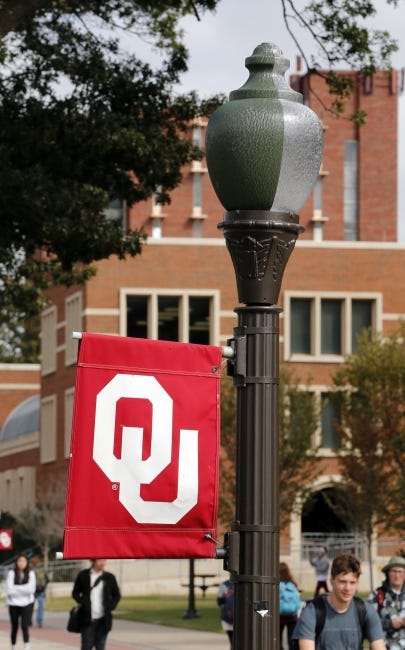
A graduate instructor at the University of Oklahoma has been placed on administrative leave following a complaint from a student regarding a controversial grade on an essay. The student, Samantha Fulnecky, claimed that the instructor’s grading of her essay, which cited the Bible, constituted a violation of her rights. This incident has sparked significant discussion surrounding academic freedom, grading policies, and students’ rights to express their beliefs.
Fulnecky’s essay addressed societal perceptions based on gender expectations, arguing that traditional gender roles should not be viewed as mere stereotypes. To support her viewpoint, she referenced the Bible, asserting that removing gender distinctions could be “detrimental” as it would diverge from “God’s original plan for humans.” Despite her arguments, Fulnecky received a score of zero out of 25 on the assignment.
The instructor criticized Fulnecky’s work for lacking empirical evidence and deemed parts of it offensive. In response to her grade, Fulnecky filed a formal discrimination complaint with the university and subsequently appealed the grade. She also took her concerns to Gov. Kevin Stitt, highlighting the gravity of the situation.
Responses from Faculty and Administration
Feedback from the instructor indicated that Fulnecky’s claims regarding gender were “highly offensive.” The instructor urged her to incorporate “more perspective and empathy” into her work. Both the instructor and another faculty member involved in the grading process refused to alter Fulnecky’s grade despite her appeals.
The university announced on November 30, 2023, that the graduate instructor had been placed on administrative leave while the situation is evaluated. This decision has drawn attention to the balance between maintaining academic standards and respecting diverse viewpoints in educational settings.
In a statement on social media platform X (formerly Twitter), Gov. Stitt called on the university’s regents to review the investigation’s findings to ensure that no student is “unfairly penalized for their beliefs.” His involvement underscores the broader implications of this case, as it touches on issues of free speech and academic integrity.
Broader Implications and Continuing Discussion
This incident at the University of Oklahoma has ignited discussions around academic freedom and the responsibilities of educators in handling sensitive topics. Critics argue that grading should reflect the quality of argumentation and critical thinking, regardless of the sources students choose to reference. Supporters of the instructor’s actions contend that academic environments require a foundation of evidence-based discourse.
As the university begins its review, the outcome will likely influence not only Fulnecky’s academic career but also set a precedent for how similar cases are handled in the future. The situation remains fluid, and both students and faculty are watching closely as developments unfold.
Fulnecky’s full essay has been made available for public reading, allowing for further examination of the arguments presented and the context of this ongoing debate.







Putin Arrives in India for Urgent Summit on Oil, Defense Ties

Manitoba Expands Training for Combined Lab and X-Ray Technologists

Cochrane District Plans to Recruit Australian Paramedics

Vancouver Tower Project Near Renfrew Station Doubles in Height

Neolithic Dawn Officially Launches on Meta Quest December 11, 2025

Murray State Dominates Morehead State with 84-52 Victory

Green Acres Students Brighten Christmas for Local Families

Greater Vancouver Faces Historic Low in Home Sales for 2025

Lethbridge Council Rejects Ward System Discussion in 7-3 Vote

Secwepemc First Nation Seeks Aboriginal Title Over Kamloops Area

Scientists Unearth Ancient Antarctic Ice to Unlock Climate Secrets

Trump and McCormick to Announce $70 Billion Energy Investments

Four Astronauts Return to Earth After International Space Station Mission

TransLink Launches Food Truck Program to Boost Revenue in Vancouver

Apple Notes Enhances Functionality with Markdown Support in macOS 26

Manitoba’s Burger Champion Shines Again Amid Dining Innovations

Urgent Update: Fatal Crash on Highway 99 Claims Life of Pitt Meadows Man

Ukrainian Tennis Star Elina Svitolina Faces Death Threats Online
-
 Politics4 weeks ago
Secwepemc First Nation Seeks Aboriginal Title Over Kamloops Area
-
 World5 months ago
Scientists Unearth Ancient Antarctic Ice to Unlock Climate Secrets
-
 Entertainment5 months ago
Trump and McCormick to Announce $70 Billion Energy Investments
-
 Science5 months ago
Four Astronauts Return to Earth After International Space Station Mission
-
 Lifestyle5 months ago
TransLink Launches Food Truck Program to Boost Revenue in Vancouver
-
 Technology3 months ago
Apple Notes Enhances Functionality with Markdown Support in macOS 26
-
 Lifestyle3 months ago
Manitoba’s Burger Champion Shines Again Amid Dining Innovations
-
 Top Stories2 months ago
Urgent Update: Fatal Crash on Highway 99 Claims Life of Pitt Meadows Man
-
 Politics4 months ago
Ukrainian Tennis Star Elina Svitolina Faces Death Threats Online
-

 Sports5 months ago
Search Underway for Missing Hunter Amid Hokkaido Bear Emergency
-
 Politics5 months ago
Carney Engages First Nations Leaders at Development Law Summit
-

 Technology5 months ago
Frosthaven Launches Early Access on July 31, 2025