
Technology
Canadians Question CBC’s Objectivity Amid Political Allegations


Concerns regarding the impartiality of the Canadian Broadcasting Corporation (CBC) have surged among the public, with claims that the network has become increasingly biased in its reporting. Critics argue that the CBC, which is expected to serve as a neutral national communication platform, has devolved into what they describe as a “propaganda outlet” for the ruling federal Liberal Party.
Many Canadians express discontent over perceived favoritism towards prominent Liberal figures such as Mark Carney, while alleging that the network consistently undermines opposition leaders like Pierre Poilievre and the Conservative Party. This sentiment was echoed in a recent letter to the editor published on January 25, 2026, where one contributor described the CBC as a “national disgrace” and called attention to its handling of significant political events.
Critics point to the CBC’s coverage of the Freedom Convoy protests as a key example of its alleged bias. They argue that the network mischaracterized the events surrounding the convoy, which drew widespread attention in early 2022. Additionally, they claim that the CBC failed to adequately address the freezing of bank accounts belonging to participants in the protests, an action seen by some as a violation of civil liberties.
Public Response to CBC’s Reporting
The criticism extends to the CBC’s approach to reporting on violence against religious institutions. Reports indicate that approximately 100 Christian churches were vandalized or destroyed during protests in 2021, yet some believe that the CBC did not sufficiently condemn these acts. Furthermore, the network has faced backlash for its coverage of the trials of Tamara Lich and Chris Barber, two individuals associated with the convoy, with accusations of failing to provide a fair portrayal of their legal challenges.
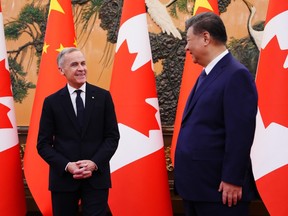
In light of these allegations, questions arise about the CBC’s relationship with the Liberal government. Critics contend that the network has not only failed to challenge the government’s decisions but has also shown an unwillingness to scrutinize its actions regarding international relations, particularly concerning Xi Jinping and the Chinese Communist Party (CCP). The letter writer expresses concern that the CBC’s lack of critical reporting reflects a broader threat to democracy and freedom of speech in Canada.
Supporters of the CBC argue that the network plays a vital role in delivering news to Canadians, emphasizing the importance of public broadcasting in a democratic society. Nonetheless, the ongoing debate regarding the CBC’s objectivity raises important questions about the role of media in politics and public discourse.
Proposals for Change and Community Engagement
In the same edition of the publication, another reader, Alex Ritchie, proposed a different issue related to public safety, suggesting that the installation of more red light cameras could help reduce traffic violations at intersections. Ritchie noted a troubling trend of drivers disregarding red lights, arguing that the presence of cameras would encourage more responsible driving behavior.
The contrasting opinions illustrate a community deeply engaged in discussions about governance, safety, and media representation. As Canadians continue to scrutinize the CBC’s role in their democracy, the implications of these conversations could shape public perceptions of the media and its influence on political and social issues.
As the debate unfolds, it remains to be seen how the CBC will respond to these allegations and whether the network will take steps to address concerns about its impartiality. The dialogue surrounding the CBC highlights the critical importance of transparency and accountability in media, especially within a democratic framework.











Olympic Women’s Hockey Game Postponed Due to Norovirus Outbreak

Vancouver Transforms into ‘The Last of Us’ Set for Season 3

Anthropic Study Reveals Risks in AI Coding, Calls for Oversight

Montreal Launches Urgent Project to Combat Youth Homelessness

GSK Shares Rise for Seven Consecutive Sessions, Up 22% This Year

Invest in CT Real Estate Trust for Monthly Income at 5.8%

AT&T Unveils Affordable Smartphone and Smartwatch for Kids

Former Officer Gets Conditional Sentence for Data Abuse of 33 Women

Boldy, Horvat, and Vejmelka Shine as NHL Stars of the Week

Secwepemc First Nation Seeks Aboriginal Title Over Kamloops Area

Scientists Unearth Ancient Antarctic Ice to Unlock Climate Secrets

Urgent Fire Erupts at Salvation Army on Christmas Evening

Canadian Curler E.J. Harnden Announces Retirement from Competition

Manitoba’s Burger Champion Shines Again Amid Dining Innovations

Fatal Crash on Highway 11 Claims Three Lives, Major Closure Ongoing

Trump and McCormick to Announce $70 Billion Energy Investments

Four Astronauts Return to Earth After International Space Station Mission

TransLink Launches Food Truck Program to Boost Revenue in Vancouver
-
 Politics3 months ago
Secwepemc First Nation Seeks Aboriginal Title Over Kamloops Area
-
 World7 months ago
Scientists Unearth Ancient Antarctic Ice to Unlock Climate Secrets
-
 Top Stories1 month ago
Urgent Fire Erupts at Salvation Army on Christmas Evening
-
 Sports1 month ago
Canadian Curler E.J. Harnden Announces Retirement from Competition
-
 Lifestyle5 months ago
Manitoba’s Burger Champion Shines Again Amid Dining Innovations
-
 Top Stories2 months ago
Fatal Crash on Highway 11 Claims Three Lives, Major Closure Ongoing
-
 Entertainment7 months ago
Trump and McCormick to Announce $70 Billion Energy Investments
-
 Science7 months ago
Four Astronauts Return to Earth After International Space Station Mission
-
 Lifestyle7 months ago
TransLink Launches Food Truck Program to Boost Revenue in Vancouver
-

 Technology5 months ago
Apple Notes Enhances Functionality with Markdown Support in macOS 26
-

 Top Stories1 month ago
Blue Jays Sign Kazuma Okamoto: Impact on Bo Bichette’s Future
-

 Top Stories2 months ago
NHL Teams Inquire About Marc-André Fleury’s Potential Return