
Technology
Driverless Transit System Revolutionizes Urban Commuting

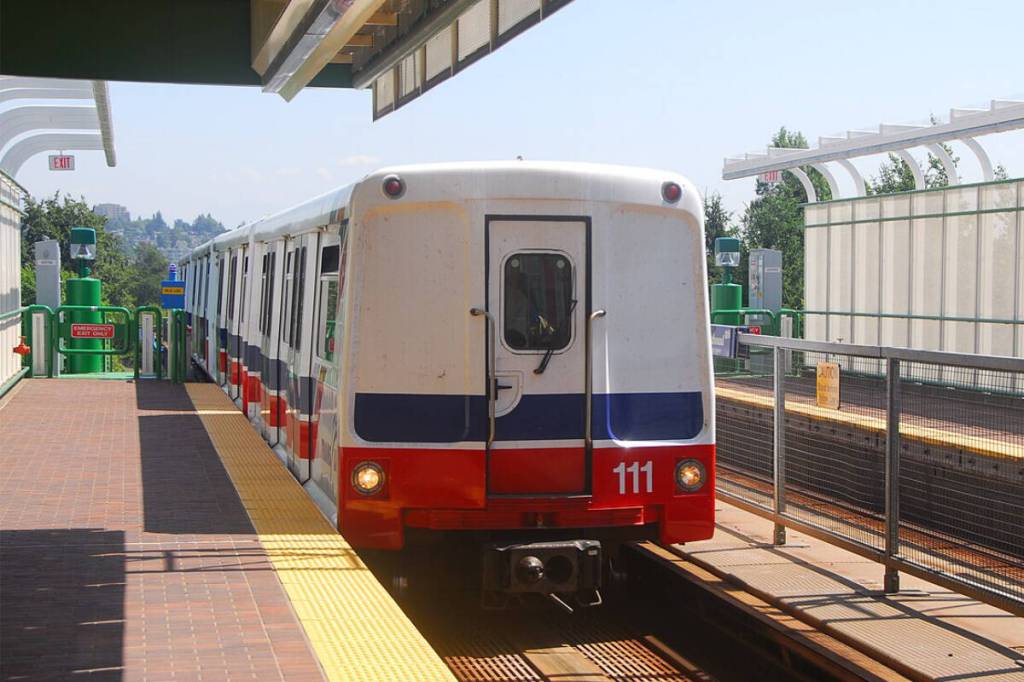
A new era in urban transportation has arrived with the introduction of a driverless, computer-controlled transit train system. This innovative technology aims to enhance the efficiency and safety of public transport while reducing the environmental footprint associated with traditional commuting methods.
The launch of this transit system, set for March 2024, marks a significant milestone in the evolution of urban infrastructure. Designed to operate without human intervention, the system promises to streamline operations and minimize delays, making city travel more convenient for commuters. According to the project developers, the technology leverages advanced algorithms and sensors to navigate tracks and respond to real-time conditions.
Transportation authorities in various cities are closely monitoring the rollout of these systems, which are expected to transform how residents travel. As urban populations grow, the demand for efficient and reliable transportation solutions becomes increasingly critical. The integration of driverless trains could alleviate congestion and reduce travel times, addressing one of the pressing challenges faced by modern cities.
Safety and Environmental Considerations
Safety remains a top priority for the developers of the driverless transit system. The technology is engineered to adhere to the highest safety standards, with multiple fail-safes in place to ensure passenger security. Real-time monitoring systems will continuously assess the operational environment, allowing for immediate adjustments in case of unforeseen circumstances.
In addition to safety, the environmental benefits of this transit solution are noteworthy. By eliminating the need for human drivers, the system aims to optimize energy consumption and reduce emissions. This aligns with global efforts to combat climate change and promote sustainable urban living. With public transport accounting for a significant portion of urban emissions, the adoption of cleaner technologies is essential for future generations.
The Future of Urban Mobility
City planners and policymakers view the deployment of driverless transit systems as a critical step toward modernizing public transportation. The potential for increased ridership, coupled with reduced operational costs, presents an attractive economic proposition. As cities continue to invest in smart infrastructure, the role of technology in shaping future mobility solutions becomes increasingly pronounced.
As the world moves toward smarter urban environments, the successful implementation of driverless transit systems could serve as a model for cities worldwide. The focus on efficiency, safety, and sustainability highlights a commitment to improving the quality of life for urban residents. With the anticipated debut in March 2024, this technology may very well redefine the way we think about commuting in the years to come.





Manitoba Legislature Holds Urgent Memorial for Montreal Massacre Victims

Urgent: Two Pedestrians Injured in Separate Hit-and-Run Crashes

Nova Scotia Premier Demands Crackdown on Illegal Cannabis Sales

Charlottetown Youth Committee Urgently Seeks Young Voices Now

Alberta’s Largest Craft Sale Invites Holiday Shoppers to Edmonton

Hunter McVey Discusses His Role in ABC’s ‘9-1-1 Nashville’

McGill University Climbs to Third in National Research Rankings

Children’s Hospitals Report Surge in Flu Cases Amid Early Season

Market Rotation Accelerates with Small Caps and Commodity Trends

Secwepemc First Nation Seeks Aboriginal Title Over Kamloops Area

Scientists Unearth Ancient Antarctic Ice to Unlock Climate Secrets

Trump and McCormick to Announce $70 Billion Energy Investments

Four Astronauts Return to Earth After International Space Station Mission

TransLink Launches Food Truck Program to Boost Revenue in Vancouver

Apple Notes Enhances Functionality with Markdown Support in macOS 26

Manitoba’s Burger Champion Shines Again Amid Dining Innovations

Urgent Update: Fatal Crash on Highway 99 Claims Life of Pitt Meadows Man

Ukrainian Tennis Star Elina Svitolina Faces Death Threats Online
-
 Politics4 weeks ago
Secwepemc First Nation Seeks Aboriginal Title Over Kamloops Area
-
 World5 months ago
Scientists Unearth Ancient Antarctic Ice to Unlock Climate Secrets
-
 Entertainment5 months ago
Trump and McCormick to Announce $70 Billion Energy Investments
-
 Science5 months ago
Four Astronauts Return to Earth After International Space Station Mission
-
 Lifestyle5 months ago
TransLink Launches Food Truck Program to Boost Revenue in Vancouver
-
 Technology3 months ago
Apple Notes Enhances Functionality with Markdown Support in macOS 26
-
 Lifestyle3 months ago
Manitoba’s Burger Champion Shines Again Amid Dining Innovations
-
 Top Stories2 months ago
Urgent Update: Fatal Crash on Highway 99 Claims Life of Pitt Meadows Man
-
 Politics4 months ago
Ukrainian Tennis Star Elina Svitolina Faces Death Threats Online
-

 Sports5 months ago
Search Underway for Missing Hunter Amid Hokkaido Bear Emergency
-

 Politics5 months ago
Carney Engages First Nations Leaders at Development Law Summit
-

 Technology5 months ago
Frosthaven Launches Early Access on July 31, 2025