
Technology
Stellantis to End North American Plug-In Hybrid Programs by 2026

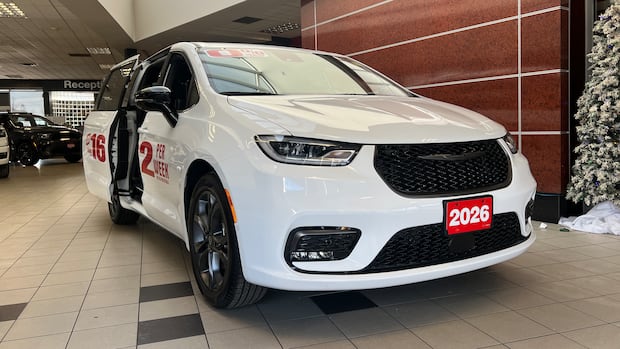
Stellantis has announced it will phase out its plug-in hybrid electric vehicle (PHEV) programs in North America, starting with the 2026 model year. This decision affects the production of the plug-in hybrid versions of the Jeep Wrangler, Jeep Grand Cherokee, and Chrysler Pacifica. According to a spokesperson for the automaker, the move is a response to shifting customer demand.
LouAnn Gosselin, a representative for Stellantis, stated in an email to CBC Windsor, “We will focus on more competitive electrified solutions, including hybrid and range-extended vehicles where they best meet customer needs.” She emphasized that this strategy aligns with the company’s commitment to delivering advanced propulsion systems that enhance efficiency and provide a range of options from internal combustion engines to fully electric vehicles.
Sales Surge Amid Product Shift
Stellantis’ announcement comes shortly after the release of its 2025 sales figures, which indicated a notable increase in demand for some models. Sales of the Chrysler Pacifica and Grand Caravan in Canada surged significantly compared to 2024, with the Grand Caravan’s sales rising by 30 percent year-on-year and the Pacifica’s sales skyrocketing by 95 percent. These figures contributed to what the company described as “impressive” overall growth for the Chrysler brand.
Sam Fiorani, vice president of global vehicle forecasting at AutoForecast Solutions, noted that the demand for minivans produced at the Windsor plant remains steady. He remarked, “There are only a couple of players in this field. It’s only Honda, Toyota, Kia, and Chrysler, so Stellantis is likely to build the same number of vehicles.”
Impact of Regulatory Changes
Industry analysts suggest that recent changes in emissions regulations, particularly those proposed during the administration of former President Donald Trump, have influenced Stellantis’ decision. Under Trump’s proposals, fuel economy standards were adjusted to favor gasoline-powered vehicles, easing restrictions that had been finalized under President Joe Biden in 2024. Fiorani explained that the relaxation of these regulations means automakers like Stellantis no longer face financial penalties for exceeding carbon output limits, thus reducing the necessity for plug-in hybrids.
Despite the transition away from PHEVs, Fiorani believes this will not significantly impact employment at the Windsor plant. He stated, “I don’t think the elimination of the PHEV version of the Pacifica will lower the output of the plant by any significant amount.” Stellantis produced only 8,800 plug-in hybrids last year, suggesting that the plant’s capacity will simply shift toward manufacturing standard Pacifica models.
Future of Electric Vehicle Production
Looking ahead, Fiorani expressed that while there is an ongoing shift toward electric vehicles, the full benefits of this transition may not be realized immediately. He anticipates that the NextStar Energy battery plant in Windsor, which is set to support electric vehicle production, may take time to yield results. “We are going to see more EVs, we are going to see more hybrids over the next decade and two, but it’s just not going to happen as quickly as the Biden administration had wanted it to happen,” he said.
In December, Stellantis announced plans to hire up to 1,500 workers for an additional manufacturing shift in Windsor, coinciding with the launch of new operations in early 2026. Trevor Longley, president and CEO of Stellantis Canada, remarked, “Today’s announcement reinforces Canada’s critical role in Stellantis’s global operations. As we lead the future of advanced automotive production, we’re thrilled to see our new Windsor Assembly Plant team hitting the ground running.”
The decision to eliminate plug-in hybrids underscores a significant shift in Stellantis’ strategy as it aims to adapt to changing market demands and regulatory environments while maintaining its workforce and production capabilities.













Morris Churches Unite for Annual Good Friday Walk With the Cross

Chloe Zhao’s ‘Buffy’ Reboot Cancelled: Sarah Michelle Gellar Speaks Out

Essential Ingredients for Life Found in Ryugu Asteroid Samples

Urgent Rescue: NSR Airlifts Injured Climber from Nanaimo

Riverside Heart Ball Achieves Record $815,000 for Mental Health

Cognizant Launches AI Factory to Enhance Enterprise AI Scalability

Samsung’s Galaxy Watch 9 to Feature Larger Battery Than Before

Toronto’s AIDS Memorial Faces Potential Redesign Amid Community Concerns

Bayern Munich Loses Luis Díaz Red Card Appeal Despite Referee’s Admission

Secwepemc First Nation Seeks Aboriginal Title Over Kamloops Area

Fatal Crash on Highway 11 Claims Three Lives, Major Closure Ongoing

Manitoba’s Burger Champion Shines Again Amid Dining Innovations

Canadian Curler E.J. Harnden Announces Retirement from Competition

Urgent Fire Erupts at Salvation Army on Christmas Evening

Scientists Unearth Ancient Antarctic Ice to Unlock Climate Secrets

Minister Faces Scrutiny Over Delayed Foreign Interference Watchdog Appointment

Trump and McCormick to Announce $70 Billion Energy Investments

Four Astronauts Return to Earth After International Space Station Mission
-
 Politics5 months ago
Secwepemc First Nation Seeks Aboriginal Title Over Kamloops Area
-
 Top Stories4 months ago
Fatal Crash on Highway 11 Claims Three Lives, Major Closure Ongoing
-
 Lifestyle7 months ago
Manitoba’s Burger Champion Shines Again Amid Dining Innovations
-
 Sports3 months ago
Canadian Curler E.J. Harnden Announces Retirement from Competition
-
 Top Stories3 months ago
Urgent Fire Erupts at Salvation Army on Christmas Evening
-
 World9 months ago
Scientists Unearth Ancient Antarctic Ice to Unlock Climate Secrets
-
 World5 months ago
Minister Faces Scrutiny Over Delayed Foreign Interference Watchdog Appointment
-
 Entertainment9 months ago
Trump and McCormick to Announce $70 Billion Energy Investments
-
 Science9 months ago
Four Astronauts Return to Earth After International Space Station Mission
-

 Lifestyle9 months ago
TransLink Launches Food Truck Program to Boost Revenue in Vancouver
-

 Lifestyle9 months ago
Monika Hibbs Unveils Acres Market & Interiors in Major Rebrand
-

 World1 month ago
Ranchman’s Cookhouse & Dancehall to Relocate by Early 2027