
Technology
US Lawmakers Urge Canada to Curb Chinese Auto Industry Access

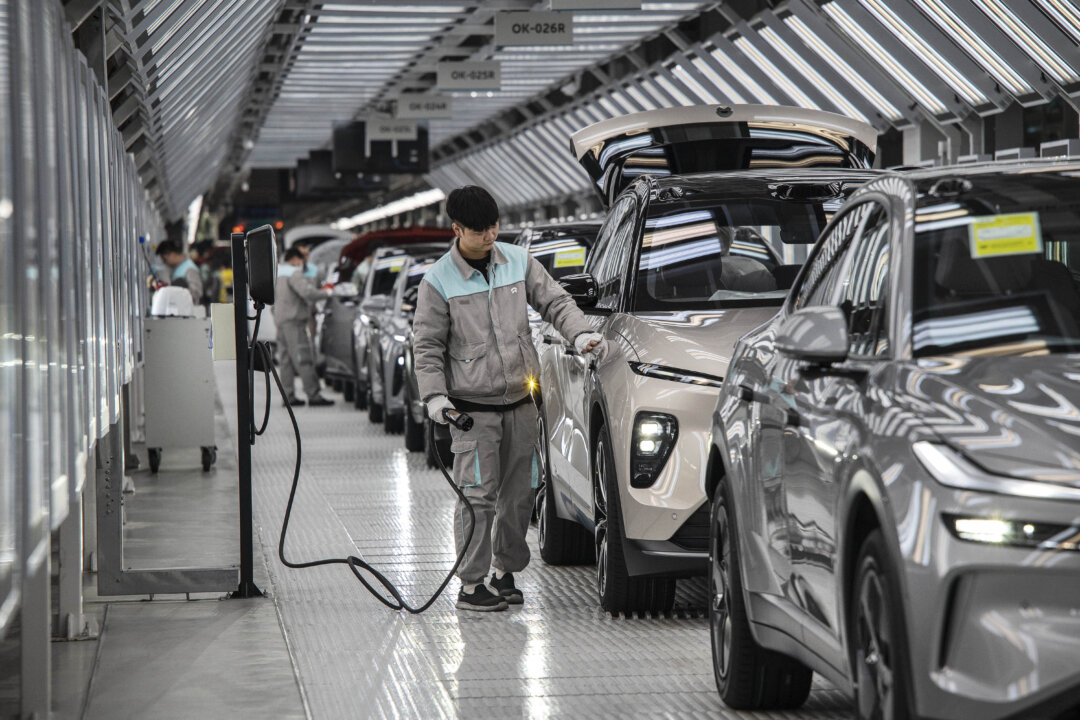
The U.S. House Select Committee on China has issued a strong warning to Canada regarding its potential decision to open its auto industry to Chinese manufacturers. This comes ahead of the upcoming negotiations to renew the United States-Mexico-Canada Agreement (USMCA). The committee cautioned that such a move could jeopardize thousands of jobs and disrupt the longstanding integration of the North American automotive sector.
In a statement released on January 16, 2024, via social media platform X, the committee highlighted the risks associated with allowing Chinese electric vehicles (EVs) into the Canadian market. They expressed concerns that this could provide “Beijing a foothold in the North American auto market,” which would significantly threaten jobs and undermine decades of automotive leadership in the region.
The committee pointed to existing challenges in Europe’s auto industry, which has already been impacted by China’s state-subsidized overcapacity. They warned that if Canada sets a precedent by welcoming Chinese EVs, North America could face similar distortions in its automotive market.
According to the committee, the introduction of Chinese vehicles, backed by substantial government support, could lead to unfair competition, disadvantaging local manufacturers. They emphasized the importance of protecting the North American auto industry, which has been a cornerstone of economic stability and employment across the region.
The committee’s warning comes as both Canada and the United States prepare for crucial discussions about the USMCA, which governs trade between the two nations and Mexico. The implications of Canada’s automotive decisions will likely be a significant point of contention during these negotiations.
Canadian officials have yet to respond officially to the committee’s statements. However, the growing discourse around the automotive sector’s future highlights the delicate balance between fostering international trade relationships and protecting domestic industries.
As the automotive landscape continues to evolve with the rise of electric vehicles, the outcomes of these negotiations could have lasting impacts on the industry. The U.S. lawmakers’ stance reflects wider concerns about national security and economic sovereignty in the face of foreign competition, particularly from China.
The situation remains fluid as both countries navigate their trade agreements and the complexities of the global automotive market. The coming months will be critical for Canada as it considers its options and the potential repercussions of its decisions on the North American automotive industry.









Norovirus Outbreak Forces Canada’s Hockey Game Postponement

Fauna Robotics Unveils Sprout: A Humanoid Robot for Home Use

Team Canada Faces Goaltending Concerns Ahead of Olympics

Celebrating the Life of Irena Peritz: A Legacy of Love and Resilience

India, U.S. Announce Urgent Trade Deal to Slash Tariffs Now

American Airlines Pilots Challenge Management After Poor Results

Kirsten Hillman Concludes Historic Ambassadorial Tenure in Washington

Centenarian Mildred “Blondie” Siegel Celebrates 100 Years of Life

Experts Warn of Rapid Rise in AI-Generated Threats to Canada

Secwepemc First Nation Seeks Aboriginal Title Over Kamloops Area

Scientists Unearth Ancient Antarctic Ice to Unlock Climate Secrets

Urgent Fire Erupts at Salvation Army on Christmas Evening

Canadian Curler E.J. Harnden Announces Retirement from Competition

Manitoba’s Burger Champion Shines Again Amid Dining Innovations

Fatal Crash on Highway 11 Claims Three Lives, Major Closure Ongoing

Trump and McCormick to Announce $70 Billion Energy Investments

Four Astronauts Return to Earth After International Space Station Mission

TransLink Launches Food Truck Program to Boost Revenue in Vancouver
-
 Politics3 months ago
Secwepemc First Nation Seeks Aboriginal Title Over Kamloops Area
-
 World7 months ago
Scientists Unearth Ancient Antarctic Ice to Unlock Climate Secrets
-
 Top Stories1 month ago
Urgent Fire Erupts at Salvation Army on Christmas Evening
-
 Sports1 month ago
Canadian Curler E.J. Harnden Announces Retirement from Competition
-
 Lifestyle5 months ago
Manitoba’s Burger Champion Shines Again Amid Dining Innovations
-
 Top Stories2 months ago
Fatal Crash on Highway 11 Claims Three Lives, Major Closure Ongoing
-
 Entertainment7 months ago
Trump and McCormick to Announce $70 Billion Energy Investments
-
 Science7 months ago
Four Astronauts Return to Earth After International Space Station Mission
-
 Lifestyle7 months ago
TransLink Launches Food Truck Program to Boost Revenue in Vancouver
-

 Technology5 months ago
Apple Notes Enhances Functionality with Markdown Support in macOS 26
-

 Top Stories1 month ago
Blue Jays Sign Kazuma Okamoto: Impact on Bo Bichette’s Future
-

 Top Stories2 months ago
NHL Teams Inquire About Marc-André Fleury’s Potential Return