
Top Stories
Antica Terra Expands, Protects Oregon’s Oak Habitat Amid Growth

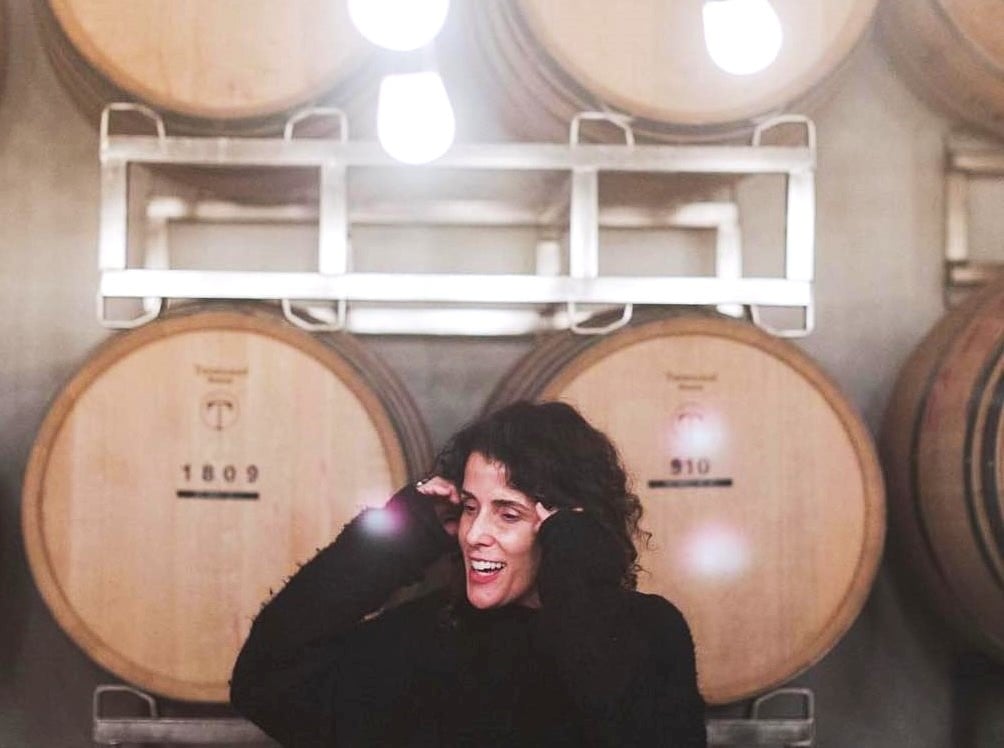
UPDATE: Antica Terra, a pioneering winery in Amity, Oregon, has just expanded its operations by acquiring a significant 147-acre property while committing to preserving vital oak habitats. This landmark move, finalized in 2023, highlights a growing trend in sustainable winemaking as the demand for eco-friendly practices surges.
Maggie Harrison, co-founder of Antica Terra, has long championed sustainable practices since launching the winery in 2005. With 36,000 bottles sold annually, her commitment to organic farming and biodiversity has attracted a fan base that includes celebrities like LeBron James and Pink. However, the recent acquisition of land previously owned by conservationist Craig Keeler marks a transformative step for her operations.
The newly acquired land features over 80 acres of native white oak savannah, a crucial habitat in the rapidly disappearing landscape of the Willamette Valley, which has lost 97 percent of its native oak habitat. Harrison’s decision not to cut down these historic oaks—despite the potential to increase profits by $24,000 annually—reflects a profound shift in her understanding of the ecosystem’s value.
Harrison’s journey towards sustainability has been characterized by learning and growth. Initially considering the removal of oak trees to expand her vineyard, she now acknowledges the critical role these trees play in supporting over 500 wildlife species in the region, including various birds and plant life. “He really watched me grow up,” Harrison said, referring to Keeler’s influence on her sustainable practices.
Antica Terra’s commitment to the environment aligns with a broader movement among wineries in the Pacific Northwest. With programs aimed at reducing carbon emissions and pesticide use, the industry is increasingly focusing on sustainability. Antica Terra, which is Demeter-certified, already employs regenerative agriculture practices, including composting and dry farming, which rely solely on rainwater.
This expansion allows Antica Terra to increase its in-house grape sourcing, adhering to Harrison’s sustainable farming standards. “The only reason we were chosen to be the next stewards is because he knew that I would never cut down a single tree on that property,” she emphasized.
The winery is not just about wine production; it embodies a vision for a healthier bioregion. Harrison plans to continue educational programs for local children, allowing them to connect with nature and learn about the oak trees’ significance. “To be able to invite people in to experience the distinction of the landscape and its particular gifts is so much more exciting than planting another acre of vines,” she noted.
In a bold response to the challenges of vineyard management, Harrison has hired a vice-president of polyculture to oversee innovative farming methods. This includes using animals to manage weeds and fertilize the land, showcasing how biodiversity can enhance grape production.
Despite encountering challenges, such as persistent voles damaging the vines, the winery’s commitment to biodiversity remains steadfast. Harrison insists that diversity equals complexity in wine production, asserting, “Irrefutably. Again: diversity equals complexity.”
Antica Terra’s approach is a refreshing example of how businesses can integrate with nature rather than exploit it, setting a dynamic precedent for sustainable agriculture. As the wine industry continues to evolve, Antica Terra stands out as a beacon of responsible farming and ecological stewardship.
This urgent development not only highlights the winery’s growth but also serves as a critical reminder of the importance of preserving natural habitats in the face of agricultural expansion. As Harrison leads the charge for sustainability, Antica Terra’s story is one of hope and commitment to the environment, embodying a future where business success and ecological health can coexist.













Urgent: Highway 11 Closed Due to Severe Weather Conditions

Knights Seek Revenge Against Spitfires in Windsor Showdown

Urgent Recall: Life Brand Cough Syrup Stored Improperly

Winnipeg Jets Surge with Key Depth Scoring in 4-1 Victory

Kingston Frontenacs Suffer Eighth Straight Loss to Flint Firebirds

University Students Tackle Food Insecurity with Creative Solutions

Protesters Arrested After Food Attack on Crown Jewels Display

Saskatchewan Legislative Session Concludes with $427 Million Deficit

University of Calgary Achieves Top Five Research University Status

Secwepemc First Nation Seeks Aboriginal Title Over Kamloops Area

Scientists Unearth Ancient Antarctic Ice to Unlock Climate Secrets

Trump and McCormick to Announce $70 Billion Energy Investments

Four Astronauts Return to Earth After International Space Station Mission

TransLink Launches Food Truck Program to Boost Revenue in Vancouver

Apple Notes Enhances Functionality with Markdown Support in macOS 26

Manitoba’s Burger Champion Shines Again Amid Dining Innovations

Urgent Update: Fatal Crash on Highway 99 Claims Life of Pitt Meadows Man

Ukrainian Tennis Star Elina Svitolina Faces Death Threats Online
-
 Politics4 weeks ago
Secwepemc First Nation Seeks Aboriginal Title Over Kamloops Area
-
 World5 months ago
Scientists Unearth Ancient Antarctic Ice to Unlock Climate Secrets
-
 Entertainment5 months ago
Trump and McCormick to Announce $70 Billion Energy Investments
-
 Science5 months ago
Four Astronauts Return to Earth After International Space Station Mission
-
 Lifestyle5 months ago
TransLink Launches Food Truck Program to Boost Revenue in Vancouver
-
 Technology3 months ago
Apple Notes Enhances Functionality with Markdown Support in macOS 26
-
 Lifestyle3 months ago
Manitoba’s Burger Champion Shines Again Amid Dining Innovations
-
 Top Stories2 months ago
Urgent Update: Fatal Crash on Highway 99 Claims Life of Pitt Meadows Man
-
 Politics4 months ago
Ukrainian Tennis Star Elina Svitolina Faces Death Threats Online
-

 Sports5 months ago
Search Underway for Missing Hunter Amid Hokkaido Bear Emergency
-

 Politics5 months ago
Carney Engages First Nations Leaders at Development Law Summit
-

 Top Stories1 week ago
Homemade Houseboat ‘Neverlanding’ Captivates Lake Huron Voyagers