
Top Stories
BC Government Ends Pilot Drug Decriminalization Program, Urgent Response Needed

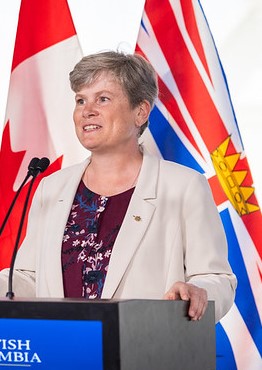
BREAKING: The British Columbia government has just announced the termination of its pilot program aimed at decriminalizing drug use, citing ineffective outcomes. Health Minister Josie Osborne confirmed this decision during a press conference on Wednesday, stating, “Despite the hard work and good intentions behind the pilot, it has not delivered the results we hoped for.”
Osborne emphasized that the program, launched in 2023 with strong support from advocates, service providers, and law enforcement, aimed to provide those struggling with addiction the opportunity to seek help without fear of criminalization. However, she indicated that the government will not be seeking a renewal of the federal exemption required to continue the program.
The implications of this decision are significant. As the toxic drug crisis in British Columbia escalates, ending the pilot program means renewed focus on law enforcement rather than support for individuals facing addiction.
“People struggling with addiction are our friends, our family members, and our neighbours,”
Osborne stated, highlighting the urgent need to adapt responses to the evolving crisis.
Deputy Commissioner Dwayne McDonald of the BC RCMP added that the end of the exemption allows police to enforce the Controlled Drugs and Substances Act more vigorously. He reiterated, “We are committed to working with our partners to ensure those with mental health and addiction issues receive immediate and ongoing assistance.”
The province has previously invested over $550 million in mental health and addiction services since establishing the Ministry of Mental Health and Addictions in 2017. This includes opening more than 760 new treatment beds and implementing life-saving measures like Take Home Naloxone, which has reportedly prevented over 54,000 toxic-drug deaths.
Despite these efforts, the government acknowledges that immediate action is required to address the crisis effectively. Osborne reassured the public that the focus will shift towards enhancing care options that prioritize timely and appropriate treatment, emphasizing that addiction should be treated as a health issue rather than a criminal justice matter.
As British Columbia grapples with this decision, the future of drug policy in the province remains uncertain. Authorities are expected to continue exploring new approaches to combat the growing crisis, while the community searches for solutions that ensure individuals can access necessary care without stigma.
For those seeking support, mental health and substance use services are still available. Visit [Help Starts Here](https://helpstartshere.gov.bc.ca/) for immediate resources.
Stay tuned for updates on this developing story as the province navigates its next steps in addressing the addiction crisis.













Morris Churches Unite for Annual Good Friday Walk With the Cross

Chloe Zhao’s ‘Buffy’ Reboot Cancelled: Sarah Michelle Gellar Speaks Out

Essential Ingredients for Life Found in Ryugu Asteroid Samples

Urgent Rescue: NSR Airlifts Injured Climber from Nanaimo

Riverside Heart Ball Achieves Record $815,000 for Mental Health

Cognizant Launches AI Factory to Enhance Enterprise AI Scalability

Samsung’s Galaxy Watch 9 to Feature Larger Battery Than Before

Toronto’s AIDS Memorial Faces Potential Redesign Amid Community Concerns

Bayern Munich Loses Luis Díaz Red Card Appeal Despite Referee’s Admission

Secwepemc First Nation Seeks Aboriginal Title Over Kamloops Area

Fatal Crash on Highway 11 Claims Three Lives, Major Closure Ongoing

Manitoba’s Burger Champion Shines Again Amid Dining Innovations

Canadian Curler E.J. Harnden Announces Retirement from Competition

Urgent Fire Erupts at Salvation Army on Christmas Evening

Scientists Unearth Ancient Antarctic Ice to Unlock Climate Secrets

Minister Faces Scrutiny Over Delayed Foreign Interference Watchdog Appointment

Trump and McCormick to Announce $70 Billion Energy Investments

Four Astronauts Return to Earth After International Space Station Mission
-
 Politics5 months ago
Secwepemc First Nation Seeks Aboriginal Title Over Kamloops Area
-
 Top Stories4 months ago
Fatal Crash on Highway 11 Claims Three Lives, Major Closure Ongoing
-
 Lifestyle7 months ago
Manitoba’s Burger Champion Shines Again Amid Dining Innovations
-
 Sports3 months ago
Canadian Curler E.J. Harnden Announces Retirement from Competition
-
 Top Stories3 months ago
Urgent Fire Erupts at Salvation Army on Christmas Evening
-
 World9 months ago
Scientists Unearth Ancient Antarctic Ice to Unlock Climate Secrets
-
 World5 months ago
Minister Faces Scrutiny Over Delayed Foreign Interference Watchdog Appointment
-
 Entertainment9 months ago
Trump and McCormick to Announce $70 Billion Energy Investments
-
 Science9 months ago
Four Astronauts Return to Earth After International Space Station Mission
-

 Lifestyle9 months ago
TransLink Launches Food Truck Program to Boost Revenue in Vancouver
-

 Lifestyle9 months ago
Monika Hibbs Unveils Acres Market & Interiors in Major Rebrand
-

 World1 month ago
Ranchman’s Cookhouse & Dancehall to Relocate by Early 2027