
Top Stories
Canada’s Notwithstanding Clause Sparks Urgent Legal Battle

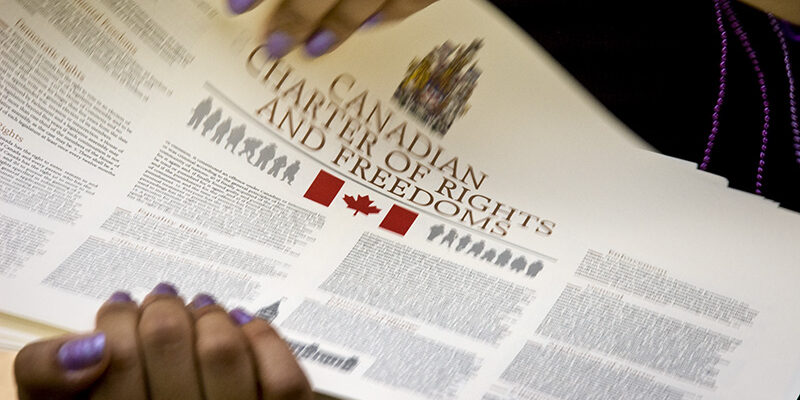
BREAKING: The debate surrounding Canada’s controversial notwithstanding clause intensifies as the federal government intervenes in a pivotal Supreme Court case regarding Bill 21, Quebec’s contentious law prohibiting public sector employees from wearing religious symbols. This urgent legal confrontation raises critical questions about the balance of power between federal authorities and provincial legislatures.
New reports confirm that the federal government is questioning whether courts can still assess if a law violates a Charter right when enacted under the notwithstanding clause, a section of the Canadian Charter of Rights and Freedoms that allows governments to temporarily override certain rights. This intervention comes amid a surge in the clause’s application across Canada, with its use growing since 2018.
Recent actions by Ontario, Saskatchewan, and Alberta highlight a trend of invoking the clause to bypass judicial decisions, igniting fierce debate about the implications for civil liberties. Premier Doug Ford has defended the clause, stating, “I was elected. The judge was appointed,” emphasizing a push for legislative supremacy over judicial oversight.
The federal Conservative Party, led by Pierre Poilievre, has voiced intentions to invoke the notwithstanding clause to override Supreme Court decisions on criminal sentencing, marking a potential first for a federal government. This move could set a precedent, raising alarms about the erosion of judicial authority in Canada.
Critics warn that the growing invocation of the notwithstanding clause threatens fundamental rights, with concerns echoed by legal experts like Julius Grey, who argues that it risks creating a “tyranny of the majority” where minority rights can be easily overridden. Meanwhile, proponents argue it democratizes the policy-making process, allowing the electorate to have the final say.
The Supreme Court is currently deliberating on these pressing issues, and the outcome could reshape the future of Canadian democracy and the role of the courts. As provinces assert their rights to invoke the clause, tensions over regional identities and national unity escalate. The premiers of Ontario, Quebec, Alberta, Saskatchewan, and Nova Scotia have collectively defended their use of the clause, indicating a significant divide in how different regions perceive rights and governance.
As discussions unfold, the implications for individual freedoms and provincial autonomy hang in the balance. The next steps will be crucial as Canadians watch closely how the Supreme Court addresses these pivotal questions surrounding the notwithstanding clause and its impact on the fabric of Canadian society.
Stay tuned for further developments as this critical issue unfolds, with more insights on the usage of the notwithstanding clause in Alberta and its historical context in upcoming reports. The future of Canada’s legal landscape is at stake!










Morris Churches Unite for Annual Good Friday Walk With the Cross

Chloe Zhao’s ‘Buffy’ Reboot Cancelled: Sarah Michelle Gellar Speaks Out

Essential Ingredients for Life Found in Ryugu Asteroid Samples

Urgent Rescue: NSR Airlifts Injured Climber from Nanaimo

Riverside Heart Ball Achieves Record $815,000 for Mental Health

Cognizant Launches AI Factory to Enhance Enterprise AI Scalability

Samsung’s Galaxy Watch 9 to Feature Larger Battery Than Before

Toronto’s AIDS Memorial Faces Potential Redesign Amid Community Concerns

Bayern Munich Loses Luis Díaz Red Card Appeal Despite Referee’s Admission

Secwepemc First Nation Seeks Aboriginal Title Over Kamloops Area

Fatal Crash on Highway 11 Claims Three Lives, Major Closure Ongoing

Manitoba’s Burger Champion Shines Again Amid Dining Innovations

Canadian Curler E.J. Harnden Announces Retirement from Competition

Urgent Fire Erupts at Salvation Army on Christmas Evening

Scientists Unearth Ancient Antarctic Ice to Unlock Climate Secrets

Minister Faces Scrutiny Over Delayed Foreign Interference Watchdog Appointment

Trump and McCormick to Announce $70 Billion Energy Investments

Monika Hibbs Unveils Acres Market & Interiors in Major Rebrand
-
 Politics5 months ago
Secwepemc First Nation Seeks Aboriginal Title Over Kamloops Area
-
 Top Stories4 months ago
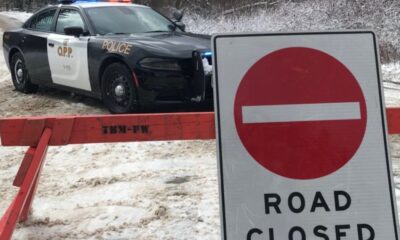
Fatal Crash on Highway 11 Claims Three Lives, Major Closure Ongoing
-
 Lifestyle7 months ago
Manitoba’s Burger Champion Shines Again Amid Dining Innovations
-
 Sports3 months ago
Canadian Curler E.J. Harnden Announces Retirement from Competition
-
 Top Stories4 months ago
Urgent Fire Erupts at Salvation Army on Christmas Evening
-
 World9 months ago
Scientists Unearth Ancient Antarctic Ice to Unlock Climate Secrets
-
 World5 months ago
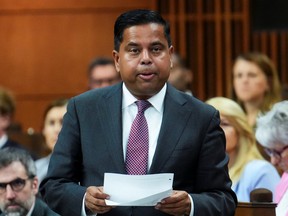
Minister Faces Scrutiny Over Delayed Foreign Interference Watchdog Appointment
-
 Entertainment9 months ago
Trump and McCormick to Announce $70 Billion Energy Investments
-
 Lifestyle9 months ago
Monika Hibbs Unveils Acres Market & Interiors in Major Rebrand
-

 Science9 months ago
Four Astronauts Return to Earth After International Space Station Mission
-

 Lifestyle9 months ago
TransLink Launches Food Truck Program to Boost Revenue in Vancouver
-

 World1 month ago
Ranchman’s Cookhouse & Dancehall to Relocate by Early 2027