
Top Stories
Couple Urges Changes After Tragic Loss of Preemie Son in N.S.

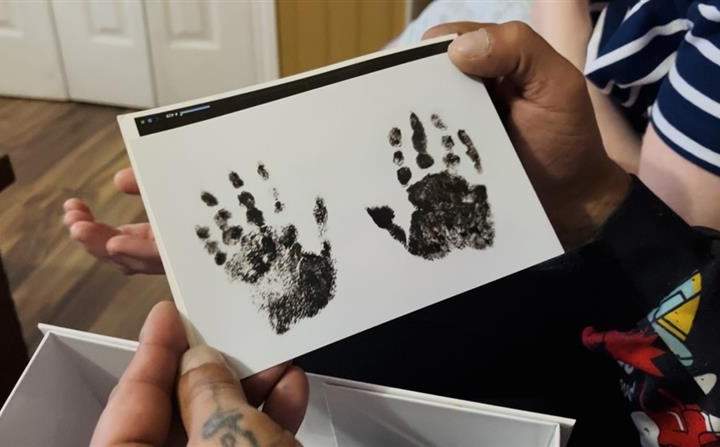
UPDATE: A Nova Scotia couple is calling for urgent reforms in maternal healthcare after their heartbreaking experience during the birth of their premature son. Shane Boucher and Makenna Westlake’s son, Alakai Vincent Boucher, was born on September 18, 2023, at just 22 weeks gestation, weighing only 1 pound, 3 ounces. Tragically, he did not survive.
The couple was initially overjoyed upon learning of their pregnancy, but their excitement turned to panic when Westlake’s water broke prematurely. Rushing to Yarmouth Regional Hospital, they were informed that due to Alakai’s extreme pre-maturity, they would need to transfer to IWK Health Centre in Halifax—the only facility in the province with a Neonatal Intensive Care Unit (NICU).
Despite their pleas for a LifeFlight or ambulance transfer, the couple was denied, forcing them to drive hundreds of kilometers to Halifax. “The entire time, I was talking to our son in her stomach,” Boucher recalled. “I was telling him, ‘Listen kid, it’s far too early, you can’t come out yet.’”
Upon arrival at IWK, although Alakai’s heartbeat remained strong, the couple endured a harrowing wait of over three hours before being taken to the Birth Unit. During this time, Westlake suffered from nausea and was denied food or water, as hospital staff advised against intake in case of an emergency C-section, which ultimately did not occur.
Westlake expressed her frustration, stating, “This was my first pregnancy, plus it’s a traumatic birth experience, and they were not coaching me—nothing.” Alakai was born at 1:01 a.m., and Westlake described him as “perfect,” fully formed with all his fingers and toes. However, post-birth, the couple was devastated by the lack of immediate medical attention.
“I focus on his chest, and I can see movement,” Boucher said, his voice breaking. “I say, ‘I think he’s breathing!’ That’s when they come over.” Unfortunately, the nurse’s lack of response left the couple feeling hopeless. Later that night, they signed papers declaring Alakai deceased, spending precious moments with him before leaving the hospital heartbroken.
In a shocking turn, a week later, Boucher and Westlake received a call from IWK, where a staff member was unaware of Alakai’s death. “She said, ‘When would you like to make an appointment to bring your son in to make sure his hearing and breathing is up to date?’” Westlake recalled, horrified. “How do you test a dead kid’s hearing and breathing?”
The couple is now advocating for better communication between hospital departments following the loss of a child. IWK Health Centre declined to comment specifically on the case, citing patient privacy, but acknowledged the family’s concerns in a statement. “Patient care is our top priority and concerns of this nature are taken seriously,” they stated.
Boucher and Westlake are pushing for systemic changes in the healthcare system—specifically, they want to ensure that high-risk premature births occur in NICU facilities. “Those types of births shouldn’t just involve a nurse and a doctor—there should be a whole team in there,” Westlake stressed.
As they continue to grieve, the couple reflects on the respect and compassion they felt was lacking during their traumatic experience. They remain determined to become parents again, with plans to have their future children in their home province of Alberta.
This tragic story underscores the urgent need for improved maternal healthcare and compassionate support for families facing the loss of a child. As Boucher stated, “We need to do better for those going through trauma.”
For updates on their advocacy efforts and further developments, stay tuned.











Morris Churches Unite for Annual Good Friday Walk With the Cross

Chloe Zhao’s ‘Buffy’ Reboot Cancelled: Sarah Michelle Gellar Speaks Out

Essential Ingredients for Life Found in Ryugu Asteroid Samples

Urgent Rescue: NSR Airlifts Injured Climber from Nanaimo

Riverside Heart Ball Achieves Record $815,000 for Mental Health

Cognizant Launches AI Factory to Enhance Enterprise AI Scalability

Samsung’s Galaxy Watch 9 to Feature Larger Battery Than Before

Toronto’s AIDS Memorial Faces Potential Redesign Amid Community Concerns

Bayern Munich Loses Luis Díaz Red Card Appeal Despite Referee’s Admission

Secwepemc First Nation Seeks Aboriginal Title Over Kamloops Area

Fatal Crash on Highway 11 Claims Three Lives, Major Closure Ongoing

Manitoba’s Burger Champion Shines Again Amid Dining Innovations

Canadian Curler E.J. Harnden Announces Retirement from Competition

Urgent Fire Erupts at Salvation Army on Christmas Evening

Scientists Unearth Ancient Antarctic Ice to Unlock Climate Secrets

Minister Faces Scrutiny Over Delayed Foreign Interference Watchdog Appointment

Trump and McCormick to Announce $70 Billion Energy Investments

Monika Hibbs Unveils Acres Market & Interiors in Major Rebrand
-
 Politics5 months ago
Secwepemc First Nation Seeks Aboriginal Title Over Kamloops Area
-
 Top Stories4 months ago
Fatal Crash on Highway 11 Claims Three Lives, Major Closure Ongoing
-
 Lifestyle7 months ago
Manitoba’s Burger Champion Shines Again Amid Dining Innovations
-
 Sports3 months ago
Canadian Curler E.J. Harnden Announces Retirement from Competition
-
 Top Stories3 months ago
Urgent Fire Erupts at Salvation Army on Christmas Evening
-
 World9 months ago
Scientists Unearth Ancient Antarctic Ice to Unlock Climate Secrets
-
 World5 months ago
Minister Faces Scrutiny Over Delayed Foreign Interference Watchdog Appointment
-
 Entertainment9 months ago
Trump and McCormick to Announce $70 Billion Energy Investments
-
 Lifestyle9 months ago
Monika Hibbs Unveils Acres Market & Interiors in Major Rebrand
-

 Science9 months ago
Four Astronauts Return to Earth After International Space Station Mission
-

 Lifestyle9 months ago
TransLink Launches Food Truck Program to Boost Revenue in Vancouver
-

 World1 month ago
Ranchman’s Cookhouse & Dancehall to Relocate by Early 2027