
Top Stories
Creston’s Bird Count Reveals 76 Species Amid Surprising Trends

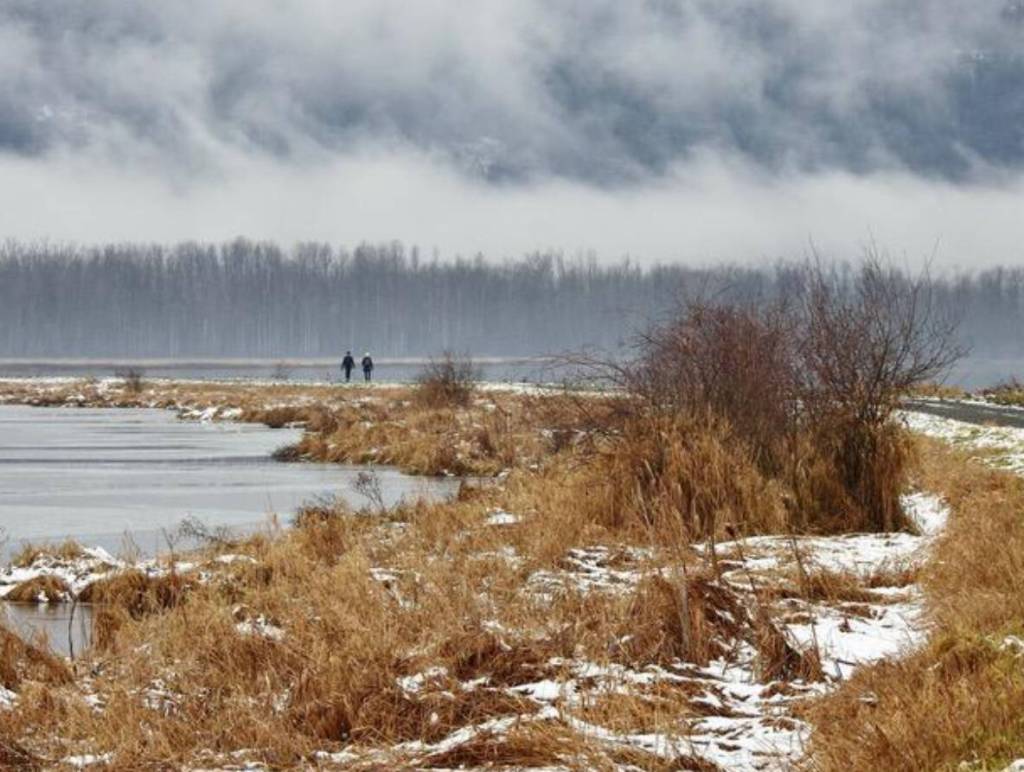
UPDATE: The **27th annual Creston Christmas Bird Count** on **December 27, 2023**, has revealed a remarkable total of **76 bird species** spotted by **31 dedicated volunteer “citizen scientists.”** This year’s count, despite a chilly morning and strong winds, showcased unexpected trends in bird populations across the region.
During the event, volunteers scoured various habitats including forests, marshes, and urban areas, contributing to a collective count of **7,622 individual birds.** The standout species this year was the **American Robin**, with **622 sightings**, attributed to a milder winter and abundant berry supplies.
Why this matters NOW: The findings underscore significant shifts in bird behavior and population dynamics, particularly in light of climate conditions. The presence of such large flocks of robins is particularly noteworthy, as they have consistently appeared in Christmas counts since **1998**, albeit with fluctuating numbers each year.
While the robins thrived, the absence of the typically large flocks of **European Starlings** and **Bohemian Waxwings** raised eyebrows among ornithologists. However, an increase in **Cedar Waxwings** was noted, hinting at changing food availability and environmental conditions.
The count also documented impressive numbers of swans, with **178 Trumpeter Swans** and **62 Tundra Swans** observed in the valley. These figures are encouraging as some Trumpeters are known to overwinter in the area when conditions permit.
In addition to the main count, a few tireless volunteers spotted an extra **10 species** during the “count week,” including the elusive **Cooper’s Hawk** and the **Northern Saw-whet Owl.** This dedication highlights the commitment of the community to understanding local biodiversity.
Key findings from the count include:
– **Canada Goose:** 1,125
– **Mallard:** 705
– **Bald Eagle:** 23
– **Common Raven:** 150
– **American Goldfinch:** 202
– **House Finch:** 180
As the birding community reflects on these numbers, the implications for wildlife conservation and environmental monitoring become clear. Monitoring these populations is crucial for assessing ecological health and responding to changes brought on by climate shifts.
What’s next? Ornithologists and local conservationists will analyze this year’s data to identify trends and prepare for future counts. The results will be shared widely to encourage further public interest in avian studies and conservation efforts, fostering a deeper connection to local wildlife.
Stay tuned for more updates as researchers delve into these findings and what they could mean for the avian populations in Creston and beyond.













Morris Churches Unite for Annual Good Friday Walk With the Cross

Chloe Zhao’s ‘Buffy’ Reboot Cancelled: Sarah Michelle Gellar Speaks Out

Essential Ingredients for Life Found in Ryugu Asteroid Samples

Urgent Rescue: NSR Airlifts Injured Climber from Nanaimo

Riverside Heart Ball Achieves Record $815,000 for Mental Health

Cognizant Launches AI Factory to Enhance Enterprise AI Scalability

Samsung’s Galaxy Watch 9 to Feature Larger Battery Than Before

Toronto’s AIDS Memorial Faces Potential Redesign Amid Community Concerns

Bayern Munich Loses Luis Díaz Red Card Appeal Despite Referee’s Admission

Secwepemc First Nation Seeks Aboriginal Title Over Kamloops Area

Fatal Crash on Highway 11 Claims Three Lives, Major Closure Ongoing

Manitoba’s Burger Champion Shines Again Amid Dining Innovations

Canadian Curler E.J. Harnden Announces Retirement from Competition

Urgent Fire Erupts at Salvation Army on Christmas Evening

Scientists Unearth Ancient Antarctic Ice to Unlock Climate Secrets

Trump and McCormick to Announce $70 Billion Energy Investments

Minister Faces Scrutiny Over Delayed Foreign Interference Watchdog Appointment

Monika Hibbs Unveils Acres Market & Interiors in Major Rebrand
-
 Politics5 months ago
Secwepemc First Nation Seeks Aboriginal Title Over Kamloops Area
-
 Top Stories4 months ago
Fatal Crash on Highway 11 Claims Three Lives, Major Closure Ongoing
-
 Lifestyle7 months ago
Manitoba’s Burger Champion Shines Again Amid Dining Innovations
-
 Sports3 months ago
Canadian Curler E.J. Harnden Announces Retirement from Competition
-
 Top Stories3 months ago
Urgent Fire Erupts at Salvation Army on Christmas Evening
-
 World9 months ago
Scientists Unearth Ancient Antarctic Ice to Unlock Climate Secrets
-
 Entertainment9 months ago
Trump and McCormick to Announce $70 Billion Energy Investments
-
 World5 months ago
Minister Faces Scrutiny Over Delayed Foreign Interference Watchdog Appointment
-
 Lifestyle9 months ago
Monika Hibbs Unveils Acres Market & Interiors in Major Rebrand
-

 Science9 months ago
Four Astronauts Return to Earth After International Space Station Mission
-

 Lifestyle9 months ago
TransLink Launches Food Truck Program to Boost Revenue in Vancouver
-

 World1 month ago
Ranchman’s Cookhouse & Dancehall to Relocate by Early 2027