
Top Stories
Global Governments Enact Historic Protections for Sharks and Rays

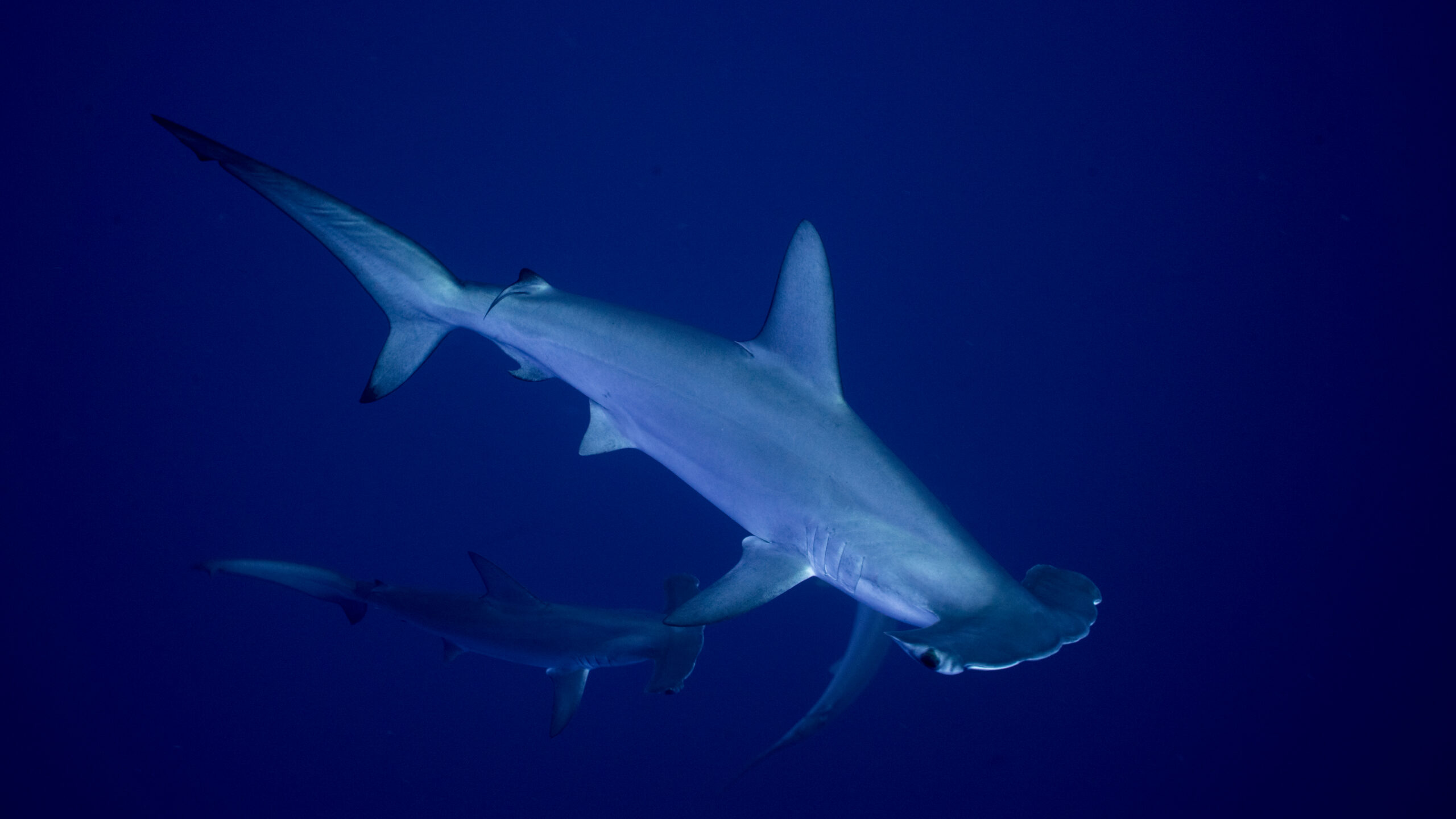
Global governments have taken a significant step towards conserving marine life by agreeing to extensive international trade bans and restrictions on sharks and rays, species that are increasingly endangered. Over 70 species, including the oceanic whitetip shark, whale shark, and manta ray, received enhanced protections under the Convention on International Trade in Endangered Species of Wild Fauna and Flora (CITES) during the treaty’s 20th Conference of the Parties (COP20) held in Samarkand, Uzbekistan.
CITES, a United Nations treaty, mandates countries to regulate or prohibit international trade in species whose survival is at risk. Sharks and rays, integral to marine ecosystems as apex predators, have been heavily fished and traded for years, contributing to a global market valued at nearly $1 billion annually, according to Luke Warwick, director of shark and ray conservation at the Wildlife Conservation Society (WCS). The adoption of these measures marks a pivotal moment in global efforts to combat the unsustainable demand for shark meat, fins, and other related products.
Diego Cardeñosa, an assistant professor at Florida International University and lead scientist at the school’s Predator Ecology and Conservation Lab, described the new protections as a “powerful step toward ensuring these species have a real chance at recovery.” Alarmingly, more than a third of shark and ray species are currently threatened with extinction, with pelagic shark populations declining by over 70 percent in the past 50 years. Additionally, reef sharks have nearly disappeared from one in five coral reefs worldwide.
Warwick highlighted the ongoing “extinction crisis” for these species, attributing it primarily to overfishing. Unlike commercially valuable fish such as tuna, which have been regulated for decades, sharks have not received similar protections and have often been treated like fast-reproducing seafood commodities. Sharks and rays mature slowly and produce few offspring; for instance, manta rays typically give birth to only seven live pups in their lifetime.
The exploitation of manta rays is driven largely by demand for their gill plates, which are used in certain traditional medicines in Asia, claiming to detoxify the body and enhance immunity, despite the lack of scientific support. Shark fins remain a luxury in Chinese cuisine, particularly in shark fin soup, while shark meat is increasingly viewed as a low-cost protein source. The oil extracted from deep-sea species like gulper sharks is utilized in cosmetics and pharmaceuticals, including COVID-19 vaccines.
Years of unregulated trade have led to population declines exceeding 80 percent in some regions. As Gabriel Vianna from the Charles Darwin Foundation pointed out, the cosmetic industry significantly drives the demand for shark products. He advocates for more sustainable alternatives, emphasizing the need to stop exploiting these species.
The recent decisions made at CITES represent a turning point in marine conservation. Historically, the convention focused on protecting iconic land species and charismatic marine creatures like sea turtles. It was not until the past decade that sharks and rays began to receive similar attention. At COP20, all proposed protections for these species were adopted with overwhelming support from CITES’ 185 member countries and the European Union, a precedent that had not been set before.
The European Union is a major player in the global shark meat trade, accounting for over 20 percent of imports and exports. Under the new regulations, gulper sharks, along with smoothhound and tope sharks, are now listed under CITES’ Appendix II, which requires member countries to regulate trade and confirm its sustainability. Some species, including oceanic whitetips and manta rays, have been elevated to Appendix I status, receiving the highest level of protection due to their critical extinction risk.
Cardeñosa noted the importance of these new listings, stating, “If you find an oceanic whitetip fin being traded, 90 days from now, that’s an illegal product.” For many advocates, the new protections bring mixed feelings. Vianna expressed both relief and concern, stating, “We are very happy but we are very sad at the same time. We shouldn’t be happy about this species being listed. We should actually be really worried that there’s such a problem with them.”
The effective implementation of these measures is crucial for the survival of these species. Research published by Cardeñosa and Warwick indicates that fins from previously listed shark species, such as the oceanic whitetip, were commonly found in Hong Kong, the world’s largest shark fin market, between 2015 and 2021. This discrepancy reveals significant enforcement gaps within the trade.
With the oceanic whitetip now classified under Appendix I, Cardeñosa hopes to close loopholes that have allowed illegal trade to persist. He emphasized that while the new listings will not eradicate illegal trade immediately, they will enhance the ability of nations to monitor and prosecute unlawful shipments. “Parties must invest in identification tools, capacity building, and routine monitoring if these protections are to translate into real reductions in illegal trade,” he stated.
The landmark decisions made at COP20 represent a crucial step in safeguarding marine biodiversity, reinforcing the urgent need for global cooperation in the fight against illegal wildlife trade and ensuring a sustainable future for sharks and rays.











Aerial Dancers Set to Dazzle in The Jungle Book at Persephone

Regina’s Pet Station Hosts Santa Photos, Builds Holiday Traditions

Korah’s Wired Weirdos Win Excellence Award at Robotics Competition

Dawson Creek Extends Emergency as Cold Snap Threatens Water Supply

Locals Urged to Secure Fresh Holiday Fare from Island Farms

Newcomers Learn to Skate with Elite Athletes in Quebec

Family Expert Shares Simple Strategies for Education Savings

Toronto Police Identify Suspect in October Cellphone Theft

Carney Pushes for Financial Accountability in First Nations Governance

Secwepemc First Nation Seeks Aboriginal Title Over Kamloops Area

Scientists Unearth Ancient Antarctic Ice to Unlock Climate Secrets

Trump and McCormick to Announce $70 Billion Energy Investments

TransLink Launches Food Truck Program to Boost Revenue in Vancouver

Four Astronauts Return to Earth After International Space Station Mission

Manitoba’s Burger Champion Shines Again Amid Dining Innovations

Apple Notes Enhances Functionality with Markdown Support in macOS 26

Urgent Update: Fatal Crash on Highway 99 Claims Life of Pitt Meadows Man

Homemade Houseboat ‘Neverlanding’ Captivates Lake Huron Voyagers
-
 Politics1 month ago
Secwepemc First Nation Seeks Aboriginal Title Over Kamloops Area
-
 World5 months ago
Scientists Unearth Ancient Antarctic Ice to Unlock Climate Secrets
-
 Entertainment5 months ago
Trump and McCormick to Announce $70 Billion Energy Investments
-
 Lifestyle5 months ago
TransLink Launches Food Truck Program to Boost Revenue in Vancouver
-
 Science5 months ago
Four Astronauts Return to Earth After International Space Station Mission
-
 Lifestyle3 months ago
Manitoba’s Burger Champion Shines Again Amid Dining Innovations
-
 Technology4 months ago
Apple Notes Enhances Functionality with Markdown Support in macOS 26
-
 Top Stories2 months ago
Urgent Update: Fatal Crash on Highway 99 Claims Life of Pitt Meadows Man
-
 Top Stories2 weeks ago
Homemade Houseboat ‘Neverlanding’ Captivates Lake Huron Voyagers
-

 Politics4 months ago
Ukrainian Tennis Star Elina Svitolina Faces Death Threats Online
-

 Sports5 months ago
Search Underway for Missing Hunter Amid Hokkaido Bear Emergency
-

 Politics5 months ago
Carney Engages First Nations Leaders at Development Law Summit