
Top Stories
India, U.S. Announce Urgent Trade Deal to Slash Tariffs Now

UPDATE: India and the United States have just announced a groundbreaking interim trade agreement aimed at reducing tariffs on Indian goods. This urgent development comes in the wake of U.S. President Donald Trump unveiling a plan to cut import tariffs on July 14, 2023, significantly impacting trade relations.
Under the new framework, tariffs on Indian goods will drop to 18 percent, down from 25 percent. This reduction follows Indian Prime Minister Narendra Modi‘s commitment to cease purchasing Russian oil, a key pivot in U.S.-India relations. The two nations describe the agreement as “reciprocal and mutually beneficial,” expressing their intent to work on a broader trade deal that promises enhanced market access and stronger supply chains.
The joint statement, released earlier today, emphasizes the need for further negotiations to formalize this agreement. In addition to lowering tariffs on Indian imports, India is expected to eliminate or reduce tariffs on a wide range of U.S. industrial goods and agricultural products. The U.S. is poised to benefit significantly, with Trump stating that India will aim to purchase US$500 billion worth of American products over the next five years, a move aimed at increasing access to U.S. markets.
Trump also announced the revocation of a previous 25 percent tariff on Indian goods, a decision that has sparked varied reactions. Modi expressed gratitude for Trump’s commitment to strengthening ties, remarking that the framework reflects the growing trust and dynamism of their partnership. He stated on social media that this agreement would deepen investment and technology collaborations.
However, the announcement has faced criticism from Indian opposition parties, who argue that the deal disproportionately favors the U.S. and could harm sensitive sectors like agriculture. Critics are particularly concerned about the potential negative impacts on agricultural jobs, which employ a significant portion of India’s population.
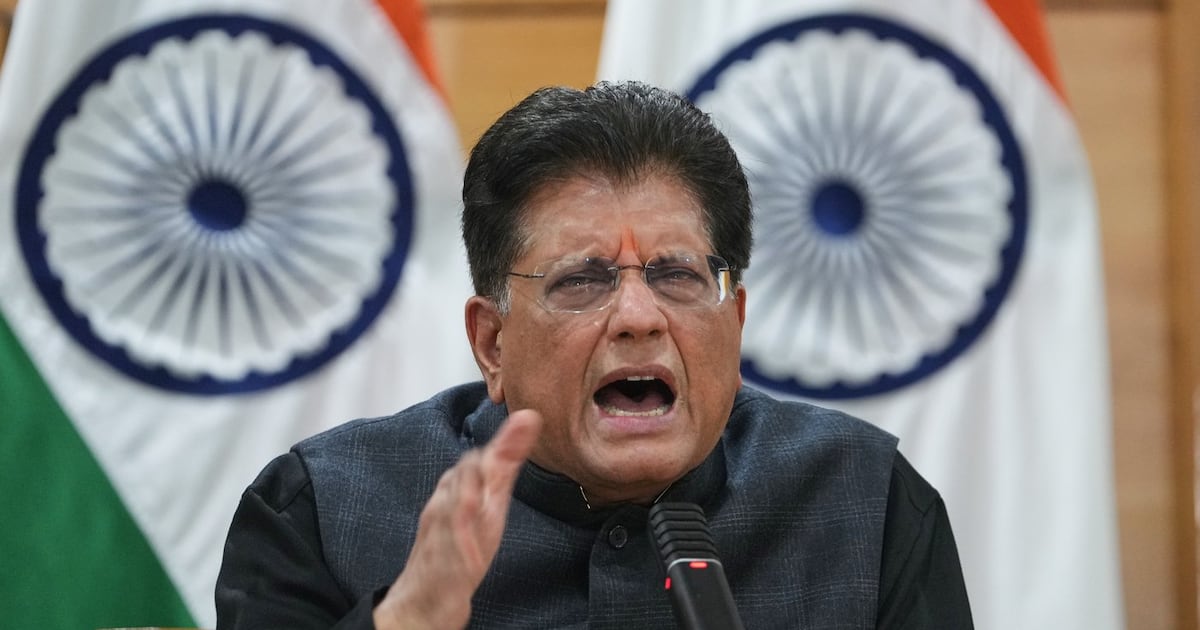
In defense of the agreement, Indian Trade Minister Piyush Goyal reassured stakeholders that the deal will protect sensitive agricultural products, including maize, wheat, and rice, while also enhancing the competitiveness of Indian exports. Goyal emphasized that this agreement could unlock a $30 trillion market for Indian exporters, potentially leading to hundreds of thousands of new jobs.
The timing of this agreement is critical, especially as India has recently concluded a free trade agreement with the European Union, which could affect billions of people by reducing tariffs across various sectors. Additionally, India signed a comprehensive economic partnership agreement with Oman in December and is in advanced talks for a free trade deal with New Zealand.
As the situation develops, all eyes are on the upcoming negotiations to finalize this trade deal. The implications for both the Indian and U.S. economies could be immense, making this a pivotal moment in international trade relations. Follow this story for the latest updates as negotiations unfold.









Fauna Robotics Unveils Sprout: A Humanoid Robot for Home Use

Team Canada Faces Goaltending Concerns Ahead of Olympics

Celebrating the Life of Irena Peritz: A Legacy of Love and Resilience

India, U.S. Announce Urgent Trade Deal to Slash Tariffs Now

American Airlines Pilots Challenge Management After Poor Results

Kirsten Hillman Concludes Historic Ambassadorial Tenure in Washington

Centenarian Mildred “Blondie” Siegel Celebrates 100 Years of Life

Experts Warn of Rapid Rise in AI-Generated Threats to Canada

Trump Faces Criticism as Super Bowl Approaches Without His Presence

Secwepemc First Nation Seeks Aboriginal Title Over Kamloops Area

Scientists Unearth Ancient Antarctic Ice to Unlock Climate Secrets

Urgent Fire Erupts at Salvation Army on Christmas Evening

Canadian Curler E.J. Harnden Announces Retirement from Competition

Manitoba’s Burger Champion Shines Again Amid Dining Innovations

Fatal Crash on Highway 11 Claims Three Lives, Major Closure Ongoing

Trump and McCormick to Announce $70 Billion Energy Investments

Four Astronauts Return to Earth After International Space Station Mission

TransLink Launches Food Truck Program to Boost Revenue in Vancouver
-
 Politics3 months ago
Secwepemc First Nation Seeks Aboriginal Title Over Kamloops Area
-
 World7 months ago
Scientists Unearth Ancient Antarctic Ice to Unlock Climate Secrets
-
 Top Stories1 month ago
Urgent Fire Erupts at Salvation Army on Christmas Evening
-
 Sports1 month ago
Canadian Curler E.J. Harnden Announces Retirement from Competition
-
 Lifestyle5 months ago
Manitoba’s Burger Champion Shines Again Amid Dining Innovations
-
 Top Stories2 months ago
Fatal Crash on Highway 11 Claims Three Lives, Major Closure Ongoing
-
 Entertainment7 months ago
Trump and McCormick to Announce $70 Billion Energy Investments
-
 Science7 months ago
Four Astronauts Return to Earth After International Space Station Mission
-
 Lifestyle7 months ago
TransLink Launches Food Truck Program to Boost Revenue in Vancouver
-

 Technology5 months ago
Apple Notes Enhances Functionality with Markdown Support in macOS 26
-

 Top Stories1 month ago
Blue Jays Sign Kazuma Okamoto: Impact on Bo Bichette’s Future
-

 Top Stories2 months ago
NHL Teams Inquire About Marc-André Fleury’s Potential Return