
Top Stories
Liberal Government to Reject Poilievre’s Pipeline Motion Today

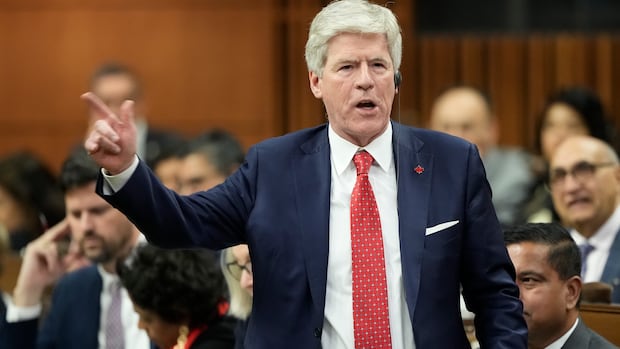
UPDATE: The Liberal government is set to vote against Conservative Leader Pierre Poilievre’s motion today calling for a new oil pipeline to the Pacific. This urgent decision raises significant questions about the future of Canada’s energy strategy amid ongoing debates on climate commitments.
The motion, which seeks to back a pipeline transporting one million barrels of Alberta bitumen to the coast for export to Asia, has been dismissed by Liberal ministers as a political stunt. Tim Hodgson, Natural Resources Minister, stated the motion selectively highlights parts of a more comprehensive agreement signed last month between Prime Minister Mark Carney and Alberta Premier Danielle Smith.
“I believe Canadians see this for what it is: a cynical ploy to divide us,” Hodgson told reporters. The Conservative motion aims to expose divisions within the Liberal caucus, particularly as some members express concerns about the environmental implications of the proposed pipeline.
In a heated interview, Poilievre criticized the Liberal government, insisting that today’s vote is a test of their commitment to building the pipeline. He framed it as a challenge for Carney to “put up or shut up” regarding his promises, which has resonated with many Canadians eager for clarity on energy policy.
However, Liberal ministers assert that rejecting the motion does not equate to abandoning the memorandum of understanding with Alberta. Hodgson emphasized that the deal includes crucial components beyond the pipeline, such as electricity interties and carbon capture initiatives, which are vital for a balanced approach to resource development.
Criticism of Poilievre’s motion is also coming from Mandy Gull-Masty, Indigenous Services Minister, who labeled it “an immature waste of parliamentary time” and an “insult towards Indigenous peoples.” She pointed out that the motion neglects important commitments to Indigenous consultation and co-ownership, elements crucial to the agreement.
The stakes are high: the decision could impact Indigenous communities, climate goals, and Canada’s economic future. Corey Hogan, a Liberal MP from Alberta, expressed frustration over the motion, highlighting the dilemma it creates for the Liberal government. “This is designed to poke at people,” he said, emphasizing that voting yes risks undermining future negotiations with Indigenous groups.
As the vote approaches, Conservative MP Ellis Ross, a First Nations leader, accused the Liberals of inconsistency regarding their commitment to the pipeline. “Canadians deserve a clear answer — yes or no,” he stated, pressing for transparency on the government’s intentions.
The underlying agreement between Carney and Smith positions the proposed pipeline as a project of “national interest,” which may exempt it from certain federal laws once Indigenous consultations are complete. Alberta is aiming to present its plans for expedited review by July 1, with the goal of breaking ground on the project by 2029.
As the vote unfolds today, the outcome could define the trajectory of Canada’s energy policy amid a contentious political landscape. Stay tuned for the latest developments as this urgent situation evolves.












Morris Churches Unite for Annual Good Friday Walk With the Cross

Chloe Zhao’s ‘Buffy’ Reboot Cancelled: Sarah Michelle Gellar Speaks Out

Essential Ingredients for Life Found in Ryugu Asteroid Samples

Urgent Rescue: NSR Airlifts Injured Climber from Nanaimo

Riverside Heart Ball Achieves Record $815,000 for Mental Health

Cognizant Launches AI Factory to Enhance Enterprise AI Scalability

Samsung’s Galaxy Watch 9 to Feature Larger Battery Than Before

Toronto’s AIDS Memorial Faces Potential Redesign Amid Community Concerns

Bayern Munich Loses Luis Díaz Red Card Appeal Despite Referee’s Admission

Secwepemc First Nation Seeks Aboriginal Title Over Kamloops Area

Fatal Crash on Highway 11 Claims Three Lives, Major Closure Ongoing

Manitoba’s Burger Champion Shines Again Amid Dining Innovations

Canadian Curler E.J. Harnden Announces Retirement from Competition

Urgent Fire Erupts at Salvation Army on Christmas Evening

Scientists Unearth Ancient Antarctic Ice to Unlock Climate Secrets

Minister Faces Scrutiny Over Delayed Foreign Interference Watchdog Appointment

Trump and McCormick to Announce $70 Billion Energy Investments

Monika Hibbs Unveils Acres Market & Interiors in Major Rebrand
-
 Politics5 months ago
Secwepemc First Nation Seeks Aboriginal Title Over Kamloops Area
-
 Top Stories4 months ago
Fatal Crash on Highway 11 Claims Three Lives, Major Closure Ongoing
-
 Lifestyle7 months ago
Manitoba’s Burger Champion Shines Again Amid Dining Innovations
-
 Sports3 months ago
Canadian Curler E.J. Harnden Announces Retirement from Competition
-
 Top Stories3 months ago
Urgent Fire Erupts at Salvation Army on Christmas Evening
-
 World9 months ago
Scientists Unearth Ancient Antarctic Ice to Unlock Climate Secrets
-
 World5 months ago
Minister Faces Scrutiny Over Delayed Foreign Interference Watchdog Appointment
-
 Entertainment9 months ago
Trump and McCormick to Announce $70 Billion Energy Investments
-
 Lifestyle9 months ago
Monika Hibbs Unveils Acres Market & Interiors in Major Rebrand
-

 Science9 months ago
Four Astronauts Return to Earth After International Space Station Mission
-

 Lifestyle9 months ago
TransLink Launches Food Truck Program to Boost Revenue in Vancouver
-

 World1 month ago
Ranchman’s Cookhouse & Dancehall to Relocate by Early 2027