
Top Stories
New Brunswick’s Bilingual Identity at Risk Amid Immigration Shortfalls

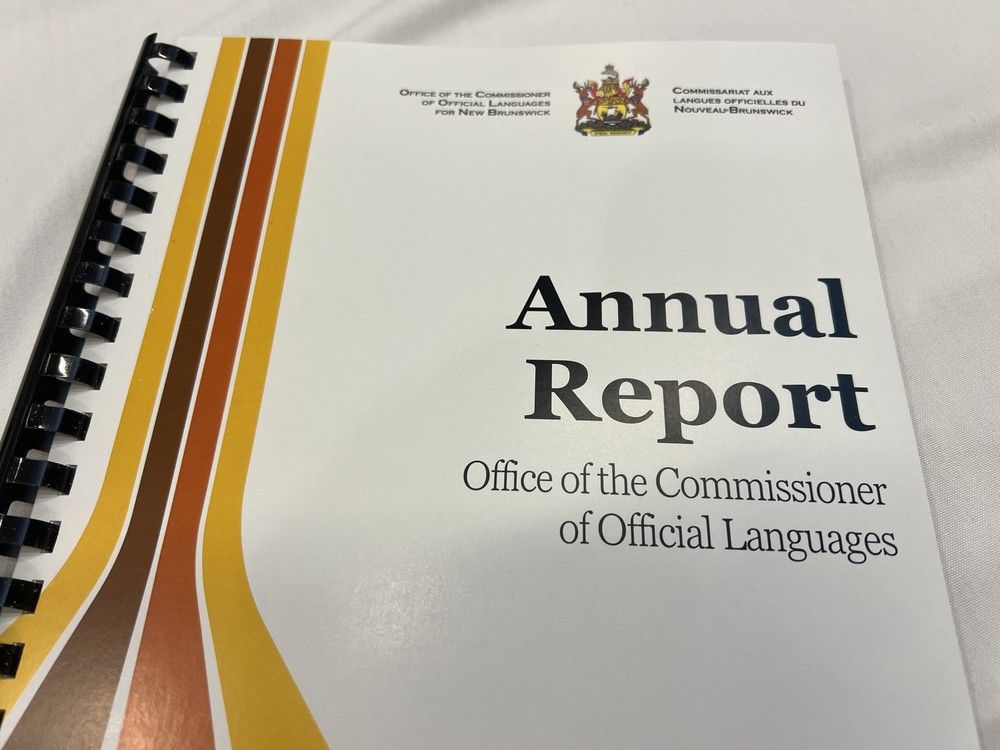
New Brunswick is facing challenges in maintaining its bilingual identity, as recent immigration figures reveal a significant shortfall in the number of French-speaking newcomers. This concern was highlighted in a report released by Shirley MacLean, the province’s official languages commissioner, on March 12, 2024. The province has consistently failed to meet its target of having at least one-third of newcomers identified as francophone.
According to census data, the proportion of residents in New Brunswick who primarily speak French at home has declined from 28 percent in 2016 to 26.4 percent in 2021. This downward trend has persisted for decades and has prompted the provincial government to implement various strategies aimed at preserving its unique demographic identity through targeted immigration.
In 2014, New Brunswick initiated its first francophone action plan, which aimed for 33 percent of newcomers under its provincial nominee program to be francophones or francophiles by 2020. The introduction of the Atlantic Immigration Pilot Program in 2017 shifted these goals, extending the target date to 2024. Despite these efforts, recent statistics reveal that the province has not only missed its francophone goals but has also seen a further decline in the percentage of French-speaking immigrants.
In 2020, only 22 percent of candidates entering New Brunswick through the Atlantic immigration pilot and provincial nominee program were French-speaking, with 72 percent identifying as English-speaking. By 2022, the number of French speakers increased to 25 percent, but this figure plummeted again to 21 percent by 2024, with just one percent of candidates being bilingual.
“I believe we must address the decline of the French language in New Brunswick in an aggressive manner,” MacLean stated in her report. “A language can be lost – let’s be vigilant. Doing so will benefit all New Brunswickers.”
The implications of these trends could have lasting effects on the cultural fabric of New Brunswick, which stands as Canada’s only officially bilingual province. As the government continues to set and reassess immigration targets, the challenge remains to ensure that both the French and English languages can thrive in the region.
Moving forward, the provincial government is expected to reevaluate its strategies for attracting French-speaking immigrants in a bid to reverse this trend. The focus will likely shift towards more effective recruitment and integration practices to bolster the francophone community in New Brunswick.
As the situation develops, stakeholders will be watching closely to see how the province addresses these pressing challenges in preserving its bilingual identity while fostering a diverse and inclusive society.












Morris Churches Unite for Annual Good Friday Walk With the Cross

Chloe Zhao’s ‘Buffy’ Reboot Cancelled: Sarah Michelle Gellar Speaks Out

Essential Ingredients for Life Found in Ryugu Asteroid Samples

Urgent Rescue: NSR Airlifts Injured Climber from Nanaimo

Riverside Heart Ball Achieves Record $815,000 for Mental Health

Cognizant Launches AI Factory to Enhance Enterprise AI Scalability

Samsung’s Galaxy Watch 9 to Feature Larger Battery Than Before

Toronto’s AIDS Memorial Faces Potential Redesign Amid Community Concerns

Bayern Munich Loses Luis Díaz Red Card Appeal Despite Referee’s Admission

Secwepemc First Nation Seeks Aboriginal Title Over Kamloops Area

Fatal Crash on Highway 11 Claims Three Lives, Major Closure Ongoing

Manitoba’s Burger Champion Shines Again Amid Dining Innovations

Canadian Curler E.J. Harnden Announces Retirement from Competition

Urgent Fire Erupts at Salvation Army on Christmas Evening

Scientists Unearth Ancient Antarctic Ice to Unlock Climate Secrets

Trump and McCormick to Announce $70 Billion Energy Investments

Minister Faces Scrutiny Over Delayed Foreign Interference Watchdog Appointment

Four Astronauts Return to Earth After International Space Station Mission
-
 Politics5 months ago
Secwepemc First Nation Seeks Aboriginal Title Over Kamloops Area
-
 Top Stories4 months ago
Fatal Crash on Highway 11 Claims Three Lives, Major Closure Ongoing
-
 Lifestyle7 months ago
Manitoba’s Burger Champion Shines Again Amid Dining Innovations
-
 Sports3 months ago
Canadian Curler E.J. Harnden Announces Retirement from Competition
-
 Top Stories3 months ago
Urgent Fire Erupts at Salvation Army on Christmas Evening
-
 World9 months ago
Scientists Unearth Ancient Antarctic Ice to Unlock Climate Secrets
-
 Entertainment9 months ago
Trump and McCormick to Announce $70 Billion Energy Investments
-
 World5 months ago
Minister Faces Scrutiny Over Delayed Foreign Interference Watchdog Appointment
-
 Science9 months ago
Four Astronauts Return to Earth After International Space Station Mission
-

 Lifestyle9 months ago
Monika Hibbs Unveils Acres Market & Interiors in Major Rebrand
-

 Lifestyle9 months ago
TransLink Launches Food Truck Program to Boost Revenue in Vancouver
-

 World1 month ago
Ranchman’s Cookhouse & Dancehall to Relocate by Early 2027