
Top Stories
Ocado Secures $350 Million from Kroger Amid Warehouse Closures

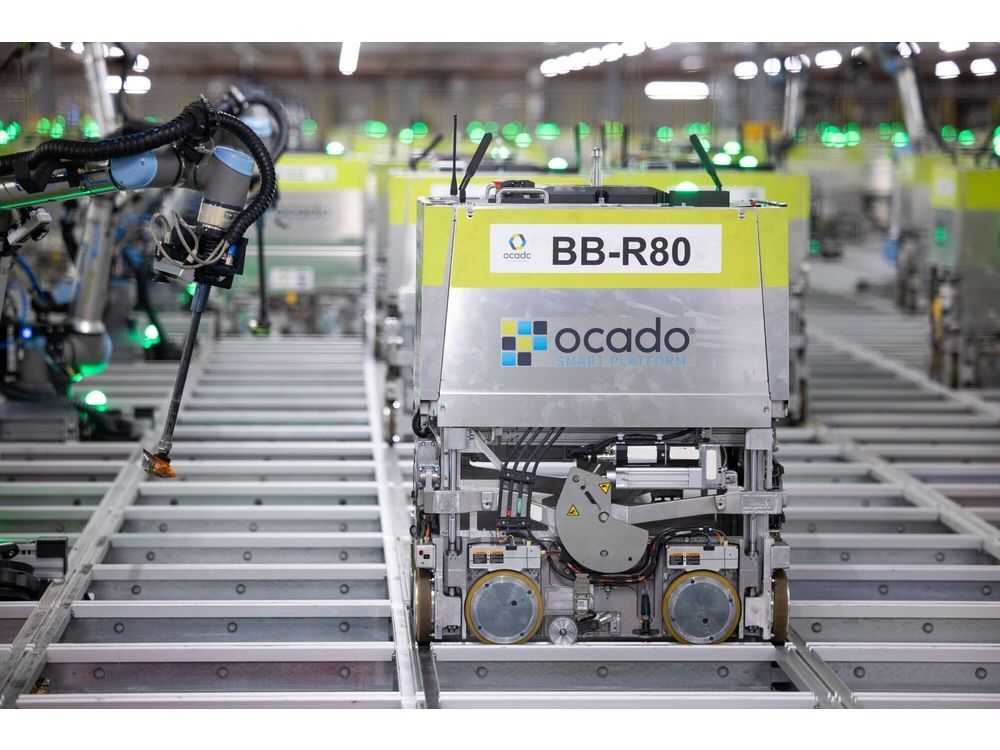
UPDATE: Ocado Group Plc has just secured a significant one-time cash payment of $350 million from Kroger Co. as the US grocery giant closes three automated warehouses and retracts its ambitious expansion plans. This urgent financial development comes after Kroger, the largest customer of Ocado’s warehouse technology, announced the closures last month, citing disappointing financial performance.
The $350 million payment includes $250 million already disclosed by Ocado, which is set to be received in January 2024. This financial boost is critical for Ocado as it aims to achieve cash flow positivity during its 2026 financial year through stringent cost management and growth strategies.
Kroger’s decision to pull back from its partnership, which began in 2018, has sent shockwaves through the grocery tech sector. The retailer reported a staggering $2.6 billion impairment, opting to fulfill online orders from its store network instead of relying on Ocado’s automated facilities. This pivot marks a significant shift in Kroger’s operational strategy, impacting not just Ocado but the entire grocery delivery landscape.
In a move to retain some operational continuity, Ocado confirmed it will continue working with Kroger on its remaining five sites, including a new fulfillment center set to open in Phoenix, Arizona next year. However, plans for a site in Charlotte, North Carolina, have been scrapped, further highlighting the volatility of their partnership.
Despite this setback, Ocado’s shares surged by as much as 16% in early London trading, marking its most substantial intraday gain since July. Nonetheless, the stock remains down by approximately one-third this year, reflecting investor concerns about the long-term viability of its technology amidst these changes.
Ocado has previously touted its potential to revolutionize grocery logistics, with CEO Tim Steiner claiming the company could become the “Tesla of grocery.” However, the ongoing challenges in demonstrating the profitability of its capital-intensive technology raise questions about its future growth in the US market.
As the situation develops, industry observers are keenly watching how Ocado navigates this turbulent landscape. The loss of exclusivity with Kroger could signal broader implications for its relationships with other retail partners, including international clients like Aeon of Japan and Coles in Australia.
In light of these events, the grocery sector is poised for transformation as companies reassess their strategies to meet rising consumer demands for online shopping. As Ocado continues to realign its focus, the coming months will be crucial in determining the company’s path forward in an increasingly competitive market.
Stay tuned for more updates as this story unfolds.













Maple Leafs Triumph Over Canes, Face Goaltending Crisis

Kishwaukee College to Celebrate Fall Graduates on December 13

Renewed Fighting in Eastern Congo Undermines Peace Agreement

Calgary Faces Domestic Violence Crisis: Urgent Action Required

Discover 3 Festive Recipes from Dan Pelosi’s New Cookbook

Radiothon Launches to Equip Victoria Hospital Expansion

Netflix Confirms $72B Acquisition of Warner Bros. Discovery

Acute Care Alberta Extends $34M Contract Amid Procurement Probes

Ambassador Bridge Fees Surge $2 by January 2026

Secwepemc First Nation Seeks Aboriginal Title Over Kamloops Area

Scientists Unearth Ancient Antarctic Ice to Unlock Climate Secrets

Trump and McCormick to Announce $70 Billion Energy Investments

Four Astronauts Return to Earth After International Space Station Mission

TransLink Launches Food Truck Program to Boost Revenue in Vancouver

Apple Notes Enhances Functionality with Markdown Support in macOS 26

Manitoba’s Burger Champion Shines Again Amid Dining Innovations

Urgent Update: Fatal Crash on Highway 99 Claims Life of Pitt Meadows Man

Ukrainian Tennis Star Elina Svitolina Faces Death Threats Online
-
 Politics4 weeks ago
Secwepemc First Nation Seeks Aboriginal Title Over Kamloops Area
-
 World5 months ago
Scientists Unearth Ancient Antarctic Ice to Unlock Climate Secrets
-
 Entertainment5 months ago
Trump and McCormick to Announce $70 Billion Energy Investments
-
 Science5 months ago
Four Astronauts Return to Earth After International Space Station Mission
-
 Lifestyle5 months ago
TransLink Launches Food Truck Program to Boost Revenue in Vancouver
-
 Technology3 months ago
Apple Notes Enhances Functionality with Markdown Support in macOS 26
-
 Lifestyle3 months ago
Manitoba’s Burger Champion Shines Again Amid Dining Innovations
-
 Top Stories2 months ago
Urgent Update: Fatal Crash on Highway 99 Claims Life of Pitt Meadows Man
-
 Politics4 months ago
Ukrainian Tennis Star Elina Svitolina Faces Death Threats Online
-
 Sports5 months ago
Search Underway for Missing Hunter Amid Hokkaido Bear Emergency
-
 Politics5 months ago
Carney Engages First Nations Leaders at Development Law Summit
-

 Technology5 months ago
Frosthaven Launches Early Access on July 31, 2025