
Top Stories
Sir Wilfrid Laurier: From Confederation Opponent to Prime Ministerial Success

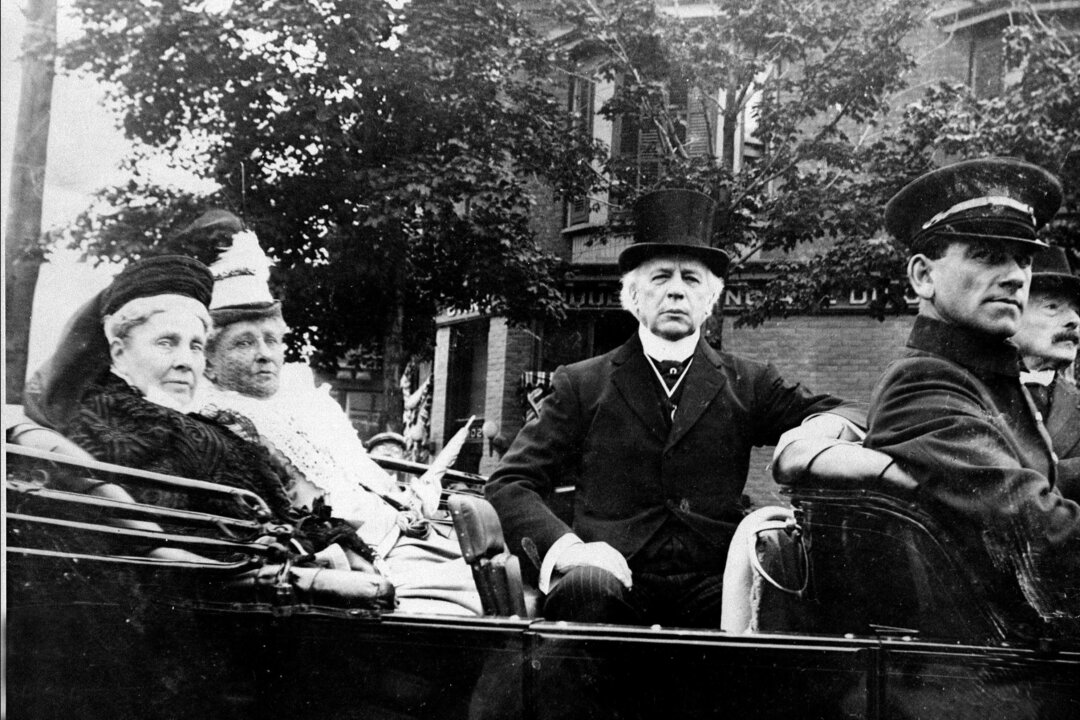
BREAKING NEWS: New findings reveal the complex political journey of Sir Wilfrid Laurier, one of Canada’s most influential leaders, highlighting his evolution from a staunch opponent of Confederation to a celebrated Prime Minister. This transformation, rooted in his early years, resonates deeply within Canadian history as it underscores the ongoing dialogue about national identity.
Sir Wilfrid Laurier, who led the national Liberal Party from 1887 to 1919, served as Prime Minister for a significant portion of that time. His leadership not only shaped Canada’s political landscape but also saw the addition of two new provinces to the Confederation. Laurier’s tenure was marked by pivotal moments, such as his attendance at Queen Victoria’s Diamond Jubilee in 1897, where he was honored with a knighthood.
However, Laurier’s path to becoming a prominent statesman was anything but straightforward. Earlier in his career, he was a passionate critic of the Confederation and the British Empire. As a liberal nationalist, Laurier believed fervently in the autonomy of French Canadians, advocating for their independence from English Canada and the broader imperial structure. His early political stance, described as “a Rouge and a separatist,” positioned him against the prevailing political currents of his time, which sought to unify the diverse Canadian populace under a single national identity.
In a pivotal moment during his leadership, Laurier faced the challenge of sending volunteers to join Canada’s first overseas military expedition in the Boer War. Despite his reservations, this decision led to Canada’s first overseas military victory at Paardeberg in February 1900. This victory not only boosted national pride but also marked a significant step in Canada’s growing independence on the world stage.
Understanding Laurier’s transformation offers crucial insight into the ongoing discussions about Canadian identity and unity. His initial resistance to Confederation reflects a broader struggle within Canada, particularly among French Canadians, who grappled with their place in a rapidly evolving nation. This historical context remains relevant today as Canada continues to navigate its diverse cultural landscape.
Looking ahead, historians and political analysts are closely monitoring how Laurier’s legacy may influence current debates about national identity and governance in Canada. As discussions around unity and diversity intensify, Laurier’s journey may serve as a vital reference point for understanding the complexities of Canadian society.
Stay tuned for further updates as new insights into Sir Wilfrid Laurier’s life and legacy continue to unfold.













B.C. Paramedics Prepare for Strike Vote Amid Contract Stalemate

B.C. Real Estate Agent Wilson Su Fined $10,000 for Misconduct

Digital Music Player DAP-1 Revives High-Quality Audio Experience

Peace Walk in Windsor Draws 88 Participants for Kindness

Trayce Jackson-Davis Excited to Join Toronto Raptors

Engage with February Programs at Plano Public Library

Japan’s Takaichi Aims for Electoral Victory Amid Rising Tensions

Ohio Man Charged with Threatening Vice President Vance, Faces 20 Years

Concerns Rise Over America’s Political Landscape and Democracy

Secwepemc First Nation Seeks Aboriginal Title Over Kamloops Area

Scientists Unearth Ancient Antarctic Ice to Unlock Climate Secrets

Urgent Fire Erupts at Salvation Army on Christmas Evening

Canadian Curler E.J. Harnden Announces Retirement from Competition

Manitoba’s Burger Champion Shines Again Amid Dining Innovations

Fatal Crash on Highway 11 Claims Three Lives, Major Closure Ongoing

Trump and McCormick to Announce $70 Billion Energy Investments

Four Astronauts Return to Earth After International Space Station Mission

TransLink Launches Food Truck Program to Boost Revenue in Vancouver
-
 Politics3 months ago
Secwepemc First Nation Seeks Aboriginal Title Over Kamloops Area
-
 World7 months ago
Scientists Unearth Ancient Antarctic Ice to Unlock Climate Secrets
-
 Top Stories1 month ago
Urgent Fire Erupts at Salvation Army on Christmas Evening
-
 Sports1 month ago
Canadian Curler E.J. Harnden Announces Retirement from Competition
-
 Lifestyle5 months ago
Manitoba’s Burger Champion Shines Again Amid Dining Innovations
-
 Top Stories2 months ago
Fatal Crash on Highway 11 Claims Three Lives, Major Closure Ongoing
-
 Entertainment7 months ago
Trump and McCormick to Announce $70 Billion Energy Investments
-
 Science7 months ago
Four Astronauts Return to Earth After International Space Station Mission
-
 Lifestyle7 months ago
TransLink Launches Food Truck Program to Boost Revenue in Vancouver
-

 Technology5 months ago
Apple Notes Enhances Functionality with Markdown Support in macOS 26
-

 Top Stories1 month ago
Blue Jays Sign Kazuma Okamoto: Impact on Bo Bichette’s Future
-

 Top Stories2 months ago
NHL Teams Inquire About Marc-André Fleury’s Potential Return