
Top Stories
Somali Community in Minnesota Feels Fear After Trump’s Tirade

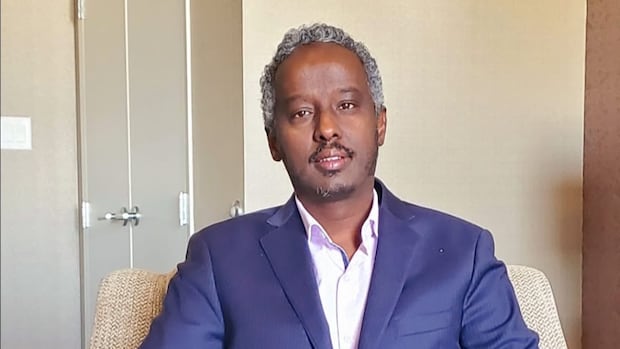
UPDATE: Tensions are escalating within the Somali community in Minnesota following U.S. President Donald Trump‘s inflammatory comments during a cabinet meeting on December 3. Trump labeled Somalis as “garbage” and expressed a desire to keep them out of the country, igniting fear and anger among local residents.
Community advocates report that the president’s derogatory remarks come at a time when federal authorities are reportedly preparing a targeted immigration enforcement operation against undocumented Somalis in the state. Sources indicate that the operation may focus on individuals living illegally in the U.S., further exacerbating an already tense environment for the community.
“This situation has reached a point where people feel insecure and live in fear,” said Awil Shire Wariye, a community journalist. He emphasized that the hostile rhetoric contradicts the values of safety and human rights that the United States stands for.
Ahmed Abdulkadir, a community leader based in Edmonton, expressed his alarm, stating, “Racism, racism, that’s what’s happening.” He fears that such narratives could lead to unjust treatment of law-abiding immigrants and citizens.
Minneapolis Mayor Jacob Frey defended the Somali community, stating they have been a significant economic and cultural asset to the area, which is home to approximately 80,000 residents of Somali descent.
The Somali population in the U.S. is estimated at 260,000, with the largest concentration in the Minneapolis-St. Paul area. Many have fled conflict in Somalia over the decades, including violence from the radical group al-Shabaab. The community has contributed to revitalizing neighborhoods by opening businesses and participating in local governance.
However, recent reports indicate that Somali individuals, including U.S. citizens, have faced questioning and detainment by Immigration and Customs Enforcement (ICE). State Senator Zaynab Mohamed noted that even those with valid identification have been targeted based solely on their appearance. “They’re targeting if you look like Somali,” she said, warning of the implications for other minority groups.
Community leaders are reporting increased incidents of harassment, with women and girls in hijabs feeling especially vulnerable. “I’m worried somebody might see the news and assume they are bad people,” Abdulkadir added, highlighting the profound consequences of Trump’s statements.
Despite the fear, community members remain resilient. “We are scared, but we’re united,” said Abdirahman Warsame, executive director of Generation Hope, a nonprofit for mental health in the East African community. Warsame expressed concern over the impact of ICE operations on families, stating, “The president has signed the death warrant for several Somali citizens and immigrants.”
Minnesota Governor Tim Walz condemned Trump’s remarks as unprecedented for a U.S. president, stating that they have deeply affected the community, including children who now feel dehumanized. “We’ve got little children going to school today who their president called them garbage,” he stated.
As the situation develops, community members are bracing for what lies ahead, with many advocating for unity and support. “The silver lining of this is that this only makes us stronger,” Warsame concluded.
The emotional weight of Trump’s comments continues to resonate within the Somali community, heightening concerns about safety, discrimination, and the future of their presence in the U.S. As authorities prepare for the upcoming immigration operation, the community watches closely, advocating for their rights and dignity in the face of adversity.











LeBron James’ Streak Ends as Lakers Edge Raptors 123-120

Richmond-Burton Secures First Win of Season with 72-43 Victory

Four Charged in Vaughan Kidnapping Case After Victim Rescued

Somali Community in Minnesota Feels Fear After Trump’s Tirade

Urgent Report: Food Bank Use Surges 45% Among Families in Manitoba

Calgary Referee Drew Fischer to Officiate MLS Cup Final Saturday

Mini Horse Nugget Begins Therapy Journey After Dog Mauling

Urgent: One Arrested After Downtown Prince George Apartment Fire

Filipino BC Urged for Immediate Transparency on Festival Funds

Secwepemc First Nation Seeks Aboriginal Title Over Kamloops Area

Scientists Unearth Ancient Antarctic Ice to Unlock Climate Secrets

Trump and McCormick to Announce $70 Billion Energy Investments

Four Astronauts Return to Earth After International Space Station Mission

TransLink Launches Food Truck Program to Boost Revenue in Vancouver

Apple Notes Enhances Functionality with Markdown Support in macOS 26

Manitoba’s Burger Champion Shines Again Amid Dining Innovations

Urgent Update: Fatal Crash on Highway 99 Claims Life of Pitt Meadows Man

Ukrainian Tennis Star Elina Svitolina Faces Death Threats Online
-
 Politics4 weeks ago
Secwepemc First Nation Seeks Aboriginal Title Over Kamloops Area
-
 World5 months ago
Scientists Unearth Ancient Antarctic Ice to Unlock Climate Secrets
-
 Entertainment5 months ago
Trump and McCormick to Announce $70 Billion Energy Investments
-
 Science5 months ago
Four Astronauts Return to Earth After International Space Station Mission
-
 Lifestyle5 months ago
TransLink Launches Food Truck Program to Boost Revenue in Vancouver
-
 Technology3 months ago
Apple Notes Enhances Functionality with Markdown Support in macOS 26
-
 Lifestyle3 months ago
Manitoba’s Burger Champion Shines Again Amid Dining Innovations
-
 Top Stories2 months ago
Urgent Update: Fatal Crash on Highway 99 Claims Life of Pitt Meadows Man
-
 Politics4 months ago
Ukrainian Tennis Star Elina Svitolina Faces Death Threats Online
-

 Sports5 months ago
Search Underway for Missing Hunter Amid Hokkaido Bear Emergency
-
 Politics5 months ago
Carney Engages First Nations Leaders at Development Law Summit
-

 Technology5 months ago
Frosthaven Launches Early Access on July 31, 2025