
Top Stories
Strong U.S. Jobs Data Pushes Dow Jones and Indexes Lower


The latest report on non-farm payrolls (NFP) has caused U.S. stock benchmarks to reverse early gains, as traders recalibrate expectations regarding interest rate cuts. Following the release of the strong employment data, the Dow Jones Industrial Average, along with the Nasdaq and S&P 500, faced renewed pressure, highlighting the ongoing volatility in the markets.
U.S. Labor Market Shows Strength
The NFP report, released on March 1, 2024, indicated robust job growth, adding 300,000 jobs in February, significantly exceeding analysts’ forecasts of 200,000 jobs. This surge in employment reflects a strengthening trend in the U.S. labor market, which has proven challenging for traders to navigate. The report also revealed a slight decrease in the unemployment rate to 3.5%, suggesting a tight labor market.
The immediate market reaction was pronounced. The Dow Jones, which had initially shown promise by approaching the 50,000 mark, retreated as investors began pricing out anticipated interest rate cuts from the Federal Reserve. The market now grapples with the implications of sustained labor market strength on monetary policy.
Market Dynamics and Technical Levels
Traders are closely monitoring technical levels for major indices, particularly the Dow Jones, Nasdaq, and S&P 500, as they test recent highs. The Dow is facing resistance at the 50,000 level, a psychological benchmark that traders will be keen to watch in the coming days. Meanwhile, the Nasdaq and S&P 500 are also facing key resistance levels that could dictate market direction in the near term.
As the Federal Reserve continues to evaluate its approach to interest rates, the strength of the labor market adds complexity to their decision-making process. Analysts suggest that if job growth remains robust, the central bank may opt for a more hawkish stance, which could further impact stock valuations.
Market sentiment remains cautious as investors weigh the implications of this strong labor data against potential economic headwinds, including inflationary pressures. With the upcoming Federal Reserve meeting scheduled for March 15, 2024, all eyes will be on policymakers as they respond to the changing economic landscape.
The volatility seen in today’s trading serves as a reminder of the interconnected nature of economic data and market performance. As traders adjust their strategies in response to the latest NFP report, the focus will undoubtedly remain on the labor market’s trajectory and its impact on future monetary policy.













Morris Churches Unite for Annual Good Friday Walk With the Cross

Chloe Zhao’s ‘Buffy’ Reboot Cancelled: Sarah Michelle Gellar Speaks Out

Essential Ingredients for Life Found in Ryugu Asteroid Samples

Urgent Rescue: NSR Airlifts Injured Climber from Nanaimo

Riverside Heart Ball Achieves Record $815,000 for Mental Health

Cognizant Launches AI Factory to Enhance Enterprise AI Scalability

Samsung’s Galaxy Watch 9 to Feature Larger Battery Than Before

Toronto’s AIDS Memorial Faces Potential Redesign Amid Community Concerns

Bayern Munich Loses Luis Díaz Red Card Appeal Despite Referee’s Admission

Secwepemc First Nation Seeks Aboriginal Title Over Kamloops Area

Fatal Crash on Highway 11 Claims Three Lives, Major Closure Ongoing

Manitoba’s Burger Champion Shines Again Amid Dining Innovations

Canadian Curler E.J. Harnden Announces Retirement from Competition

Urgent Fire Erupts at Salvation Army on Christmas Evening

Scientists Unearth Ancient Antarctic Ice to Unlock Climate Secrets

Minister Faces Scrutiny Over Delayed Foreign Interference Watchdog Appointment

Trump and McCormick to Announce $70 Billion Energy Investments

Monika Hibbs Unveils Acres Market & Interiors in Major Rebrand
-
 Politics5 months ago
Secwepemc First Nation Seeks Aboriginal Title Over Kamloops Area
-
 Top Stories4 months ago
Fatal Crash on Highway 11 Claims Three Lives, Major Closure Ongoing
-
 Lifestyle7 months ago
Manitoba’s Burger Champion Shines Again Amid Dining Innovations
-
 Sports3 months ago
Canadian Curler E.J. Harnden Announces Retirement from Competition
-
 Top Stories4 months ago
Urgent Fire Erupts at Salvation Army on Christmas Evening
-
 World9 months ago
Scientists Unearth Ancient Antarctic Ice to Unlock Climate Secrets
-
 World5 months ago
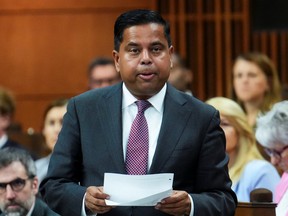
Minister Faces Scrutiny Over Delayed Foreign Interference Watchdog Appointment
-
 Entertainment9 months ago
Trump and McCormick to Announce $70 Billion Energy Investments
-
 Lifestyle9 months ago
Monika Hibbs Unveils Acres Market & Interiors in Major Rebrand
-

 Science9 months ago
Four Astronauts Return to Earth After International Space Station Mission
-

 Lifestyle9 months ago
TransLink Launches Food Truck Program to Boost Revenue in Vancouver
-

 World1 month ago
Ranchman’s Cookhouse & Dancehall to Relocate by Early 2027