
Top Stories
Toronto Residents Support Trash Incineration Amid Climate Concerns

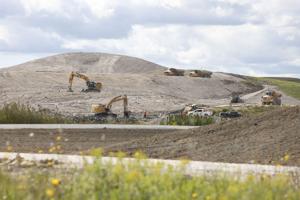
UPDATE: A new city report reveals that 79% of Toronto residents support the incineration of the city’s trash as a solution to the growing landfill crisis. This urgent development comes as the Green Lane Landfill, the current repository for nearly all of Toronto’s waste, is projected to reach capacity by 2035.
The report, released on Friday, reflects feedback from over 11,000 participants in public consultations held earlier this year. It highlights a growing concern among residents about the sustainability of current waste management practices. As the city grapples with its waste disposal strategy, the support for incineration is notable, especially given the environmental implications.
While many residents see incineration as a viable alternative, climate advocates are sounding alarms. The Toronto Environmental Alliance (TEA) has publicly denounced the report, accusing city officials of disseminating misleading information regarding the environmental impact of incineration. Emily Alfred, a senior waste campaigner with TEA, stated, “If you ask the public whether they want to turn their garbage into magical fairy dust with little to no climate or environmental impact, I’m not surprised that they would say yes.” TEA claims that incineration produces significantly more greenhouse gas emissions compared to modern landfills.
In response to these criticisms, Atif Durrani, a project director in the city’s solid waste management division, assured residents that the consultation process was conducted transparently and by third-party experts. He stated that the city is committed to “evidence-based decision making” and would continue to evaluate the public health, greenhouse gas emissions, and air quality impacts as discussions about incineration progress.
The urgency of this matter is amplified by the significant amount of waste Toronto generates. Last year, the city managed over 850,000 tonnes of waste, diverting only 350,000 tonnes through recycling and organic programs. The remaining 418,000 tonnes were sent to the Green Lane Landfill, raising questions about the sustainability of Toronto’s waste management strategy moving forward.
As Toronto explores its options, it has also issued a request for expressions of interest from municipalities within a 500 km radius regarding potential waste disposal partnerships. However, the report indicates that no municipalities expressed interest in collaborating on this front.
The Oneida Nation of the Thames, located adjacent to the Green Lane Landfill, has also raised concerns about any potential expansion of the landfill. Leaders from the First Nation are advocating for consultation regarding landfill operations, including possible projects that could generate revenue for their community.
With the city planning to continue its evaluation of waste disposal methods, officials are set to report back with their findings by 2027. As the debate over incineration intensifies, residents are urged to stay informed about the evolving discussions and their potential impact on Toronto’s environmental future.
As this situation develops, the city faces the challenge of balancing waste management needs with environmental responsibilities. The outcome of this debate could significantly influence Toronto’s approach to waste disposal for decades to come.












Nova Scotia Premier Demands Crackdown on Illegal Cannabis Sales

Charlottetown Youth Committee Urgently Seeks Young Voices Now

Alberta’s Largest Craft Sale Invites Holiday Shoppers to Edmonton

Hunter McVey Discusses His Role in ABC’s ‘9-1-1 Nashville’

McGill University Climbs to Third in National Research Rankings

Children’s Hospitals Report Surge in Flu Cases Amid Early Season

Market Rotation Accelerates with Small Caps and Commodity Trends

Samsung’s Galaxy Buds 4 Leak Reveals Battery Capacities Ahead of Launch

Urgent Snow Squall Warning Issued for Newmarket, Vaughan Today

Secwepemc First Nation Seeks Aboriginal Title Over Kamloops Area

Scientists Unearth Ancient Antarctic Ice to Unlock Climate Secrets

Trump and McCormick to Announce $70 Billion Energy Investments

Four Astronauts Return to Earth After International Space Station Mission

TransLink Launches Food Truck Program to Boost Revenue in Vancouver

Apple Notes Enhances Functionality with Markdown Support in macOS 26

Manitoba’s Burger Champion Shines Again Amid Dining Innovations

Urgent Update: Fatal Crash on Highway 99 Claims Life of Pitt Meadows Man

Ukrainian Tennis Star Elina Svitolina Faces Death Threats Online
-
 Politics4 weeks ago
Secwepemc First Nation Seeks Aboriginal Title Over Kamloops Area
-
 World5 months ago
Scientists Unearth Ancient Antarctic Ice to Unlock Climate Secrets
-
 Entertainment5 months ago
Trump and McCormick to Announce $70 Billion Energy Investments
-
 Science5 months ago
Four Astronauts Return to Earth After International Space Station Mission
-
 Lifestyle5 months ago
TransLink Launches Food Truck Program to Boost Revenue in Vancouver
-
 Technology3 months ago
Apple Notes Enhances Functionality with Markdown Support in macOS 26
-
 Lifestyle3 months ago
Manitoba’s Burger Champion Shines Again Amid Dining Innovations
-
 Top Stories2 months ago
Urgent Update: Fatal Crash on Highway 99 Claims Life of Pitt Meadows Man
-
 Politics4 months ago
Ukrainian Tennis Star Elina Svitolina Faces Death Threats Online
-

 Sports5 months ago
Search Underway for Missing Hunter Amid Hokkaido Bear Emergency
-

 Politics5 months ago
Carney Engages First Nations Leaders at Development Law Summit
-

 Technology5 months ago
Frosthaven Launches Early Access on July 31, 2025