
Top Stories
Trump Blocks Solar, Wind Projects Impacting Farmland, Prices Surge

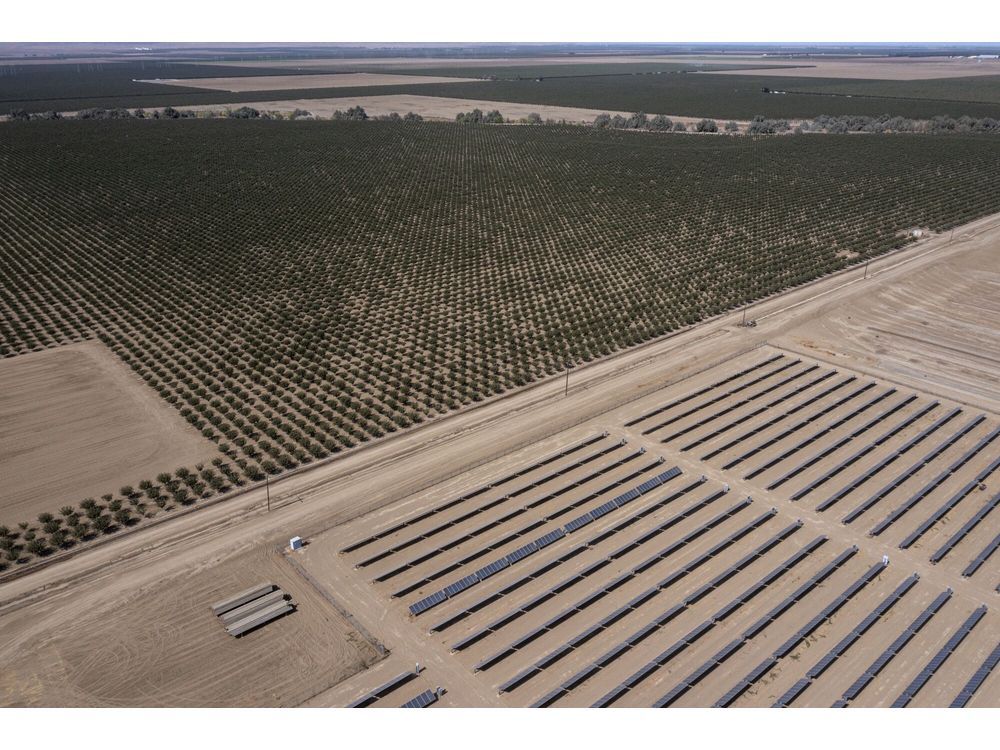
BREAKING: President Donald Trump has just announced that the United States will not approve new solar and wind energy projects that negatively impact farmland. This statement, made on Truth Social, follows the US Department of Agriculture’s shocking decision to halt financial support for clean energy initiatives on productive farmland.
Trump’s remarks come amid rising electricity prices, which he attributes to renewable energy projects. “Any State that has built and relied on WINDMILLS and SOLAR for power are seeing RECORD BREAKING INCREASES IN ELECTRICITY AND ENERGY COSTS,” he stated. The president is adamant that “the days of stupidity are over in the USA!!!”
The USDA’s recent policy shift presents significant challenges for farmers who have relied on federal incentives to diversify their income, especially as crop prices remain low. Agriculture Secretary Brooke Rollins emphasized the detrimental impact of subsidized solar farms, stating they have made farmland more expensive and less accessible for agricultural use.
Electricity prices have surged in the past year, driven by increased demand from data centers and manufacturing. Meanwhile, farmland prices have reached record highs, influenced by industrial needs, although renewable energy projects occupy a minimal portion of US agricultural acres.
The USDA has confirmed that wind and solar projects are no longer eligible for the agency’s rural development business loans. Additionally, solar panel projects exceeding 50 kilowatts will no longer qualify for the separate Rural Energy for America Program. The USDA also prohibits the use of panels “manufactured by foreign adversaries” in these projects.
The American Farmland Trust, which focuses on preserving agricultural land, has labeled the Rural Energy for America Program a crucial resource for nearly 20,000 farmers and businesses seeking to enhance their operations.
According to the latest USDA agricultural census in 2022, nearly 120,000 farms had solar panels, a striking 30% increase since 2017. Furthermore, an additional 14,500 farms utilized wind turbines. Despite this growth, a 2024 USDA study revealed that most acres surrounding renewable energy installations remain agricultural.
Critics of the new policy argue it restricts farmers’ ability to make decisions about their land and income diversification. Stephanie Bosh, senior vice president of communications at the Solar Energy Industries Association, called the policy “senseless,” warning it will complicate farmers’ efforts to sustain their livelihoods.
As this situation unfolds, all eyes will be on the implications for both energy prices and agricultural practices across the United States. The administration’s stance on renewable energy projects—especially those on public lands—will be a focal point of scrutiny in the coming days.
Stay tuned for further updates on this developing story.












Saskatchewan NDP Unveils Urgent Wildfire Strategy Bill Today

Revolut Appoints Jan Pilbauer as Canadian CEO to Re-enter Market

Google Experiments with AI-Generated Headlines in Discover Feed

Atalanta Dominates Genoa 4-0 to Advance to Italian Cup Quarters

Ontario Review Launched After Math Scores Reveal Student Struggles

Canada Commits $235 Million to Ukraine During NATO Meeting

Alberta’s Petition to Remain in Canada Secures Over 400,000 Signatures

Urgent: Richmond Apartment Fire Displaces 20 Residents Overnight

Russia Blocks Roblox Access, Citing Extremist Content Claims

Secwepemc First Nation Seeks Aboriginal Title Over Kamloops Area

Scientists Unearth Ancient Antarctic Ice to Unlock Climate Secrets

Trump and McCormick to Announce $70 Billion Energy Investments

Four Astronauts Return to Earth After International Space Station Mission

TransLink Launches Food Truck Program to Boost Revenue in Vancouver

Apple Notes Enhances Functionality with Markdown Support in macOS 26

Manitoba’s Burger Champion Shines Again Amid Dining Innovations

Urgent Update: Fatal Crash on Highway 99 Claims Life of Pitt Meadows Man

Ukrainian Tennis Star Elina Svitolina Faces Death Threats Online
-
 Politics4 weeks ago
Secwepemc First Nation Seeks Aboriginal Title Over Kamloops Area
-
 World5 months ago
Scientists Unearth Ancient Antarctic Ice to Unlock Climate Secrets
-
 Entertainment5 months ago
Trump and McCormick to Announce $70 Billion Energy Investments
-
 Science5 months ago
Four Astronauts Return to Earth After International Space Station Mission
-
 Lifestyle5 months ago
TransLink Launches Food Truck Program to Boost Revenue in Vancouver
-
 Technology3 months ago
Apple Notes Enhances Functionality with Markdown Support in macOS 26
-
 Lifestyle3 months ago
Manitoba’s Burger Champion Shines Again Amid Dining Innovations
-
 Top Stories2 months ago
Urgent Update: Fatal Crash on Highway 99 Claims Life of Pitt Meadows Man
-
 Politics4 months ago
Ukrainian Tennis Star Elina Svitolina Faces Death Threats Online
-

 Sports5 months ago
Search Underway for Missing Hunter Amid Hokkaido Bear Emergency
-
 Politics5 months ago
Carney Engages First Nations Leaders at Development Law Summit
-

 Technology5 months ago
Frosthaven Launches Early Access on July 31, 2025