
Top Stories
Truth and Reconciliation Day: Read This Book and Art That Challenge Us

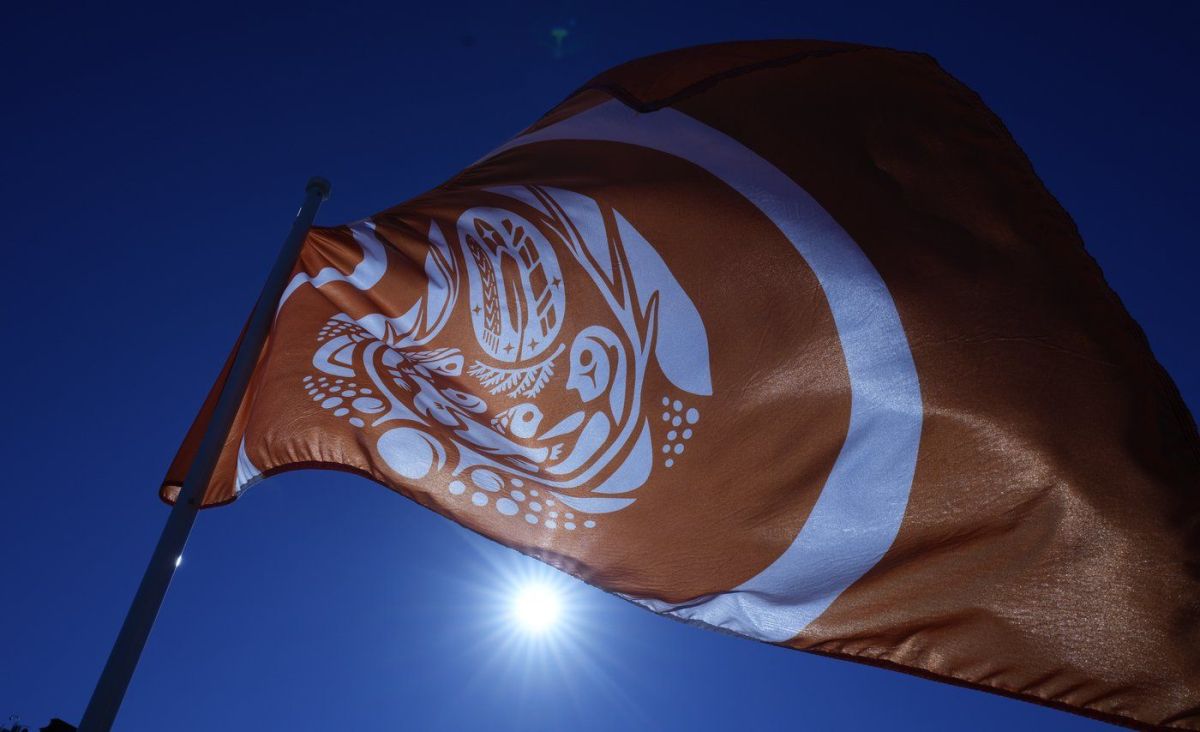
UPDATE: As Canada marks the National Day for Truth and Reconciliation on September 30, 2024, powerful narratives and art are urging citizens to confront the past. Two significant works—Richard Wagamese’s acclaimed novel Indian Horse and Kent Monkman’s provocative artwork Daddies—are at the forefront of this year’s observance, prompting reflection and dialogue.
The Survivors flag is currently flying high on Parliament Hill in Ottawa, symbolizing the ongoing journey toward healing and understanding. These works resonate deeply, reminding us of the painful history faced by Indigenous peoples in Canada and the urgent need for collective reconciliation.
Wagamese’s Indian Horse tells the harrowing story of a young boy’s experience in a residential school, where he discovers solace in hockey amidst trauma. This gripping tale not only highlights the resilience of Indigenous youth but also serves as an essential reading for all Canadians. Released years ago, its impact remains profound, echoing the voices and experiences that demand recognition.
In a recent discussion, readers emphasized the book’s ability to unsettle and uplift, igniting conversations about our shared history. Wagamese’s storytelling continues to challenge us, pushing for a deeper understanding of the past.
Simultaneously, Monkman’s Daddies reinterprets the famous painting of the Fathers of Confederation, inserting Indigenous perspectives into a historical narrative often told from a narrow viewpoint. This artwork, part of his exhibit Shame and Prejudice, boldly confronts traditional depictions and asks, “Where are our voices?”
Monkman’s work, showcased at various galleries across Canada, including the Halifax Art Gallery, invites viewers to engage with the discomforts of history. His striking portrayal of a cross-dressing Indigenous figure challenges societal norms and highlights the need for inclusive storytelling. As audiences encounter Monkman’s pieces, they are encouraged to reflect on the implications of colonial narratives.
As these powerful works gain attention on this significant day, they serve as reminders of the importance of truth-telling and reconciliation in Canada. Both Wagamese and Monkman compel us to confront uncomfortable truths while simultaneously uplifting Indigenous voices.
With the ongoing discussions surrounding Truth and Reconciliation Day, Canadians are urged to engage with these narratives. As more people explore Wagamese’s Indian Horse and Monkman’s Daddies, there is hope that these stories will foster understanding and drive the movement toward reconciliation.
As this year’s commemorative events unfold, the call for reflection and action remains urgent. Through literature and art, we are challenged to look at our past differently, paving the way for a more inclusive future.
For those interested in exploring these works further, Indian Horse is available through various platforms, while Monkman’s art can be viewed at kentmonkman.com.
In this moment of remembrance and learning, let us honor the legacy of Indigenous peoples by amplifying their stories and embracing the path toward reconciliation.










Thomson and Weston Families Secure Hudson’s Bay Charter for $18M

Family of Colombian Man Challenges U.S. Military Strikes After Death

Bloc Québécois Aims to Amend Bill C-9, Targeting Hate Speech Exemptions

Family and Friends Mourn the Loss of Donald James Wonnacott

Hollywood Stars Dine at South Osborne’s Vera Pizzeria

Calgary Teen Charged for Allegedly Creating AI-Generated Explicit Images

Dental Oversight Puts Niagara Detention Centre Inmates at Risk

Israel and Lebanon Begin Talks for Economic Cooperation NOW

Winnipeg Considers Photo Reporting for Parking Violations

Secwepemc First Nation Seeks Aboriginal Title Over Kamloops Area

Scientists Unearth Ancient Antarctic Ice to Unlock Climate Secrets

Trump and McCormick to Announce $70 Billion Energy Investments

Four Astronauts Return to Earth After International Space Station Mission

TransLink Launches Food Truck Program to Boost Revenue in Vancouver

Apple Notes Enhances Functionality with Markdown Support in macOS 26

Manitoba’s Burger Champion Shines Again Amid Dining Innovations

Urgent Update: Fatal Crash on Highway 99 Claims Life of Pitt Meadows Man

Ukrainian Tennis Star Elina Svitolina Faces Death Threats Online
-
 Politics4 weeks ago
Secwepemc First Nation Seeks Aboriginal Title Over Kamloops Area
-
 World5 months ago
Scientists Unearth Ancient Antarctic Ice to Unlock Climate Secrets
-
 Entertainment5 months ago
Trump and McCormick to Announce $70 Billion Energy Investments
-
 Science5 months ago
Four Astronauts Return to Earth After International Space Station Mission
-
 Lifestyle5 months ago
TransLink Launches Food Truck Program to Boost Revenue in Vancouver
-
 Technology3 months ago
Apple Notes Enhances Functionality with Markdown Support in macOS 26
-
 Lifestyle3 months ago
Manitoba’s Burger Champion Shines Again Amid Dining Innovations
-
 Top Stories2 months ago
Urgent Update: Fatal Crash on Highway 99 Claims Life of Pitt Meadows Man
-
 Politics4 months ago
Ukrainian Tennis Star Elina Svitolina Faces Death Threats Online
-
 Sports5 months ago
Search Underway for Missing Hunter Amid Hokkaido Bear Emergency
-
 Politics5 months ago
Carney Engages First Nations Leaders at Development Law Summit
-
 Technology5 months ago
Frosthaven Launches Early Access on July 31, 2025