
Top Stories
Urgent Holiday Food Safety Tips to Prevent Food Poisoning

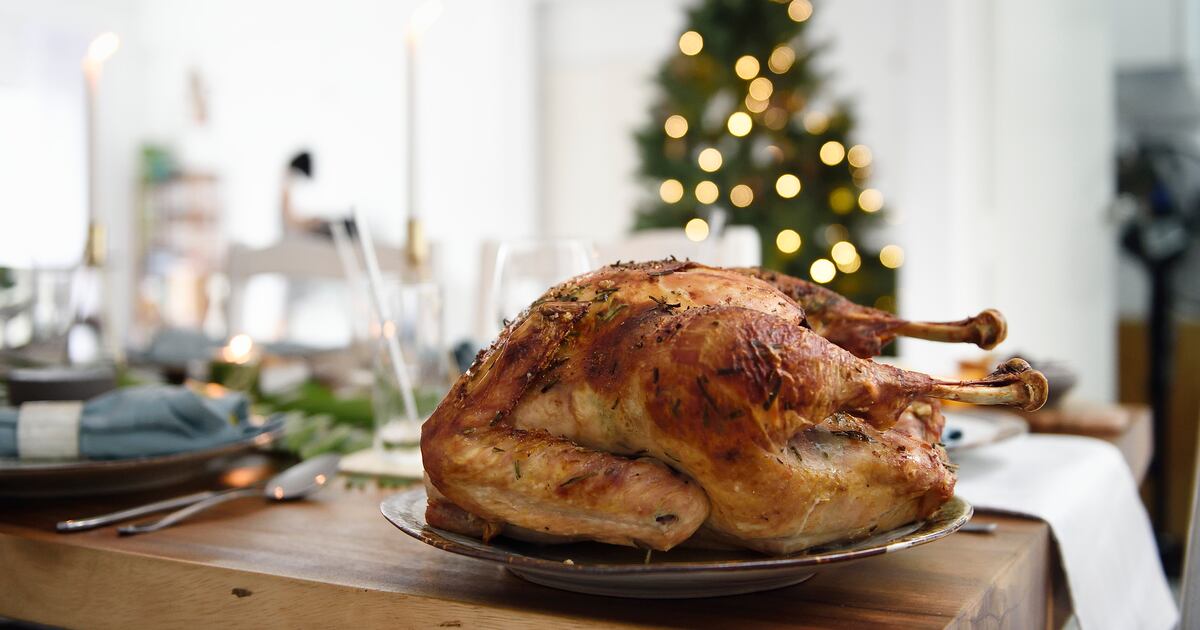
UPDATE: Eastern Ontario’s medical officer of health, Dr. Paul Roumeliotis, has just announced critical food safety tips to prevent food poisoning this holiday season. With families gathering for celebrations, the risk of foodborne illnesses increases significantly, particularly from improperly prepared turkey and other festive dishes.
Dr. Roumeliotis warns that many individuals may mistake food poisoning for gastroenteritis, leading to unnecessary hospital visits. “We see an increase during the holiday season,” he stated during an appearance on CTV Your Morning Ottawa. “What food poisoning is, you’re eating food that is contaminated by bacteria that can cause gastrointestinal symptoms.”
Turkey preparations are a major concern. Dr. Roumeliotis emphasizes that uncooked poultry can harbor dangerous bacteria such as salmonella. “The trick is that you get a frozen turkey; you need to thaw it out in the fridge, not the counter,” he explained. For optimal safety, it is crucial to allow 24 hours of thawing time for every 5 pounds of turkey. That means a 10-pound turkey requires two days in the refrigerator.
Health Canada advises thorough handwashing before and after handling poultry. When cooking, use a meat thermometer to ensure the turkey reaches a safe internal temperature. “As a general rule of thumb, poultry is done when the leg moves easily and the meat is tender with no pink showing anywhere,” Health Canada cautioned.
When preparing food for gatherings, Dr. Roumeliotis stresses the importance of cleanliness. “People often forget to wash their hands after preparing raw meat and then continue with salads or other dishes, contaminating everything,” he warned. Health Canada recommends using separate cutting boards for produce and raw meats to avoid cross-contamination.
Regarding leftovers, Dr. Roumeliotis advises that food should not be left out for more than two hours. “If food is left out for more than two hours, it becomes contaminated and should be discarded,” he stated. Leftovers should be refrigerated promptly and can last between three to four days. “We get a lot of people coming into the hospital thinking it’s gastro, but it’s food poisoning,” he reiterated, highlighting the importance of adhering to these guidelines to avoid illness.
For those with leftover turkey, Dr. Roumeliotis has specific advice: “If you have a carcass leftover, get rid of the bones before putting the meat in the fridge.” He also cautions against giving turkey bones to pets after Christmas, as they can pose health risks.
As families prepare for holiday feasts, following these guidelines is essential for ensuring a safe and enjoyable season. Stay informed and share these urgent food safety tips to protect your loved ones from foodborne illnesses this holiday.












B.C. Paramedics Prepare for Strike Vote Amid Contract Stalemate

B.C. Real Estate Agent Wilson Su Fined $10,000 for Misconduct

Digital Music Player DAP-1 Revives High-Quality Audio Experience

Peace Walk in Windsor Draws 88 Participants for Kindness

Trayce Jackson-Davis Excited to Join Toronto Raptors

Engage with February Programs at Plano Public Library

Japan’s Takaichi Aims for Electoral Victory Amid Rising Tensions

Ohio Man Charged with Threatening Vice President Vance, Faces 20 Years

Concerns Rise Over America’s Political Landscape and Democracy

Secwepemc First Nation Seeks Aboriginal Title Over Kamloops Area

Scientists Unearth Ancient Antarctic Ice to Unlock Climate Secrets

Urgent Fire Erupts at Salvation Army on Christmas Evening

Canadian Curler E.J. Harnden Announces Retirement from Competition

Manitoba’s Burger Champion Shines Again Amid Dining Innovations

Fatal Crash on Highway 11 Claims Three Lives, Major Closure Ongoing

Trump and McCormick to Announce $70 Billion Energy Investments

Four Astronauts Return to Earth After International Space Station Mission

TransLink Launches Food Truck Program to Boost Revenue in Vancouver
-
 Politics3 months ago
Secwepemc First Nation Seeks Aboriginal Title Over Kamloops Area
-
 World7 months ago
Scientists Unearth Ancient Antarctic Ice to Unlock Climate Secrets
-
 Top Stories1 month ago
Urgent Fire Erupts at Salvation Army on Christmas Evening
-
 Sports1 month ago
Canadian Curler E.J. Harnden Announces Retirement from Competition
-
 Lifestyle5 months ago
Manitoba’s Burger Champion Shines Again Amid Dining Innovations
-
 Top Stories2 months ago
Fatal Crash on Highway 11 Claims Three Lives, Major Closure Ongoing
-
 Entertainment7 months ago
Trump and McCormick to Announce $70 Billion Energy Investments
-
 Science7 months ago
Four Astronauts Return to Earth After International Space Station Mission
-
 Lifestyle7 months ago
TransLink Launches Food Truck Program to Boost Revenue in Vancouver
-

 Technology5 months ago
Apple Notes Enhances Functionality with Markdown Support in macOS 26
-

 Top Stories1 month ago
Blue Jays Sign Kazuma Okamoto: Impact on Bo Bichette’s Future
-

 Top Stories2 months ago
NHL Teams Inquire About Marc-André Fleury’s Potential Return