
Top Stories
Urgent Report: 49% of Road Projects Ignored Safety Data

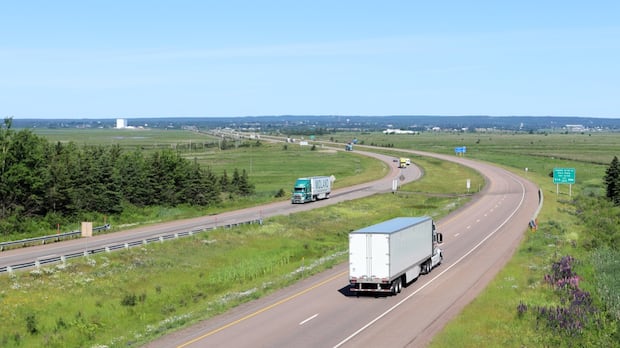
UPDATE: A shocking new report reveals that 49% of asphalt and chipseal road projects in New Brunswick were not selected based on a crucial data-driven tool meant to prioritize safety. Released by Auditor General Paul Martin, the report raises urgent concerns about public safety on provincial highways.
Between April 2023 and December 2024, the audit found that 27% of funded projects were completely bypassed by the Department of Transportation and Infrastructure’s (DTI) asset management system, while 22% of chosen projects should have been deferred according to the same system. Martin stated, “There was a lack of documented rationale for these decisions, which could result in work being performed that does not prioritize safety.”
This report comes at a critical time when New Brunswick has the highest per capita fatality rate for road accidents in Canada, according to Transport Canada’s 2023 statistics. Martin highlighted that the department is not promptly analyzing collision data, with zero reports completed within a year, and 80% taking between one and two years. “If they are using this tool and it’s identifying the roads that need repair, why are people overriding the decisions?” he questioned during a news conference.
Transport Minister Chuck Chiasson has recently claimed to have halted fluctuations in project funding based on political representation, but Martin’s findings call into question the overall integrity of the asset management system. “If there’s a problem with their own data or their system to analyze this, they’re not telling us,” he warned.
The audit further revealed that DTI is failing to meet repair standards for highways under its own management. In 2023, the overall surface condition of government-operated highways was rated as poor or very poor in 43% of cases. Alarmingly, only 45% of the Fredericton to Moncton highway—operated by the Maritime Road Development Corporation—was found to be in good or fair condition, far below the target of 90%.
Martin emphasized that the lack of regular inspections for vital infrastructure, such as drainage and signage, directly contributes to the province’s soaring accident rates. The department has acknowledged all recommendations from the audit, including the need for better documentation of project selection rationales, but no specific timeline for implementation has been provided.
Green MLA Megan Mitton has also raised concerns about funding disparities based on political representation, suggesting that the allocation of funds fluctuates significantly depending on whether ridings are held by government or opposition members. This adds another layer of complexity to an already troubling situation.
As New Brunswick grapples with these pressing concerns, the public is urged to demand transparency and accountability from the DTI. The findings of this report not only highlight systemic failures but also raise critical questions about the safety of the province’s roadways.
What’s next? The department must act swiftly to address these deficiencies, ensuring that safety data guides future road repair decisions. The implications of this report extend beyond numbers; they impact the lives of every resident who travels New Brunswick’s roads.
Stay tuned for more updates as this story develops.











Lethbridge City Council Votes to Close Overdose Prevention Site

Community Rallies for Indigenous Christmas Hamper Program

Carl Moon Runefelt: Transforming Mindset into Extraordinary Achievements

Why Open Source Contributions Are Essential in DevOps Partner Selection

Saskatchewan Expands Health Recruitment Incentive to 3 More Communities

Campbell’s Q1 Earnings Surge Boosts Stock Amid Home Cooking Trends

Major Discounts Available on MacBook Air: Prices Start at $999

Urgent: Harry Dennis Backlin Passes Away at 96, Leaving Legacy

Urgent Snowfall Warning: Up to 20 cm Expected Overnight

Secwepemc First Nation Seeks Aboriginal Title Over Kamloops Area

Scientists Unearth Ancient Antarctic Ice to Unlock Climate Secrets

Trump and McCormick to Announce $70 Billion Energy Investments

Four Astronauts Return to Earth After International Space Station Mission

TransLink Launches Food Truck Program to Boost Revenue in Vancouver

Apple Notes Enhances Functionality with Markdown Support in macOS 26

Manitoba’s Burger Champion Shines Again Amid Dining Innovations

Urgent Update: Fatal Crash on Highway 99 Claims Life of Pitt Meadows Man

Homemade Houseboat ‘Neverlanding’ Captivates Lake Huron Voyagers
-
 Politics1 month ago
Secwepemc First Nation Seeks Aboriginal Title Over Kamloops Area
-
 World5 months ago
Scientists Unearth Ancient Antarctic Ice to Unlock Climate Secrets
-
 Entertainment5 months ago
Trump and McCormick to Announce $70 Billion Energy Investments
-
 Science5 months ago
Four Astronauts Return to Earth After International Space Station Mission
-
 Lifestyle5 months ago
TransLink Launches Food Truck Program to Boost Revenue in Vancouver
-
 Technology3 months ago
Apple Notes Enhances Functionality with Markdown Support in macOS 26
-
 Lifestyle3 months ago
Manitoba’s Burger Champion Shines Again Amid Dining Innovations
-
 Top Stories2 months ago
Urgent Update: Fatal Crash on Highway 99 Claims Life of Pitt Meadows Man
-
 Top Stories2 weeks ago
Homemade Houseboat ‘Neverlanding’ Captivates Lake Huron Voyagers
-

 Politics4 months ago
Ukrainian Tennis Star Elina Svitolina Faces Death Threats Online
-

 Sports5 months ago
Search Underway for Missing Hunter Amid Hokkaido Bear Emergency
-

 Politics5 months ago
Carney Engages First Nations Leaders at Development Law Summit