
Top Stories
Urgent: Russia Offers Discounted Urals Crude to China Amid Tensions

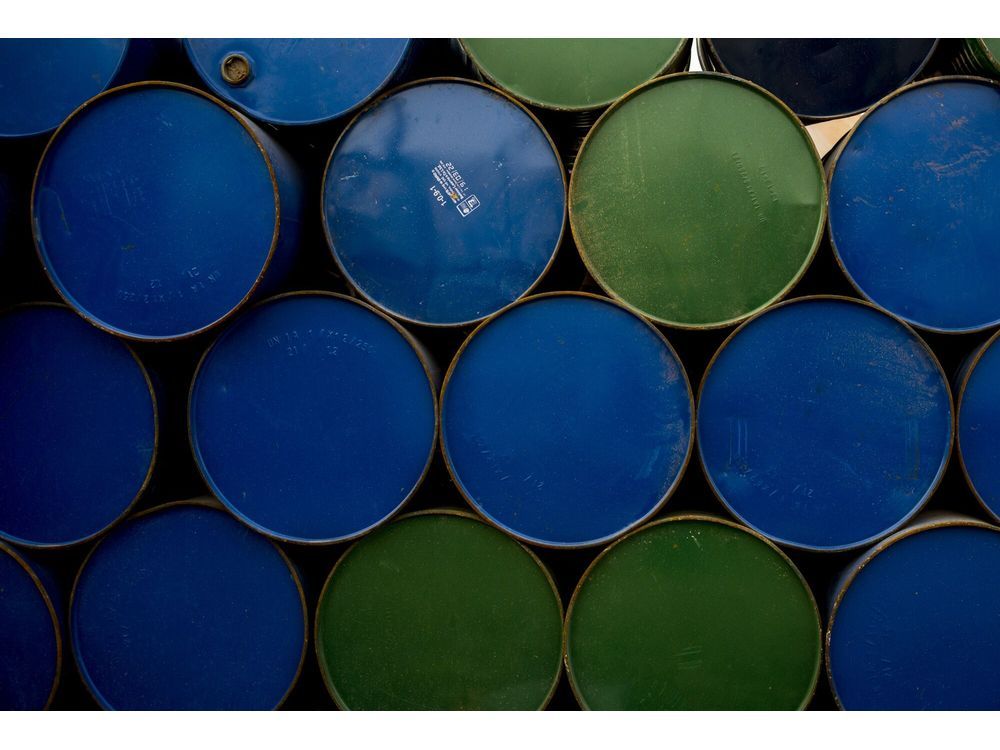
UPDATE: In a significant shift in the global oil market, Russia is now offering its flagship Urals crude to Chinese buyers at sharply discounted prices. This move comes as U.S. President Donald Trump intensifies trade tensions with India over its Russian oil imports, potentially altering the dynamics of crude supply in Asia.
As of October 2023, Urals shipments are being promoted to Chinese refiners at prices as low as $1.50 per barrel below London’s Brent, a notable drop from nearly $2.50 just last week. This reduced pricing is attracting interest from both state and private Chinese refiners, who are currently engaged in negotiations for these cargoes, according to traders familiar with the developments.
The urgency of these negotiations is heightened as India pulls back from purchasing Russian oil in response to U.S. tariffs, effectively freeing up some volumes that may now flow into China. On August 7, analysts from Energy Aspects revealed that while India has significantly reduced its spot purchases of Russian crude, some Chinese refiners have already secured Urals cargoes for October delivery.
China stands as the leading global buyer of Russian oil transported by both sea and land, yet local refiners typically favor ESPO crude, which is sourced from the eastern part of Russia. The geographical distance and high freight costs make Urals less appealing, but this new offering could change that landscape, particularly as China’s refining capacity remains vast and its strategic petroleum reserves (SPR) appetite continues to grow.
Despite this opportunity, analysts caution that the ongoing trade tensions between the U.S. and China may complicate matters. Treasury Secretary Scott Bessent hinted that the U.S. could impose tariffs on Chinese imports that include Russian energy, which may deter Chinese state-owned enterprises from increasing their Russian crude purchases.
Historically, Urals has not been a base-load grade for Chinese state-owned refineries, limiting their interest in stockpiling this crude strategically. As of now, the market is closely watching purchases by private refiners, known as “teapots,” and state-owned companies that may seek to procure Urals for their processors and SPR.
In a rare instance last month, Shandong Yulong Petrochemical Co. made a notable purchase of Urals, signaling potential shifts in market behavior. However, analysts warn that while some Chinese refineries are picking up Urals shipments, the country may struggle to absorb all of the Russian barrels that India is now avoiding.
As this situation develops, traders and industry experts will be closely monitoring further purchases and the implications for the global oil market. The evolving dynamics between Russia, China, and the U.S. are likely to have lasting effects on crude pricing and supply chains, making this a critical moment to watch.
Stay tuned for more updates on this urgent situation as it unfolds.













Morris Churches Unite for Annual Good Friday Walk With the Cross

Chloe Zhao’s ‘Buffy’ Reboot Cancelled: Sarah Michelle Gellar Speaks Out

Essential Ingredients for Life Found in Ryugu Asteroid Samples

Urgent Rescue: NSR Airlifts Injured Climber from Nanaimo

Riverside Heart Ball Achieves Record $815,000 for Mental Health

Cognizant Launches AI Factory to Enhance Enterprise AI Scalability

Samsung’s Galaxy Watch 9 to Feature Larger Battery Than Before

Toronto’s AIDS Memorial Faces Potential Redesign Amid Community Concerns

Bayern Munich Loses Luis Díaz Red Card Appeal Despite Referee’s Admission

Secwepemc First Nation Seeks Aboriginal Title Over Kamloops Area

Fatal Crash on Highway 11 Claims Three Lives, Major Closure Ongoing

Manitoba’s Burger Champion Shines Again Amid Dining Innovations

Canadian Curler E.J. Harnden Announces Retirement from Competition

Urgent Fire Erupts at Salvation Army on Christmas Evening

Scientists Unearth Ancient Antarctic Ice to Unlock Climate Secrets

Minister Faces Scrutiny Over Delayed Foreign Interference Watchdog Appointment

Trump and McCormick to Announce $70 Billion Energy Investments

Monika Hibbs Unveils Acres Market & Interiors in Major Rebrand
-
 Politics5 months ago
Secwepemc First Nation Seeks Aboriginal Title Over Kamloops Area
-
 Top Stories4 months ago
Fatal Crash on Highway 11 Claims Three Lives, Major Closure Ongoing
-
 Lifestyle7 months ago
Manitoba’s Burger Champion Shines Again Amid Dining Innovations
-
 Sports3 months ago
Canadian Curler E.J. Harnden Announces Retirement from Competition
-
 Top Stories3 months ago
Urgent Fire Erupts at Salvation Army on Christmas Evening
-
 World9 months ago
Scientists Unearth Ancient Antarctic Ice to Unlock Climate Secrets
-
 World5 months ago
Minister Faces Scrutiny Over Delayed Foreign Interference Watchdog Appointment
-
 Entertainment9 months ago
Trump and McCormick to Announce $70 Billion Energy Investments
-
 Lifestyle9 months ago
Monika Hibbs Unveils Acres Market & Interiors in Major Rebrand
-

 Science9 months ago
Four Astronauts Return to Earth After International Space Station Mission
-

 Lifestyle9 months ago
TransLink Launches Food Truck Program to Boost Revenue in Vancouver
-

 World1 month ago
Ranchman’s Cookhouse & Dancehall to Relocate by Early 2027