
Top Stories
Urgent Study Reveals Microplastics Linked to Brain Diseases

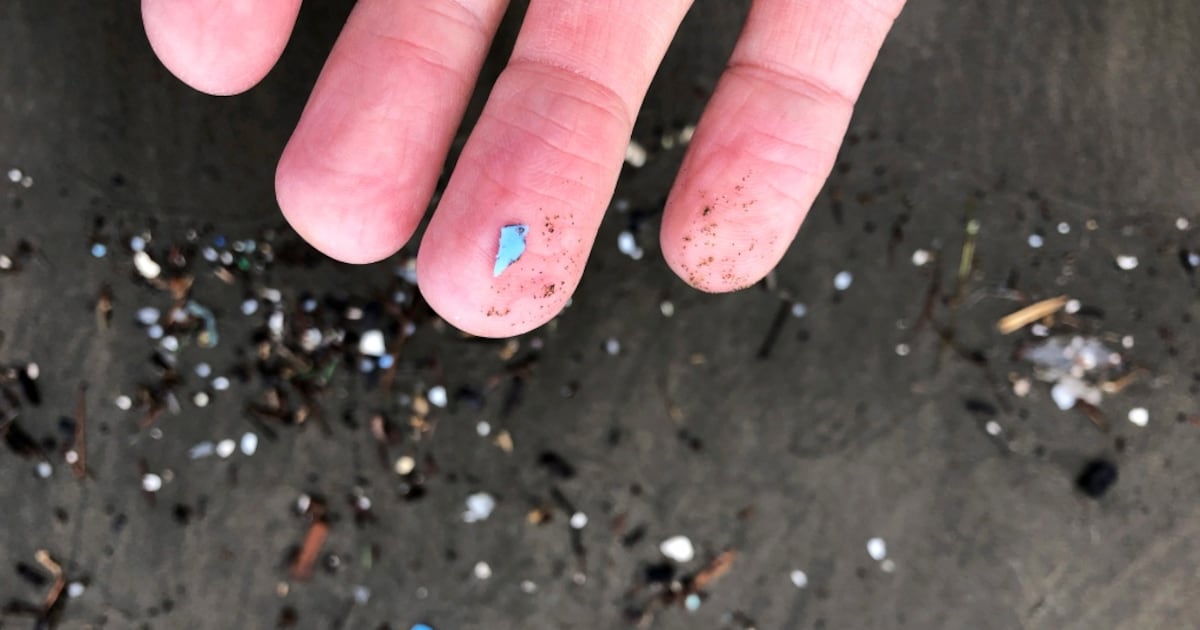
BREAKING: A groundbreaking study has just revealed alarming links between microplastics and neurodegenerative diseases like Alzheimer’s and Parkinson’s. Researchers from the University of Technology Sydney published their findings in the journal Molecular and Cellular Biochemistry, urging immediate action to mitigate the risks.
According to the study, adults consume approximately 250 grams of microplastics annually, enough to fill a dinner plate. While many of these plastics are expelled from the body, an increasing body of evidence suggests they can accumulate in vital organs, including the brain. This revelation has serious implications for public health, particularly regarding neurodegenerative conditions that affect millions worldwide.
The researchers identified five key pathways through which microplastics may endanger brain health. These include triggering immune cell activity, generating oxidative stress, disrupting the blood-brain barrier, damaging neurons, and impairing mitochondria—critical components for cellular energy. Co-author and pharmaceutical scientist Kamal Dua stated, “The body treats microplastics as foreign intruders, prompting the brain’s immune cells to attack them.” He emphasized that environmental toxins exacerbate this oxidative stress, potentially accelerating neurodegenerative processes.
The study outlines specific mechanisms by which microplastics influence diseases like Alzheimer’s and Parkinson’s. They can lead to the abnormal accumulation of brain proteins such as tau and beta-amyloid, which are associated with Alzheimer’s, as well as the aggregation of alpha-synuclein and damage to dopaminergic neurons linked to Parkinson’s. These findings highlight an urgent need for public awareness regarding everyday plastic use.
Co-author Keshav Raj Paudel stressed the importance of changing consumer habits: “We need to use less plastic. Avoid plastic containers, skip plastic cutting boards, choose natural fibers over synthetic ones, and reduce processed food consumption.” His comments serve as a wake-up call for individuals and policymakers alike.
The study serves as both a warning and a call to action, emphasizing that the choices we make daily can profoundly affect our health. With microplastics found in common products like processed foods and beverages in plastic bottles, the urgency for change could not be more clear.
As this research gains traction, the scientific community and health advocates are expected to push for greater regulatory measures on plastic use and more public education on the risks associated with microplastics.
Stay tuned for further updates as experts continue to analyze the implications of these findings and what they mean for our future health. The time to act is now—reducing plastic use is not just an environmental issue; it’s a health imperative.












Hundreds of Stuffed Animals Tossed at Oil Kings Game for Charity

Urgent Rescue: Seriously Injured Biker Saved After 5.5-Hour Operation

Urgent: Mezuzahs Torn from Doors in North York Housing Complex

Vancouver Councillor Moves to End Use of X.com for Meeting Updates

Two Men Fined $7K for Illegal Moose Hunting in Ontario

Tyler Seguin’s Injury Sparks Urgent Trade Opportunities for Stars

Urgent Update: Surrey Police Link Shots Fired to Vehicle Fires

Air Transat Pilots Issue 72-Hour Strike Notice, Passengers Urged to Know Rights

Mercedes-Benz Unveils Enhanced 2027 GLB Compact Crossover

Secwepemc First Nation Seeks Aboriginal Title Over Kamloops Area

Scientists Unearth Ancient Antarctic Ice to Unlock Climate Secrets

Trump and McCormick to Announce $70 Billion Energy Investments

Four Astronauts Return to Earth After International Space Station Mission

TransLink Launches Food Truck Program to Boost Revenue in Vancouver

Apple Notes Enhances Functionality with Markdown Support in macOS 26

Manitoba’s Burger Champion Shines Again Amid Dining Innovations

Urgent Update: Fatal Crash on Highway 99 Claims Life of Pitt Meadows Man

Homemade Houseboat ‘Neverlanding’ Captivates Lake Huron Voyagers
-
 Politics1 month ago
Secwepemc First Nation Seeks Aboriginal Title Over Kamloops Area
-
 World5 months ago
Scientists Unearth Ancient Antarctic Ice to Unlock Climate Secrets
-
 Entertainment5 months ago
Trump and McCormick to Announce $70 Billion Energy Investments
-
 Science5 months ago
Four Astronauts Return to Earth After International Space Station Mission
-
 Lifestyle5 months ago
TransLink Launches Food Truck Program to Boost Revenue in Vancouver
-
 Technology3 months ago
Apple Notes Enhances Functionality with Markdown Support in macOS 26
-
 Lifestyle3 months ago
Manitoba’s Burger Champion Shines Again Amid Dining Innovations
-
 Top Stories2 months ago
Urgent Update: Fatal Crash on Highway 99 Claims Life of Pitt Meadows Man
-
 Top Stories1 week ago
Homemade Houseboat ‘Neverlanding’ Captivates Lake Huron Voyagers
-

 Politics4 months ago
Ukrainian Tennis Star Elina Svitolina Faces Death Threats Online
-

 Sports5 months ago
Search Underway for Missing Hunter Amid Hokkaido Bear Emergency
-

 Politics5 months ago
Carney Engages First Nations Leaders at Development Law Summit