
Top Stories
Urgent Update: Carney and Smith Propose Controversial Pipeline Plan

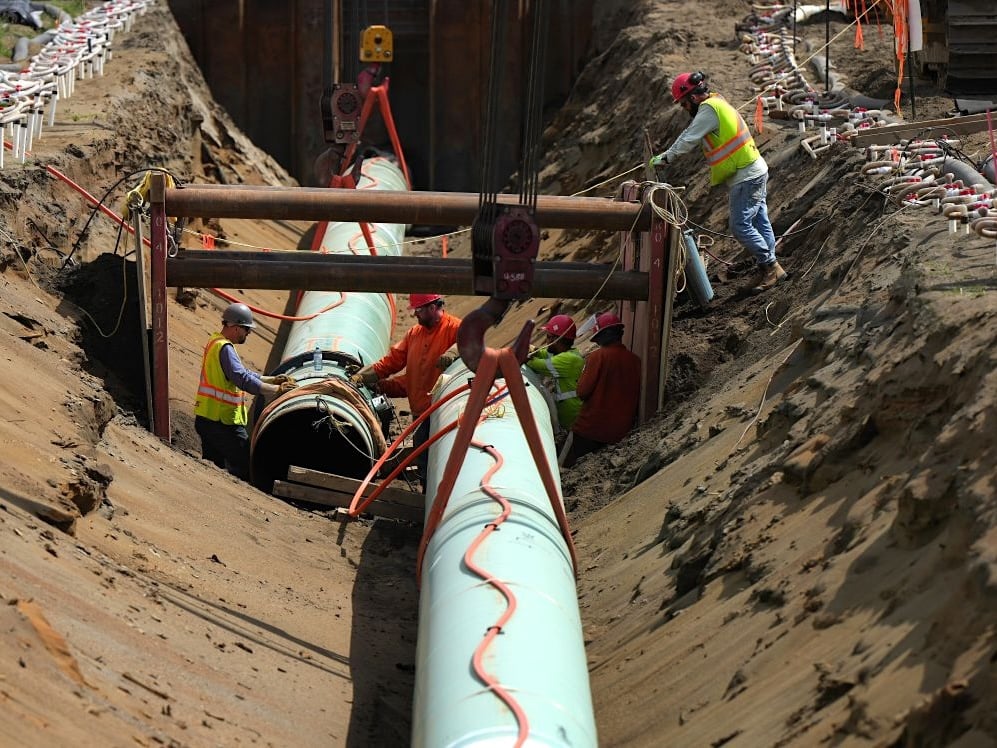
UPDATE: In a bold move that could reshape Canada’s energy landscape, Prime Minister Mark Carney and Alberta Premier Danielle Smith have just announced a controversial proposal for a new oil sands pipeline. The plan aims to transport up to 1 million barrels per day of bitumen from Alberta to British Columbia‘s northwest coast, claiming it will spur economic growth in a struggling nation.
The proposed project, dubbed the Spirit Bear Pipeline by oilsands advocate Robbie Picard, lacks a defined route and proponent, raising serious questions about its viability and environmental impact. Critics, including noted energy analyst David Hughes, argue that the plan represents a reckless push for fossil fuels that could exacerbate climate change and further deplete finite resources.
As Carney and Smith advocate for this ambitious project, they face mounting resistance from environmental groups and experts warning about the implications. Hughes emphasizes the unsustainable nature of increasing oil production, suggesting that the extraction process is already consuming a staggering 30% of Canada’s natural gas supply. He contends that expanding oilsands production to 5 million barrels per day could lead to depletion within 91 years, which he describes as a “Great Fossil Fuel Blowout.”
The announcement comes at a time when Canada’s oil and gas industry accounts for approximately 30% of the nation’s carbon emissions. As the government pushes for economic recovery amid global energy challenges, experts argue the focus should be on sustainable practices rather than expanding fossil fuel infrastructure.
In stark contrast to Carney and Smith’s vision, Hughes points out that the oilsands are largely owned by foreign interests, with over 70% of major shareholders being international firms. This raises critical questions about who truly benefits from such projects and what it means for Canada’s long-term environmental health.
The proposed pipeline would also require significant financial investment, with estimates suggesting costs could reach between $30 billion and $40 billion, a daunting figure that raises concerns about taxpayer responsibility for potential liabilities. Hughes warns that the cleanup of existing oilsands sites could cost upwards of $57 billion, far exceeding current financial provisions.
As the situation develops, Canadians are left to ponder the implications of this ambitious pipeline project. With climate change impacts becoming increasingly severe, the question remains: will Canada continue to rely on fossil fuels, or will it pivot towards a more sustainable energy future?
What happens next? Citizens and stakeholders must remain vigilant as the government navigates the complexities of this proposal. The decisions made today will have lasting impacts on the environment, economy, and future generations.
Stay tuned for updates on this developing story as the public and experts weigh in on the potential ramifications of the Carney-Smith pipeline proposal.










Seniors Urged to Take Action NOW to Prevent Falls: Key Tips

Urgent Update: Carney and Smith Propose Controversial Pipeline Plan

US Futures Dip, Asian Stocks Mixed as Oil Prices Surge Over $1

Australian Law Bans Under-16s from Social Media to Combat Harm

Canadian Doctors Unveil New Guidelines to Boost PrEP Access

Reporting Issuers Announce Upcoming Meeting Dates for December 2025

AI Bubble: What Sam Altman’s Warning Means for Investors

Zach Edey Scores Career-High 32 Points, Leads Grizzlies to Victory

Brandon University and Assiniboine College Host Engaging Events

Secwepemc First Nation Seeks Aboriginal Title Over Kamloops Area

Scientists Unearth Ancient Antarctic Ice to Unlock Climate Secrets

Trump and McCormick to Announce $70 Billion Energy Investments

TransLink Launches Food Truck Program to Boost Revenue in Vancouver

Four Astronauts Return to Earth After International Space Station Mission

Apple Notes Enhances Functionality with Markdown Support in macOS 26

Manitoba’s Burger Champion Shines Again Amid Dining Innovations

Urgent Update: Fatal Crash on Highway 99 Claims Life of Pitt Meadows Man

Search Underway for Missing Hunter Amid Hokkaido Bear Emergency
-
 Politics3 weeks ago
Secwepemc First Nation Seeks Aboriginal Title Over Kamloops Area
-
 World5 months ago
Scientists Unearth Ancient Antarctic Ice to Unlock Climate Secrets
-
 Entertainment5 months ago
Trump and McCormick to Announce $70 Billion Energy Investments
-
 Lifestyle5 months ago
TransLink Launches Food Truck Program to Boost Revenue in Vancouver
-
 Science5 months ago
Four Astronauts Return to Earth After International Space Station Mission
-
 Technology3 months ago
Apple Notes Enhances Functionality with Markdown Support in macOS 26
-
 Lifestyle3 months ago
Manitoba’s Burger Champion Shines Again Amid Dining Innovations
-
 Top Stories2 months ago
Urgent Update: Fatal Crash on Highway 99 Claims Life of Pitt Meadows Man
-
 Sports5 months ago
Search Underway for Missing Hunter Amid Hokkaido Bear Emergency
-

 Politics4 months ago
Ukrainian Tennis Star Elina Svitolina Faces Death Threats Online
-
 Politics5 months ago
Carney Engages First Nations Leaders at Development Law Summit
-

 Technology5 months ago
Frosthaven Launches Early Access on July 31, 2025