
World
33 Jets Stranded in North America After Airspace Closures

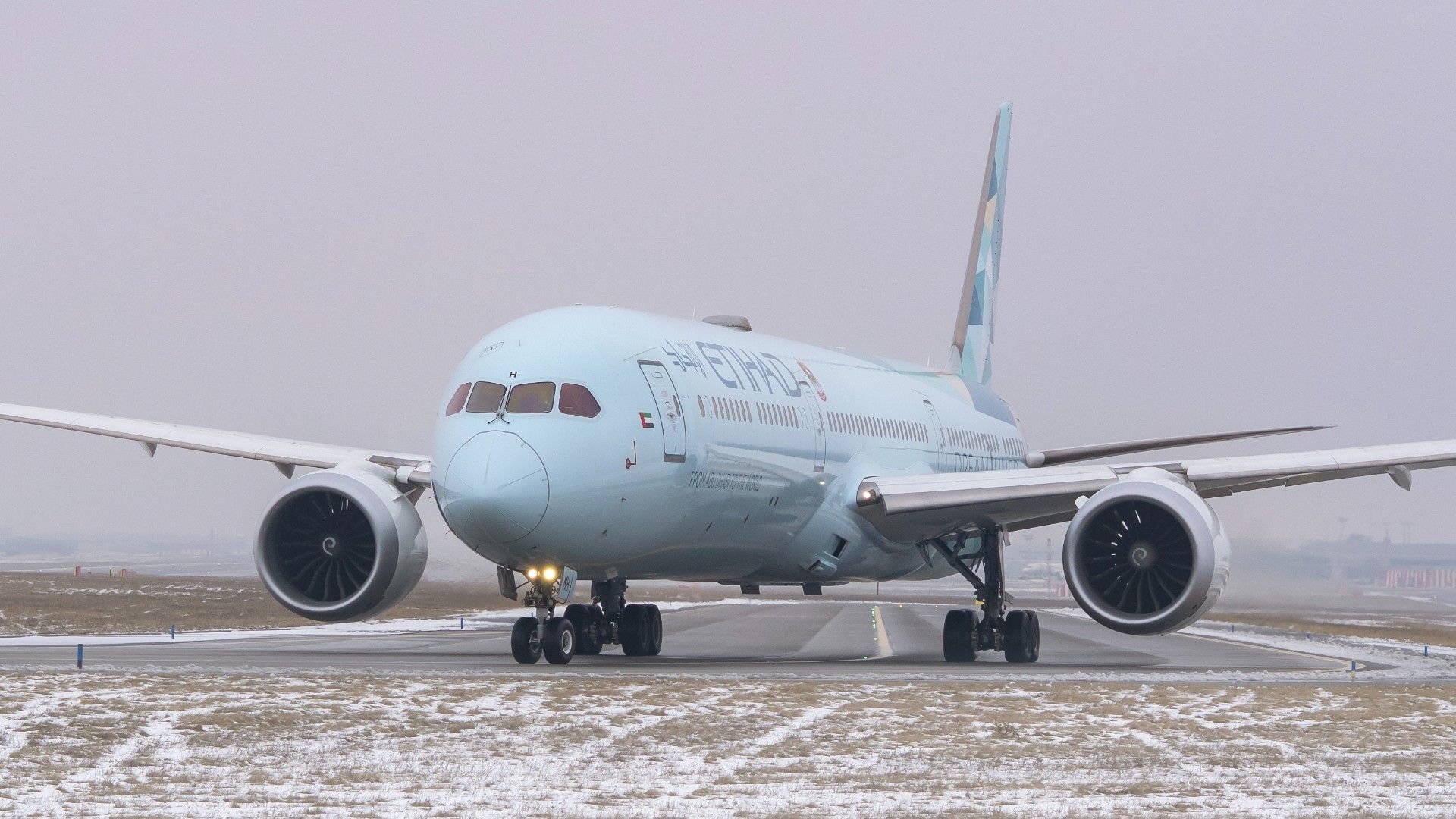
Recent missile and air strikes by the United States and Israel against Iran have resulted in significant airspace closures in the Middle East. As a consequence, 33 widebody jets from various airlines are now stranded across 13 airports in North America, leaving thousands of passengers and crews in limbo.
Impact on Major Airlines
The majority of the grounded aircraft belong to the “Big Three” Gulf carriers: Emirates, Etihad Airways, and Qatar Airways. These airlines are unable to access their home markets due to the closure of airspace over several countries, including Iran, Iraq, and Kuwait. Additionally, El Al has four jets awaiting clearance to depart, and Saudia has one airliner similarly stranded.
Airspace restrictions began on March 15, 2024, after a series of military strikes dubbed “Operation Epic Fury.” The situation escalated swiftly, with over 3,200 flights canceled in the region between that Saturday and Sunday. Passengers stuck at international transit hubs, including London Heathrow and Singapore Changi, have expressed frustration as their onward connections were disrupted.
Grounded Fleet Details
The following is a breakdown of the grounded aircraft, compiled using data from Flightradar24:
Airline Registration Aircraft Type Airport Flight
Qatar Airways A7-ANN Airbus A350-1041 Hartsfield-Jackson Atlanta International Airport QR755
Emirates A6-EPW Boeing 777-31H(ER) Boston Logan International Airport EK237
El Al 4X-EDH Boeing 787-9 Dreamliner Newark Liberty International Airport LY27
Etihad Airways A6-EDP Airbus A380-861 Washington Dulles International Airport EK231
Carriers operating widebody jets capable of longer flights are rerouting their operations to avoid affected regions, adding as much as three hours to flight times. These detours are a direct response to the ongoing military actions and the resultant airspace restrictions.
Emma Belcher and her husband, Vic, who are currently stranded while returning from a vacation in the Maldives, commented on their predicament: “There is absolutely no information about when they might open airspace, so we don’t know how long we’ll be here. We were really looking forward to getting home to see the children as we haven’t been away without them before.”
The situation at airports within the Middle East is also dire, with reports of drone and missile strikes at Zayed International Airport in Abu Dhabi and Dubai International Airport, resulting in injuries and fatalities. Flights in and out of these major hubs have been suspended indefinitely.
As military operations continue, the potential for further disruptions remains high. The Israeli Defense Forces and US Armed Forces have indicated that their campaign will persist until their objectives are met, raising concerns over the long-term implications for air travel in the region.
Critics of the military actions, including some US lawmakers, argue that the strikes initiated by President Donald Trump constitute a breach of the Constitution, as they were launched without Congressional approval. The debate over the legality and morality of these strikes is likely to intensify as the situation develops.
For travelers and airlines alike, the focus now shifts towards navigating this unprecedented crisis, as the implications of military action ripple through the global aviation industry.












Morris Churches Unite for Annual Good Friday Walk With the Cross

Chloe Zhao’s ‘Buffy’ Reboot Cancelled: Sarah Michelle Gellar Speaks Out

Essential Ingredients for Life Found in Ryugu Asteroid Samples

Urgent Rescue: NSR Airlifts Injured Climber from Nanaimo

Riverside Heart Ball Achieves Record $815,000 for Mental Health

Cognizant Launches AI Factory to Enhance Enterprise AI Scalability

Samsung’s Galaxy Watch 9 to Feature Larger Battery Than Before

Toronto’s AIDS Memorial Faces Potential Redesign Amid Community Concerns

Bayern Munich Loses Luis Díaz Red Card Appeal Despite Referee’s Admission

Secwepemc First Nation Seeks Aboriginal Title Over Kamloops Area

Fatal Crash on Highway 11 Claims Three Lives, Major Closure Ongoing

Manitoba’s Burger Champion Shines Again Amid Dining Innovations

Canadian Curler E.J. Harnden Announces Retirement from Competition

Urgent Fire Erupts at Salvation Army on Christmas Evening

Scientists Unearth Ancient Antarctic Ice to Unlock Climate Secrets

Minister Faces Scrutiny Over Delayed Foreign Interference Watchdog Appointment

Trump and McCormick to Announce $70 Billion Energy Investments

Four Astronauts Return to Earth After International Space Station Mission
-
 Politics5 months ago
Secwepemc First Nation Seeks Aboriginal Title Over Kamloops Area
-
 Top Stories4 months ago
Fatal Crash on Highway 11 Claims Three Lives, Major Closure Ongoing
-
 Lifestyle7 months ago
Manitoba’s Burger Champion Shines Again Amid Dining Innovations
-
 Sports3 months ago
Canadian Curler E.J. Harnden Announces Retirement from Competition
-
 Top Stories3 months ago
Urgent Fire Erupts at Salvation Army on Christmas Evening
-
 World9 months ago
Scientists Unearth Ancient Antarctic Ice to Unlock Climate Secrets
-
 World5 months ago
Minister Faces Scrutiny Over Delayed Foreign Interference Watchdog Appointment
-
 Entertainment9 months ago
Trump and McCormick to Announce $70 Billion Energy Investments
-
 Science9 months ago
Four Astronauts Return to Earth After International Space Station Mission
-

 Lifestyle9 months ago
TransLink Launches Food Truck Program to Boost Revenue in Vancouver
-

 Lifestyle9 months ago
Monika Hibbs Unveils Acres Market & Interiors in Major Rebrand
-

 World1 month ago
Ranchman’s Cookhouse & Dancehall to Relocate by Early 2027