
World
Alaska Airlines Sells Faulty 737 MAX 9 After Door Plug Incident

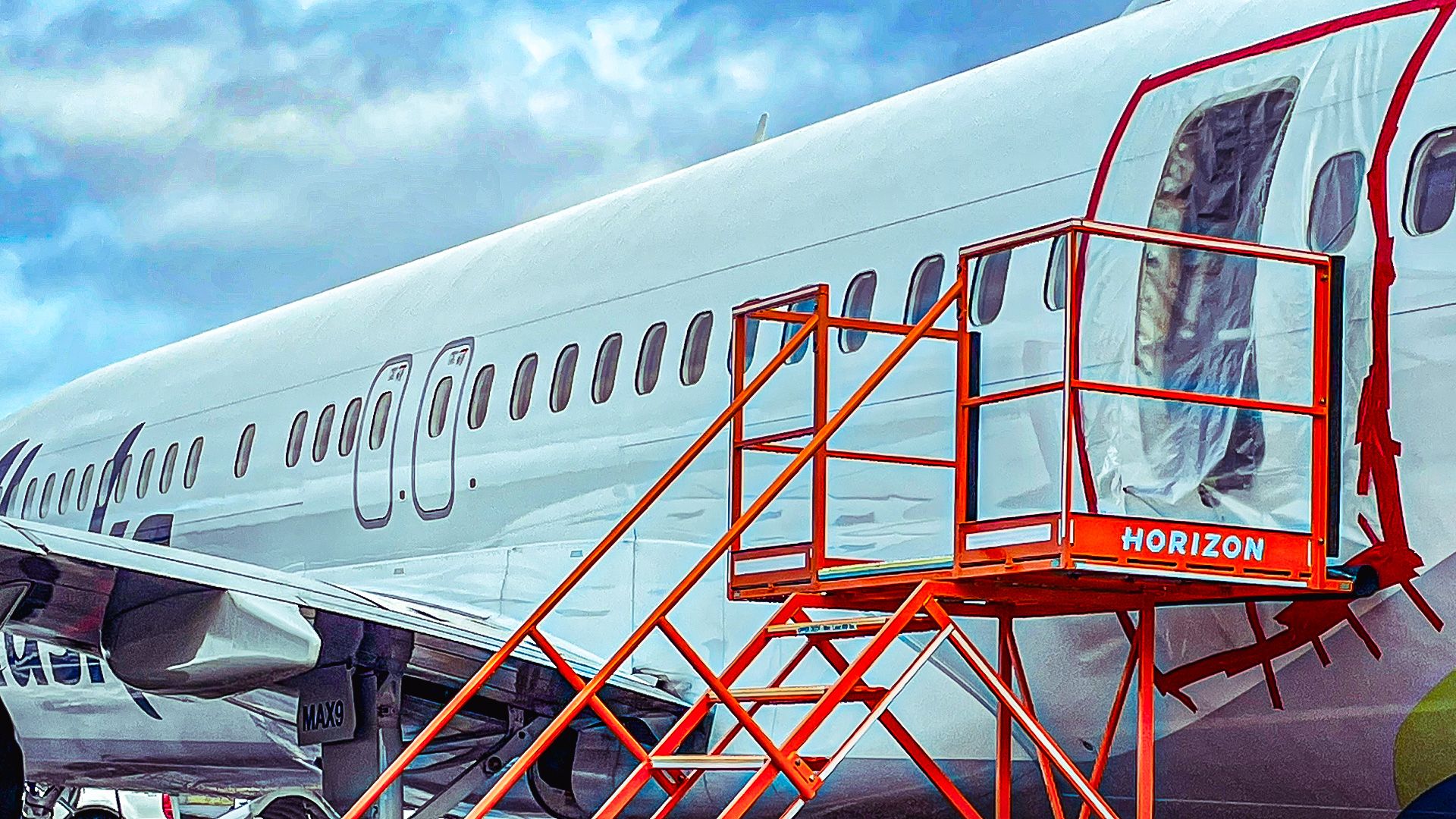
On January 5, 2024, Alaska Airlines flight 1282 suffered a catastrophic incident when a door plug blew out midair. The Boeing 737 MAX 9, en route from Portland, Oregon, experienced a malfunction at around 14,000 feet, leading to a dramatic cabin decompression. The airline quickly grounded the aircraft and ultimately decided to sell it back to Boeing due to the severity and implications of the incident.
Following the incident, Alaska Airlines reached an agreement with Boeing for the buyback of the affected aircraft, originally registered as N704AL. The formal return occurred in late April 2024 after the faulty door plug had been repaired by Spirit AeroSystems. Despite the repairs, Alaska Airlines opted not to return the aircraft to service, marking a significant shift in its operational strategy.
Reasons Behind the Decision
Alaska Airlines’ choice to divest from the 737 MAX 9 rather than repair it reflects a commitment to customer safety and trust. Although the airline was not at fault, as confirmed by the National Transportation Safety Board (NTSB), the psychological impact of the incident likely influenced its decision. The NTSB determined that the failure stemmed from a manufacturing oversight by Boeing and Spirit AeroSystems, specifically the failure to reinstall four critical bolts after repairs were made during production.
The incident has prompted Alaska Airlines to enhance its quality control measures under the leadership of new CEO Kelly Ortberg. The airline has focused on eliminating practices known as “travel work,” which involve splitting tasks between different teams, increasing the risk of oversight. By distancing itself from the aircraft involved in the mishap, Alaska Airlines aims to reassure customers of its commitment to safety.
The Incident and Its Aftermath
During flight 1282, the ejection of the 60-pound door plug created a dangerous drop in cabin pressure, resulting in chaos for the passengers onboard. Reports indicate that personal items were sucked out of the aircraft, and only eight of the 177 passengers sustained minor injuries. Remarkably, no one was seated in the two rows directly in front of the door plug, preventing what could have been a more tragic outcome.
The fallout from the incident was significant. Alaska Airlines grounded its entire fleet of 65 Boeing 737 MAX 9 aircraft for approximately three weeks, leading to 110 to 150 daily flight cancellations. Financially, this disruption cost the airline an estimated $150 million to $160 million in lost revenue during the first quarter of 2024 alone. The grounding also forced Alaska to adjust its capacity growth expectations for the year, cutting them by nearly half.
In an effort to mitigate these losses, Alaska Airlines negotiated substantial compensation from Boeing. Initial payments totaled $160 million, with further undisclosed compensation likely including aircraft discounts and credits. Despite reaching some settlements, Alaska remains embroiled in ongoing litigation, including a high-profile case where three passengers filed a $1 billion lawsuit against both Alaska Airlines and Boeing.
Captain Brandon Fisher, who was piloting flight 1282, has also initiated legal proceedings against Boeing, alleging that the company attempted to portray the flight crew as responsible for the incident. This lawsuit, along with claims from four flight attendants who experienced physical and emotional trauma, highlights the broader implications of the incident on those directly involved.
The investigation into the incident revealed serious lapses in manufacturing practices at both Boeing and Spirit AeroSystems. FAA inspectors discovered that technicians used unapproved materials during assembly and failed to document critical repairs properly. These oversights contributed to a significant failure rate in product tests conducted during an FAA audit, raising alarms about the safety culture within Boeing’s production facilities.
In response to these findings, the FAA announced that it would intensify its oversight of Boeing, revising its safety protocols to ensure that such systemic failures do not occur again. The agency emphasized that it takes NTSB recommendations seriously and will continue to monitor Boeing’s compliance with safety standards closely.
As Alaska Airlines prepares to receive a new 737 MAX 10 to replace the sold aircraft, the airline remains focused on restoring its reputation and ensuring the safety of its passengers. The fallout from the door plug incident serves as a stark reminder of the complexities and challenges faced by the aviation industry in maintaining safety standards and trust.










Morris Churches Unite for Annual Good Friday Walk With the Cross

Chloe Zhao’s ‘Buffy’ Reboot Cancelled: Sarah Michelle Gellar Speaks Out

Essential Ingredients for Life Found in Ryugu Asteroid Samples

Urgent Rescue: NSR Airlifts Injured Climber from Nanaimo

Riverside Heart Ball Achieves Record $815,000 for Mental Health

Cognizant Launches AI Factory to Enhance Enterprise AI Scalability

Samsung’s Galaxy Watch 9 to Feature Larger Battery Than Before

Toronto’s AIDS Memorial Faces Potential Redesign Amid Community Concerns

Bayern Munich Loses Luis Díaz Red Card Appeal Despite Referee’s Admission

Secwepemc First Nation Seeks Aboriginal Title Over Kamloops Area

Fatal Crash on Highway 11 Claims Three Lives, Major Closure Ongoing

Manitoba’s Burger Champion Shines Again Amid Dining Innovations

Canadian Curler E.J. Harnden Announces Retirement from Competition

Urgent Fire Erupts at Salvation Army on Christmas Evening

Scientists Unearth Ancient Antarctic Ice to Unlock Climate Secrets

Minister Faces Scrutiny Over Delayed Foreign Interference Watchdog Appointment

Trump and McCormick to Announce $70 Billion Energy Investments

Four Astronauts Return to Earth After International Space Station Mission
-
 Politics5 months ago
Secwepemc First Nation Seeks Aboriginal Title Over Kamloops Area
-
 Top Stories4 months ago
Fatal Crash on Highway 11 Claims Three Lives, Major Closure Ongoing
-
 Lifestyle7 months ago
Manitoba’s Burger Champion Shines Again Amid Dining Innovations
-
 Sports3 months ago
Canadian Curler E.J. Harnden Announces Retirement from Competition
-
 Top Stories3 months ago
Urgent Fire Erupts at Salvation Army on Christmas Evening
-
 World9 months ago
Scientists Unearth Ancient Antarctic Ice to Unlock Climate Secrets
-
 World5 months ago
Minister Faces Scrutiny Over Delayed Foreign Interference Watchdog Appointment
-
 Entertainment9 months ago
Trump and McCormick to Announce $70 Billion Energy Investments
-
 Science9 months ago
Four Astronauts Return to Earth After International Space Station Mission
-

 Lifestyle9 months ago
TransLink Launches Food Truck Program to Boost Revenue in Vancouver
-

 Lifestyle9 months ago
Monika Hibbs Unveils Acres Market & Interiors in Major Rebrand
-

 World1 month ago
Ranchman’s Cookhouse & Dancehall to Relocate by Early 2027