
World
American Airlines: A Century of Evolution and Dominance

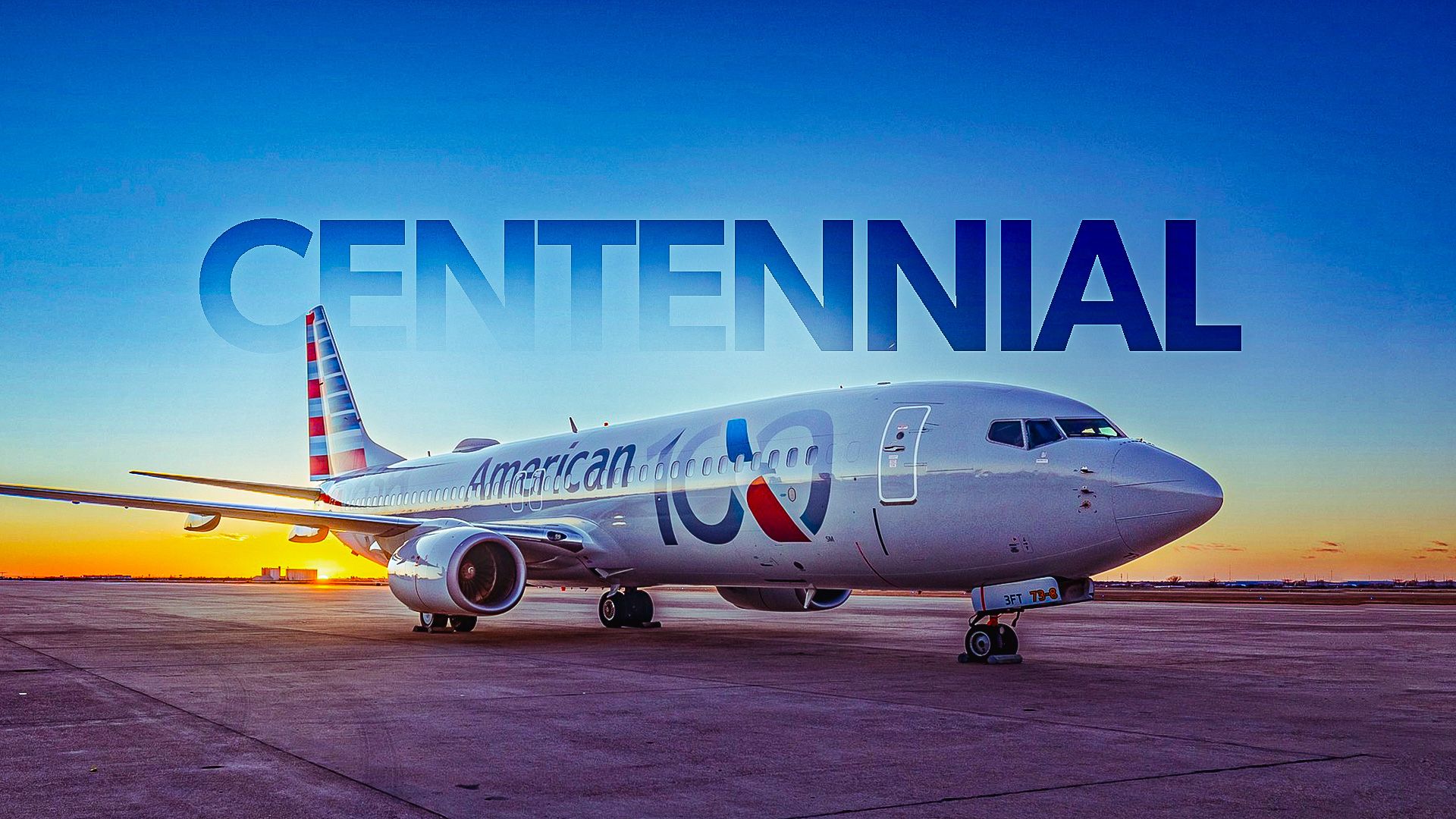
American Airlines, headquartered in Fort Worth, Texas, has celebrated nearly a century of operations, evolving into the world’s largest airline by several key metrics. The company has undergone significant transformations since its inception in 1926, adapting to changes in the aviation landscape and consumer demands. Today, it stands as a vital connector between the United States and Latin America, particularly from its hub at Miami International Airport (MIA).
Tracing the Origins of American Airlines
The origins of American Airlines date back to a consolidation of various smaller carriers under the name American Airways in 1930. Under the leadership of airline pioneer C.R. Smith, the company standardized operations and aircraft, launching a coast-to-coast network that prioritized reliability and scheduling. The introduction of the Douglas DC-3 in 1936 marked a significant milestone, as it enabled American Airlines to become the first carrier to use this aircraft in commercial service, enhancing the viability of scheduled passenger flights.
The airline’s stock market debut on the New York Stock Exchange in 1939 highlighted its transition from a small-scale operation to a significant corporate entity. These foundational years set the stage for American Airlines to assert itself as a major player in the aviation industry.
Expansion and Innovation Through the Decades
The post-World War II period was transformative for American Airlines. The airline transitioned from proving the viability of air travel to building the infrastructure necessary for growth. In 1944, it launched what it claimed was the world’s first scheduled air cargo service from LaGuardia Airport (LGA). This innovation showcased the airline’s ability to monetize its operations beyond passenger travel.
American Airlines extended its reach internationally in 1945 with transatlantic services through its subsidiary, American Overseas Airlines. The establishment of a maintenance and engineering base in Tulsa in 1946 underscored the airline’s commitment to reliability and cost control.
In the 1950s, the airline pioneered nonstop transcontinental service with the Douglas DC-7 and later transitioned into the jet age with the Boeing 707 in 1959. These advancements marked a shift toward speed and efficiency that would define American Airlines’ competitive edge.
The 1960s and 1970s saw further modernization and diversification. American Airlines became a leader in commercial aviation, hiring its first black commercial pilot, David Harris, in 1964. The launch of the Sabre reservations system in the same year revolutionized seat inventory management, setting a new standard in the industry.
The 1978 deregulation of the airline industry prompted American Airlines to further refine its pricing strategies. The introduction of SuperSaver fares allowed the airline to segment leisure and business travel, paving the way for innovative revenue management practices.
American Airlines expanded its reach in the Caribbean through the merger with Trans Caribbean Airways in 1970. In 1981, the airline launched the AAdvantage loyalty program, which became a crucial element in customer retention and monetization, further solidifying its market position.
The 1990s marked a period of significant growth, with the airline celebrating its billionth customer in 1991 and making all flights nonsmoking by 1997. American Airlines also played a pivotal role in establishing the oneworld alliance in 1999, which expanded its global network and fostered partnerships with other major carriers.
American Airlines Today: Challenges and Innovations
As American Airlines approaches its centennial in 2026, it continues to navigate the complexities of the aviation market. The merger with US Airways in 2013 formed the American Airlines Group, solidifying its position as a leading legacy carrier. The airline is now focused on enhancing its premium offerings to attract high-value travelers.
Recent initiatives include expanding operations at O’Hare International Airport (ORD), where it announced plans for 100 additional daily departures to meet rising demand. Additionally, a rollout of complimentary high-speed Wi-Fi for AAdvantage members is set to begin in January 2026, reflecting a shift towards customer-centric innovations.
Despite the challenges posed by fluctuating fuel prices and competitive pressures, American Airlines remains a formidable player in global aviation. The airline’s commitment to sustainability is also evident, as it has set validated emissions-reduction targets, aligning its operational goals with environmental responsibility.
In summary, the journey of American Airlines from its humble beginnings to its current status as a dominant force in the airline industry illustrates not only its resilience but also its ability to adapt and innovate in a constantly changing market. As it prepares for its centennial celebration, the airline continues to define the future of aviation while honoring its storied past.












Morris Churches Unite for Annual Good Friday Walk With the Cross

Chloe Zhao’s ‘Buffy’ Reboot Cancelled: Sarah Michelle Gellar Speaks Out

Essential Ingredients for Life Found in Ryugu Asteroid Samples

Urgent Rescue: NSR Airlifts Injured Climber from Nanaimo

Riverside Heart Ball Achieves Record $815,000 for Mental Health

Cognizant Launches AI Factory to Enhance Enterprise AI Scalability

Samsung’s Galaxy Watch 9 to Feature Larger Battery Than Before

Toronto’s AIDS Memorial Faces Potential Redesign Amid Community Concerns

Bayern Munich Loses Luis Díaz Red Card Appeal Despite Referee’s Admission

Secwepemc First Nation Seeks Aboriginal Title Over Kamloops Area

Fatal Crash on Highway 11 Claims Three Lives, Major Closure Ongoing

Manitoba’s Burger Champion Shines Again Amid Dining Innovations

Canadian Curler E.J. Harnden Announces Retirement from Competition

Urgent Fire Erupts at Salvation Army on Christmas Evening

Scientists Unearth Ancient Antarctic Ice to Unlock Climate Secrets

Minister Faces Scrutiny Over Delayed Foreign Interference Watchdog Appointment

Trump and McCormick to Announce $70 Billion Energy Investments

Monika Hibbs Unveils Acres Market & Interiors in Major Rebrand
-
 Politics5 months ago
Secwepemc First Nation Seeks Aboriginal Title Over Kamloops Area
-
 Top Stories4 months ago
Fatal Crash on Highway 11 Claims Three Lives, Major Closure Ongoing
-
 Lifestyle7 months ago
Manitoba’s Burger Champion Shines Again Amid Dining Innovations
-
 Sports4 months ago
Canadian Curler E.J. Harnden Announces Retirement from Competition
-
 Top Stories4 months ago
Urgent Fire Erupts at Salvation Army on Christmas Evening
-
 World9 months ago
Scientists Unearth Ancient Antarctic Ice to Unlock Climate Secrets
-
 World5 months ago
Minister Faces Scrutiny Over Delayed Foreign Interference Watchdog Appointment
-
 Entertainment9 months ago
Trump and McCormick to Announce $70 Billion Energy Investments
-
 Lifestyle9 months ago
Monika Hibbs Unveils Acres Market & Interiors in Major Rebrand
-

 Science9 months ago
Four Astronauts Return to Earth After International Space Station Mission
-

 Lifestyle9 months ago
TransLink Launches Food Truck Program to Boost Revenue in Vancouver
-

 World2 months ago
Ranchman’s Cookhouse & Dancehall to Relocate by Early 2027