
World
Boeing Seeks Emissions Waiver for 777 Freighter Amid Delays

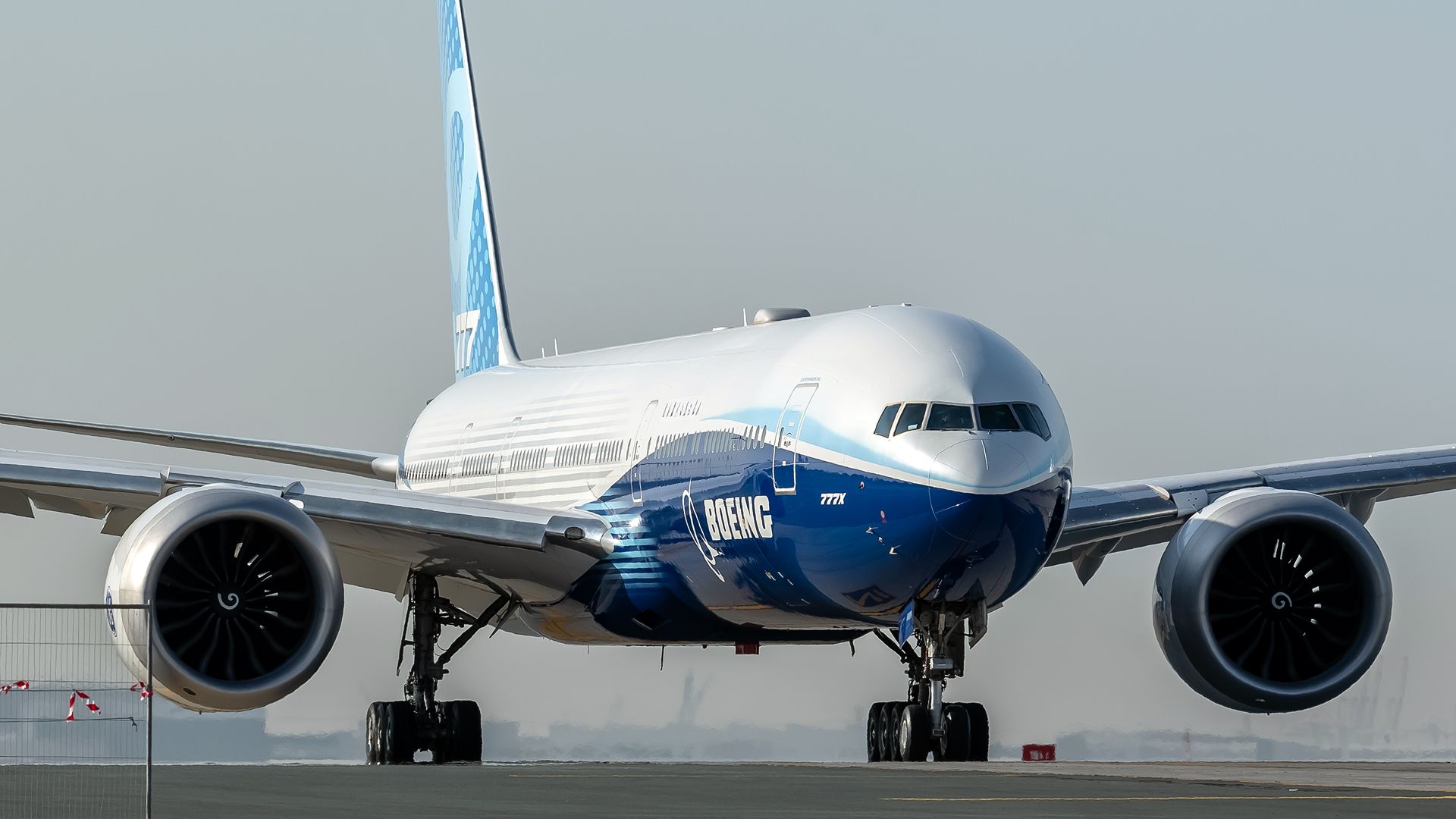
Boeing has formally requested a waiver from the Federal Aviation Administration (FAA) to exempt the Boeing 777 Freighter from new emissions standards as the certification and entry into service for the Boeing 777-8F face significant delays. This petition, submitted on December 19, 2023, seeks permission to sell an additional 35 Boeing 777F aircraft, which would otherwise be rendered ineligible for certification due to stricter fuel efficiency regulations set to take effect on January 1, 2028.
In its argument, Boeing emphasizes the need for this exemption to avoid a supply gap in the widebody freighter segment. The company contends that maintaining a steady flow of large freighters is crucial for the global cargo network, especially as demand for air freight continues to rise. The current Boeing 777F model reportedly meets the upcoming fuel-efficiency limits, while the 777-8F, its successor, is expected to be compliant but will not be available in time to fill the gap.
Details of the Waiver Request
Boeing’s petition highlights that the upcoming emissions rules will prevent the sale of the 777F after the end of 2027. The FAA’s international carbon emissions framework mandates that aircraft exceeding specific fuel-efficiency thresholds cannot obtain new airworthiness certificates post-deadline, effectively ending the production of the 777F. Boeing is urging regulators to consider the waiver for 35 aircraft to ensure an uninterrupted supply of freighters until the 777-8F is ready for operation.
This request poses a dilemma for regulators, who aim to encourage the adoption of cleaner, newer jets while balancing industry needs. Boeing has pointed out that large freighters account for a significant portion of high-value air exports, framing the waiver as a necessary measure to support trade and supply chains.
Market Dynamics and Competitive Pressures
The competitive landscape further complicates Boeing’s position. The company faces pressure from Airbus, which is developing the A350F and plans to enter the market in the second half of 2027. Boeing maintains that the GE90-powered Boeing 777F is the most fuel-efficient high-capacity freighter available, essential for the growth of the e-commerce sector.
Analysts have raised concerns about the potential timeline for the 777-8F, suggesting it may not enter service until as late as 2029, with some customers eyeing a 2030 debut. This delay threatens to exacerbate a shortage of large freighters, especially as airlines retire older models to meet increasing demand for timely cargo delivery.
The recent fatal crash of a UPS Airlines MD-11F has intensified scrutiny on the availability and safety of freighter aircraft, highlighting the urgency of addressing the current cargo capacity crunch. Boeing argues that without new production, airlines may continue to operate older, less efficient freighters, undermining the efficiency improvements intended by the new regulations.
Boeing underscores that each exported Boeing 777F corresponds to approximately $440 million in transaction value, emphasizing the broader economic implications of the waiver request. As the company navigates these regulatory and market challenges, the outcome of its petition could significantly impact the future of the global air freight industry.













Morris Churches Unite for Annual Good Friday Walk With the Cross

Chloe Zhao’s ‘Buffy’ Reboot Cancelled: Sarah Michelle Gellar Speaks Out

Essential Ingredients for Life Found in Ryugu Asteroid Samples

Urgent Rescue: NSR Airlifts Injured Climber from Nanaimo

Riverside Heart Ball Achieves Record $815,000 for Mental Health

Cognizant Launches AI Factory to Enhance Enterprise AI Scalability

Samsung’s Galaxy Watch 9 to Feature Larger Battery Than Before

Toronto’s AIDS Memorial Faces Potential Redesign Amid Community Concerns

Bayern Munich Loses Luis Díaz Red Card Appeal Despite Referee’s Admission

Secwepemc First Nation Seeks Aboriginal Title Over Kamloops Area

Fatal Crash on Highway 11 Claims Three Lives, Major Closure Ongoing

Manitoba’s Burger Champion Shines Again Amid Dining Innovations

Canadian Curler E.J. Harnden Announces Retirement from Competition

Urgent Fire Erupts at Salvation Army on Christmas Evening

Scientists Unearth Ancient Antarctic Ice to Unlock Climate Secrets

Minister Faces Scrutiny Over Delayed Foreign Interference Watchdog Appointment

Trump and McCormick to Announce $70 Billion Energy Investments

Monika Hibbs Unveils Acres Market & Interiors in Major Rebrand
-
 Politics5 months ago
Secwepemc First Nation Seeks Aboriginal Title Over Kamloops Area
-
 Top Stories4 months ago
Fatal Crash on Highway 11 Claims Three Lives, Major Closure Ongoing
-
 Lifestyle7 months ago
Manitoba’s Burger Champion Shines Again Amid Dining Innovations
-
 Sports3 months ago
Canadian Curler E.J. Harnden Announces Retirement from Competition
-
 Top Stories3 months ago
Urgent Fire Erupts at Salvation Army on Christmas Evening
-
 World9 months ago
Scientists Unearth Ancient Antarctic Ice to Unlock Climate Secrets
-
 World5 months ago
Minister Faces Scrutiny Over Delayed Foreign Interference Watchdog Appointment
-
 Entertainment9 months ago
Trump and McCormick to Announce $70 Billion Energy Investments
-
 Lifestyle9 months ago
Monika Hibbs Unveils Acres Market & Interiors in Major Rebrand
-

 Science9 months ago
Four Astronauts Return to Earth After International Space Station Mission
-

 Lifestyle9 months ago
TransLink Launches Food Truck Program to Boost Revenue in Vancouver
-

 World1 month ago
Ranchman’s Cookhouse & Dancehall to Relocate by Early 2027