
World
Family of Colombian Man Challenges U.S. Military Strikes After Death

The family of a Colombian man, Alejandro Carranza, has formally challenged U.S. military actions in the Caribbean, claiming his death during a military strike constitutes an extrajudicial killing. The petition was submitted to the Inter-American Commission on Human Rights on September 15, 2023, following an incident in which Carranza’s fishing boat was bombed off Colombia’s Caribbean coast.
In the petition, Carranza’s family asserts that the strike violated international human rights conventions. They are seeking compensation, as Carranza was the primary breadwinner for his four children and spouse. Daniel Kovalik, the family’s attorney, stated that the family opted for this international avenue due to the challenges they would face in a federal case against the U.S. government. Kovalik remarked, “The U.S. does not subject itself to accountability, so we’re using the avenues we have before us.”
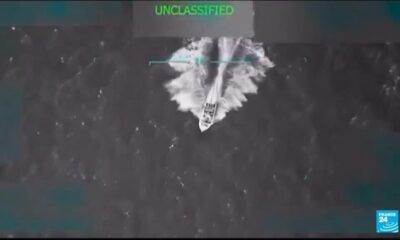
The U.S. military has reportedly carried out over 80 strikes since early September, targeting vessels suspected of drug trafficking. These operations began off the coast of Venezuela and extended into the eastern Pacific Ocean. The Trump administration has not disclosed specific details regarding those killed in the strikes, but officials claim that members of foreign terrorist organizations were operating the targeted boats.
On the day of Carranza’s death, three people were killed in the strike. When questioned about the justification for the attack, President Donald Trump claimed that evidence of drug trafficking included “big bags of cocaine and fentanyl” found in the water. No photographic evidence supporting these claims has been made public by the military or the White House.
Kovalik has denied that Carranza’s boat was involved in drug trafficking and expressed uncertainty about the presence of other individuals on board during the attack. He noted his engagement with the Carranza family in northern Colombia, where they expressed their grief and the threats they have received since the incident. Colombian President Gustavo Petro has labeled the strikes as “murders,” criticizing the excessive use of force.
The petition cites various reports, including articles from The New York Times and The Washington Post, as evidence of the family’s claims. It details the threats faced by the family, stating, “The victims do not have adequate and effective resources in Colombia to obtain reparations … even if such resources existed, the victims could not exercise them safely, given that they have been threatened by right-wing paramilitaries simply for denouncing Mr. Carranza’s murder.”
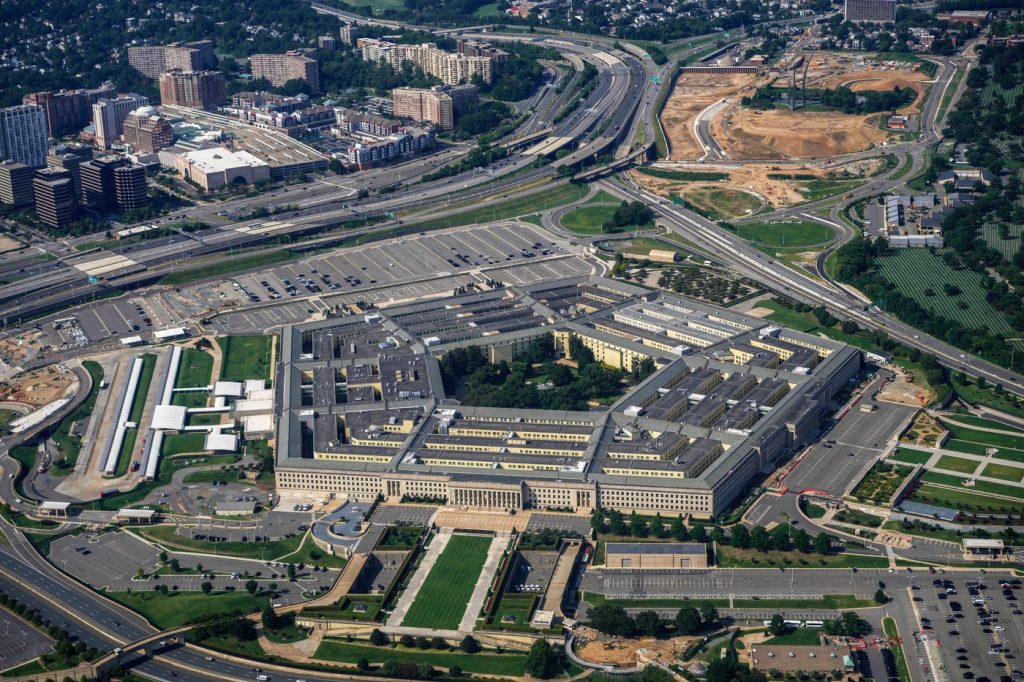
The Pentagon has yet to respond to inquiries regarding the complaint. The military’s operations have drawn increasing scrutiny, particularly following reports that Pete Hegseth, Secretary of Defense, allegedly issued a command to “kill everybody” on a targeted boat, with subsequent strikes reportedly killing two survivors from the initial attack. Hegseth defended the admiral involved, stating that he “had complete authority” to make the decision.
In a recent statement, Trump indicated that U.S. military strikes may soon extend to land operations. He did not specify locations but suggested potential targets could include Colombia, a major producer of cocaine. “We know where they live. We know where the bad ones live. And we’re going to start that very soon, too,” Trump stated, emphasizing the U.S. commitment to targeting drug traffickers.
As the Carranza family seeks justice, the outcome of their petition may have broader implications for U.S. military operations in the region and the accountability mechanisms available to victims of extrajudicial actions.











Sentencing Hearing for B.C. Mom’s Killer Adjourned Amid Shock

Surrey Mayor Rejects $91M Police Budget, Threatens 18% Tax Hike

Crofton Mill Closure Hits Community Hard, 350 Jobs Lost

Kelowna Tiny Home Project Fails to Meet Success Claims

DIY Houseboat “Neverlanding” Docks in Michigan After Epic Journey

Man Awaits Sentencing After Stabbing TTC Rider, Victim Critical

Vancouver Man Wins $500,000 Lottery, Plans Condo Purchase Now

United Airlines Reduces Boeing 777 Flight Schedule for December

Judges’ Association Challenges Government Over $28K Pay Increase Denial

Secwepemc First Nation Seeks Aboriginal Title Over Kamloops Area

Scientists Unearth Ancient Antarctic Ice to Unlock Climate Secrets

Trump and McCormick to Announce $70 Billion Energy Investments

Four Astronauts Return to Earth After International Space Station Mission

TransLink Launches Food Truck Program to Boost Revenue in Vancouver

Apple Notes Enhances Functionality with Markdown Support in macOS 26

Manitoba’s Burger Champion Shines Again Amid Dining Innovations

Urgent Update: Fatal Crash on Highway 99 Claims Life of Pitt Meadows Man

Ukrainian Tennis Star Elina Svitolina Faces Death Threats Online
-
 Politics4 weeks ago
Secwepemc First Nation Seeks Aboriginal Title Over Kamloops Area
-
 World5 months ago
Scientists Unearth Ancient Antarctic Ice to Unlock Climate Secrets
-
 Entertainment5 months ago
Trump and McCormick to Announce $70 Billion Energy Investments
-
 Science5 months ago
Four Astronauts Return to Earth After International Space Station Mission
-
 Lifestyle5 months ago
TransLink Launches Food Truck Program to Boost Revenue in Vancouver
-
 Technology3 months ago
Apple Notes Enhances Functionality with Markdown Support in macOS 26
-
 Lifestyle3 months ago
Manitoba’s Burger Champion Shines Again Amid Dining Innovations
-
 Top Stories2 months ago
Urgent Update: Fatal Crash on Highway 99 Claims Life of Pitt Meadows Man
-
 Politics4 months ago
Ukrainian Tennis Star Elina Svitolina Faces Death Threats Online
-

 Sports5 months ago
Search Underway for Missing Hunter Amid Hokkaido Bear Emergency
-

 Politics5 months ago
Carney Engages First Nations Leaders at Development Law Summit
-

 Technology5 months ago
Frosthaven Launches Early Access on July 31, 2025