
World
Fighter Pilots’ Salaries in the US Air Force Reach New Heights in 2026

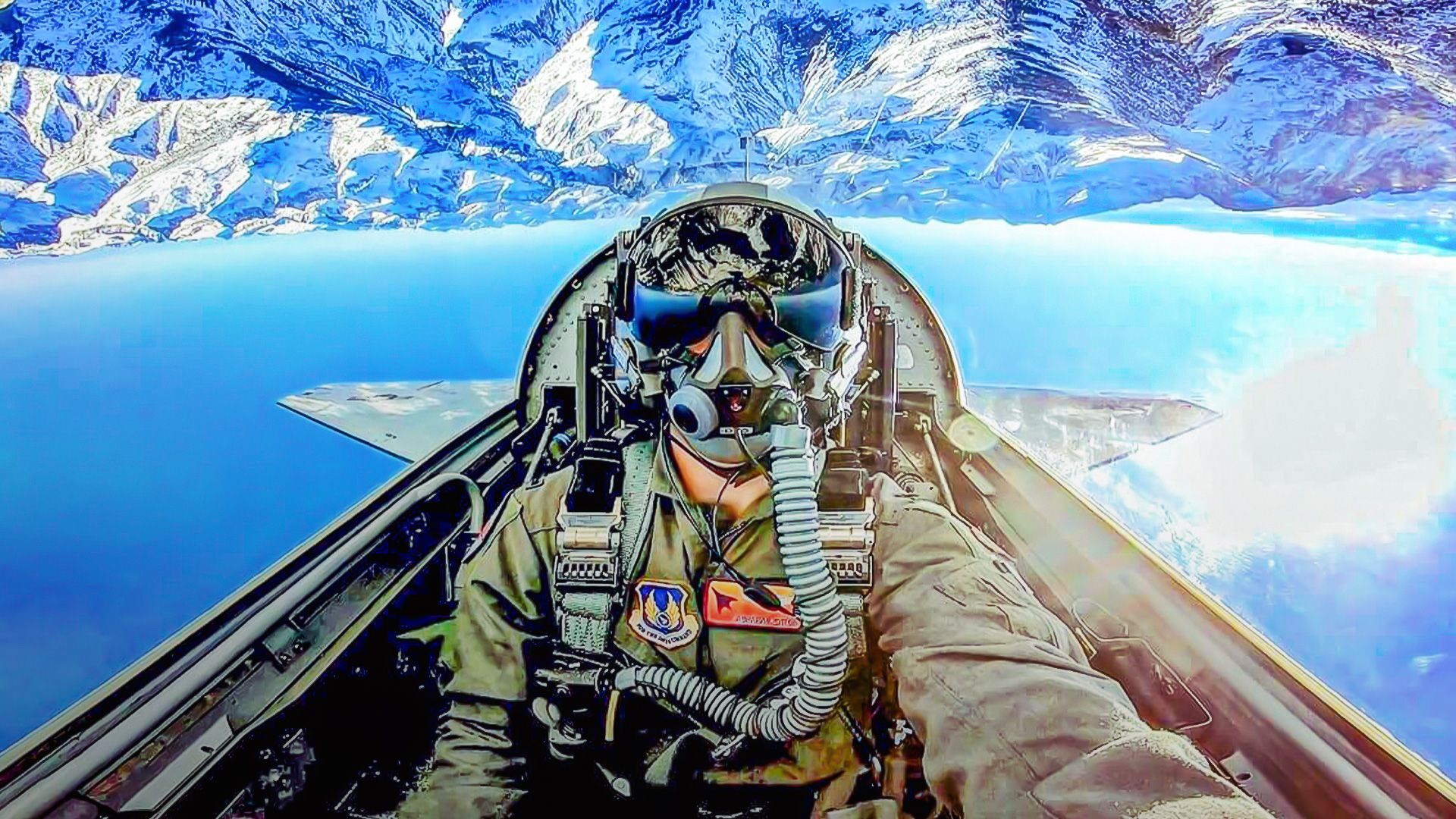
The compensation structure for fighter pilots in the United States Air Force (USAF) is multifaceted, especially as it evolves in 2026. Each pilot’s salary is influenced by their rank, years of service, location, and specific flying status, rather than a single standard figure. A newly commissioned Second Lieutenant begins with a base monthly salary in the low $4,000s, which can increase significantly as they progress through their careers.
In 2026, the starting monthly salary for a Second Lieutenant is approximately $4,150.20, translating to an annual income of around $49,800. As pilots advance to the rank of First Lieutenant after about two years, their base pay increases to about $4,782 per month. This incremental rise is further enhanced by aviation-specific incentives and allowances, such as the Basic Allowance for Subsistence (BAS), which is about $328 per month.
Training Pathways to Becoming a Fighter Pilot
Becoming a fighter pilot in the USAF is a rigorous and competitive process. Candidates must first become commissioned officers through various programs, including the United States Air Force Academy or Officer Training School. The selection process involves extensive assessments, including the Pilot Candidate Selection Method (PCSM) score, physical examinations, and Medical Flight Screening (MFS), which evaluates candidates’ physical and psychological fitness.
Once selected, pilot candidates undergo initial flight screenings and then proceed to Undergraduate Pilot Training (UPT). Here, they start with the T-6 trainer to develop fundamental airmanship skills before progressing to more advanced maneuvers and aircraft. After completing UPT, they transition to the T-38 Talon for advanced fighter training, culminating in the Introduction to Fighter Fundamentals (IFF) program. This comprehensive training pathway can take several years before pilots are combat-ready.
Compensation During Early Career Years
In the initial years of their careers, fighter pilots typically earn salaries similar to other commissioned officers, augmented by additional flying-related allowances. For instance, a newly commissioned Second Lieutenant’s monthly pay reflects base salary without significant bonuses.
As pilots gain experience and move into the role of Captain, salaries can reach up to $7,382 monthly, amounting to around $88,592 annually. Over time, many pilots will see their compensation cross into six figures, especially as they accumulate aviation service years. The Aviation Incentive Pay can start at around $150 per month and can increase to about $700 after six years of service, further enhancing overall compensation.
Housing allowances also play a crucial role in the financial picture, varying widely based on duty station and personal circumstances. Young pilots may receive allowances that average around $1,800 monthly, adding substantial tax-advantaged income to their overall pay package.
Salaries for Senior Pilots
For senior USAF pilots, including Majors, Lieutenant Colonels, and Colonels, compensation becomes more straightforward and significantly higher. As they advance in rank, base salaries often exceed $100,000. With the addition of flight pay, which increases with seniority, and various housing allowances, these pilots can enjoy a comprehensive compensation package.
Senior pilots also benefit from retention incentives, particularly when the Air Force seeks to retain experienced aviators. Their roles often expand beyond flying into leadership positions, including instructor and evaluator roles, further adding to their responsibilities and compensation.
Comparison with Civilian Pilot Salaries
When compared to their civilian counterparts, fighter pilots’ salaries can vary significantly. According to the U.S. Bureau of Labor Statistics, the median salary for airline pilots is approximately $226,000 annually. New first officers at major airlines can earn salaries in the $100,000 to $200,000 range, while senior captains may exceed $400,000 per year.
Despite the potential for higher earnings in civilian aviation, many pilots are drawn to military service for reasons beyond compensation. The unique experience of flying advanced military aircraft, such as the F-16 Fighting Falcon or F-35 Lightning II, remains a significant motivation.
For those who choose to transition from military to civilian careers, former fighter pilots have successfully moved into various roles, including positions in government and private sector leadership. The rigorous training and discipline gained in the USAF often serve as valuable assets in their post-military endeavors.
In conclusion, while becoming a fighter pilot entails years of dedication and training, the financial rewards and personal fulfillment continue to attract individuals to this demanding profession.











Morris Churches Unite for Annual Good Friday Walk With the Cross

Chloe Zhao’s ‘Buffy’ Reboot Cancelled: Sarah Michelle Gellar Speaks Out

Essential Ingredients for Life Found in Ryugu Asteroid Samples

Urgent Rescue: NSR Airlifts Injured Climber from Nanaimo

Riverside Heart Ball Achieves Record $815,000 for Mental Health

Cognizant Launches AI Factory to Enhance Enterprise AI Scalability

Samsung’s Galaxy Watch 9 to Feature Larger Battery Than Before

Toronto’s AIDS Memorial Faces Potential Redesign Amid Community Concerns

Bayern Munich Loses Luis Díaz Red Card Appeal Despite Referee’s Admission

Secwepemc First Nation Seeks Aboriginal Title Over Kamloops Area

Fatal Crash on Highway 11 Claims Three Lives, Major Closure Ongoing

Manitoba’s Burger Champion Shines Again Amid Dining Innovations

Canadian Curler E.J. Harnden Announces Retirement from Competition

Urgent Fire Erupts at Salvation Army on Christmas Evening

Scientists Unearth Ancient Antarctic Ice to Unlock Climate Secrets

Minister Faces Scrutiny Over Delayed Foreign Interference Watchdog Appointment

Trump and McCormick to Announce $70 Billion Energy Investments

Monika Hibbs Unveils Acres Market & Interiors in Major Rebrand
-
 Politics5 months ago
Secwepemc First Nation Seeks Aboriginal Title Over Kamloops Area
-
 Top Stories4 months ago
Fatal Crash on Highway 11 Claims Three Lives, Major Closure Ongoing
-
 Lifestyle7 months ago
Manitoba’s Burger Champion Shines Again Amid Dining Innovations
-
 Sports3 months ago
Canadian Curler E.J. Harnden Announces Retirement from Competition
-
 Top Stories4 months ago
Urgent Fire Erupts at Salvation Army on Christmas Evening
-
 World9 months ago
Scientists Unearth Ancient Antarctic Ice to Unlock Climate Secrets
-
 World5 months ago
Minister Faces Scrutiny Over Delayed Foreign Interference Watchdog Appointment
-
 Entertainment9 months ago
Trump and McCormick to Announce $70 Billion Energy Investments
-
 Lifestyle9 months ago
Monika Hibbs Unveils Acres Market & Interiors in Major Rebrand
-

 Science9 months ago
Four Astronauts Return to Earth After International Space Station Mission
-

 Lifestyle9 months ago
TransLink Launches Food Truck Program to Boost Revenue in Vancouver
-

 World1 month ago
Ranchman’s Cookhouse & Dancehall to Relocate by Early 2027