
World
Japan Bids Farewell to Last Pandas as Ties with China Strain

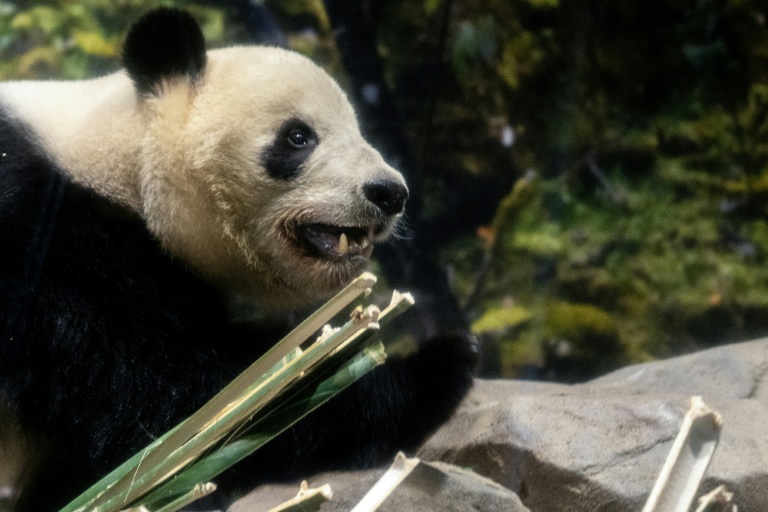
Two beloved pandas, Lei Lei and Xiao Xiao, are set to leave their home at the Ueno Zoological Gardens in Tokyo for China on November 7, 2023. This marks a significant moment for Japan, as it will be the first time in 50 years that the country is without any pandas, coinciding with strained diplomatic relations between Japan and China. The departure of the four-year-old twins has disappointed many fans who have grown attached to them during their time in Japan.
“I came to share the same air with them and to say, ‘Hope you’ll be OK,’” said a visitor to the zoo, reflecting the sentiments of many who have visited to bid farewell. The pandas’ return was announced last month amid diplomatic tensions sparked by comments from Japanese Prime Minister Sanae Takaichi, who suggested that Japan could intervene militarily if Taiwan were attacked. This statement has provoked a strong response from Beijing, which considers Taiwan a part of its territory.
The pandas were part of China’s “panda diplomacy,” symbolizing friendship between the two nations since diplomatic ties were established in 1972. Their repatriation comes just ahead of the expiration of their loan period, which ends in February 2024. The Tokyo Metropolitan Government, which manages Ueno Zoo, has indicated that Japan is interested in securing a new pair of pandas. Yet, a recent poll by the Asahi Shimbun revealed that 70 percent of respondents do not support negotiations with China for a new lease, while only 26 percent do.
On Sunday, Ueno Zoo hosted around 4,400 visitors, selected through an online lottery, to see the pandas one last time. Despite the ticket limitations, many passionate fans turned out, donning panda-themed apparel and accessories to show their affection for the animals.
Relations between Japan and China have further deteriorated, with Beijing discouraging its citizens from traveling to Japan due to concerns over public safety and incidents involving Chinese nationals. Additionally, reports suggest China is restricting exports of rare-earth materials crucial for various industries, including electric vehicles and defense.
Despite the tense atmosphere, some experts indicate that the pandas’ removal may not be politically charged. Masaki Ienaga, a professor at Tokyo Woman’s Christian University and an authority on East Asian international relations, noted that the timing of panda relocations is often strategic. “If you talk about (Chinese) politics, the timing of sending pandas is what counts,” Ienaga explained, suggesting that pandas could return to Japan if relations improve.
Other nations also engage in animal diplomacy, such as Thailand with its elephants and Australia with koalas, but pandas hold a unique appeal. “They have strong customer-drawing power, and they can earn money,” Ienaga added, highlighting the economic significance of these animals beyond their diplomatic role.
As Japan prepares to part ways with its last pandas, the incident serves as a stark reminder of the intertwined nature of culture, diplomacy, and public sentiment in international relations. With their departure, many in Japan are left reflecting on the broader implications of these strained ties with China.












Morris Churches Unite for Annual Good Friday Walk With the Cross

Chloe Zhao’s ‘Buffy’ Reboot Cancelled: Sarah Michelle Gellar Speaks Out

Essential Ingredients for Life Found in Ryugu Asteroid Samples

Urgent Rescue: NSR Airlifts Injured Climber from Nanaimo

Riverside Heart Ball Achieves Record $815,000 for Mental Health

Cognizant Launches AI Factory to Enhance Enterprise AI Scalability

Samsung’s Galaxy Watch 9 to Feature Larger Battery Than Before

Toronto’s AIDS Memorial Faces Potential Redesign Amid Community Concerns

Bayern Munich Loses Luis Díaz Red Card Appeal Despite Referee’s Admission

Secwepemc First Nation Seeks Aboriginal Title Over Kamloops Area

Fatal Crash on Highway 11 Claims Three Lives, Major Closure Ongoing

Manitoba’s Burger Champion Shines Again Amid Dining Innovations

Canadian Curler E.J. Harnden Announces Retirement from Competition

Urgent Fire Erupts at Salvation Army on Christmas Evening

Scientists Unearth Ancient Antarctic Ice to Unlock Climate Secrets

Minister Faces Scrutiny Over Delayed Foreign Interference Watchdog Appointment

Trump and McCormick to Announce $70 Billion Energy Investments

Monika Hibbs Unveils Acres Market & Interiors in Major Rebrand
-
 Politics5 months ago
Secwepemc First Nation Seeks Aboriginal Title Over Kamloops Area
-
 Top Stories4 months ago
Fatal Crash on Highway 11 Claims Three Lives, Major Closure Ongoing
-
 Lifestyle7 months ago
Manitoba’s Burger Champion Shines Again Amid Dining Innovations
-
 Sports3 months ago
Canadian Curler E.J. Harnden Announces Retirement from Competition
-
 Top Stories4 months ago
Urgent Fire Erupts at Salvation Army on Christmas Evening
-
 World9 months ago
Scientists Unearth Ancient Antarctic Ice to Unlock Climate Secrets
-
 World5 months ago
Minister Faces Scrutiny Over Delayed Foreign Interference Watchdog Appointment
-
 Entertainment9 months ago
Trump and McCormick to Announce $70 Billion Energy Investments
-
 Lifestyle9 months ago
Monika Hibbs Unveils Acres Market & Interiors in Major Rebrand
-

 Science9 months ago
Four Astronauts Return to Earth After International Space Station Mission
-

 Lifestyle9 months ago
TransLink Launches Food Truck Program to Boost Revenue in Vancouver
-

 World1 month ago
Ranchman’s Cookhouse & Dancehall to Relocate by Early 2027