
World
Judge Upholds Ottawa’s Consultation Duty in B.C. Port Expansion

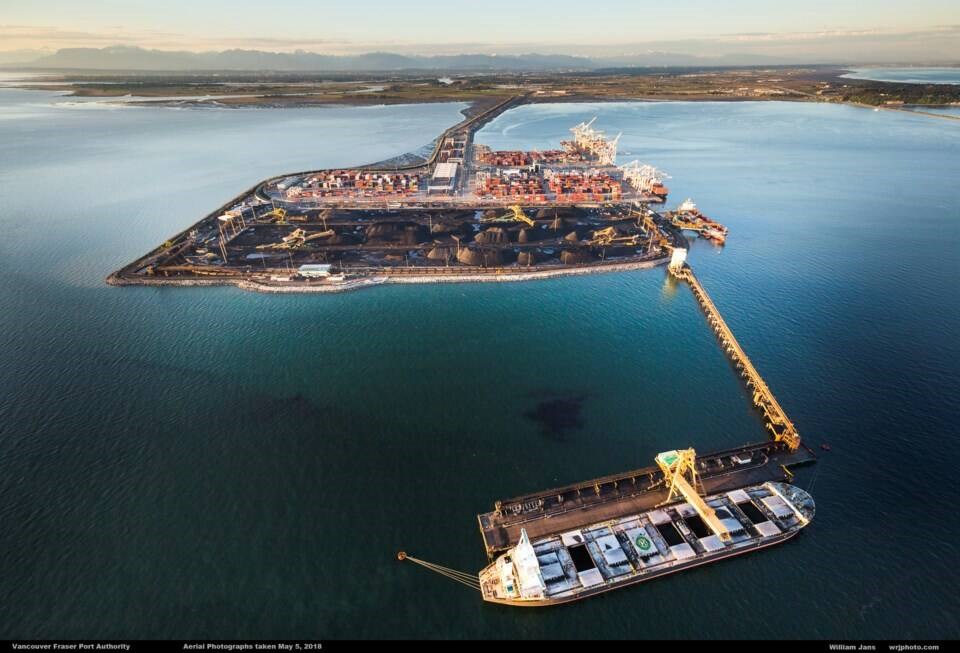
A Canadian federal court has dismissed a legal challenge from the U.S.-based Lummi Nation regarding the expansion of Roberts Bank Terminal 2, which is part of the largest port in Canada. The ruling, delivered on October 11, 2023, concluded that the Canadian government fulfilled its obligation to consult with the Lummi Nation throughout the decision-making process. This development clears a significant legal obstacle for the expansion project in British Columbia.
The Roberts Bank Terminal 2 expansion aims to increase the terminal’s capacity by a third, significantly enhancing its ability to handle shipping traffic and supporting economic growth in the region. The project, which has long been in the planning stages, is backed by the Canadian Environmental Assessment Agency and is deemed crucial for improving trade routes on the Pacific coast.
The Lummi Nation challenged the expansion, expressing concerns about potential adverse effects on local fisheries and marine life, which are integral to their culture and livelihood. The tribe argued that the expansion could disrupt the natural ecosystem and impact their fishing rights, which they claimed are protected under treaties.
In the court’s decision, the judge acknowledged the Lummi Nation’s concerns but determined that the Canadian government had adequately engaged in consultations. This determination is seen as an affirmation of Ottawa’s commitment to addressing Indigenous rights and environmental stewardship while pursuing economic development.
While this ruling is a victory for the Canadian government and stakeholders in the expansion project, it raises ongoing discussions surrounding Indigenous rights and environmental protection in relation to industrial development. The case highlights the complexities involved in balancing economic interests with the rights of Indigenous peoples and the preservation of ecological resources.
Supporters of the expansion argue that the project will create thousands of jobs and significantly boost the local economy. They emphasize that the terminal’s upgrade is essential to meet the increasing demands of global trade. Conversely, opponents continue to voice their concerns regarding environmental impacts, urging the government to prioritize sustainable practices.
As the expansion project moves forward, it will be crucial for stakeholders to remain engaged with Indigenous communities and environmental organizations to address ongoing concerns and ensure responsible development practices. The outcome of this case serves as a reminder of the delicate balance required in managing economic growth while respecting Indigenous rights and environmental integrity.











Canada Must Revise Education Strategies to Improve Math Scores

American Airlines: A Century of Evolution and Dominance

Doug Ford Rides Snowmobile to Support Muskoka Hospital Fundraising

Winnipeg’s Shivers & Shimmies Gala Features International Star THIS WEEKEND

Money Williams Leads Montana to Last-Minute 73-68 Win Over Idaho

Seahawks Logo Sparks Cultural Awakening Ahead of Super Bowl

Beloved Educator Dianne Sharp Passes Away at 78

3 Doors Down Lead Singer Brad Arnold Dies at 47 After Cancer Battle

Fungi Flourish on Carrot Waste: A Solution for Global Hunger

Secwepemc First Nation Seeks Aboriginal Title Over Kamloops Area

Scientists Unearth Ancient Antarctic Ice to Unlock Climate Secrets

Urgent Fire Erupts at Salvation Army on Christmas Evening

Canadian Curler E.J. Harnden Announces Retirement from Competition

Manitoba’s Burger Champion Shines Again Amid Dining Innovations

Fatal Crash on Highway 11 Claims Three Lives, Major Closure Ongoing

Trump and McCormick to Announce $70 Billion Energy Investments

Four Astronauts Return to Earth After International Space Station Mission

TransLink Launches Food Truck Program to Boost Revenue in Vancouver
-
 Politics3 months ago
Secwepemc First Nation Seeks Aboriginal Title Over Kamloops Area
-
 World7 months ago
Scientists Unearth Ancient Antarctic Ice to Unlock Climate Secrets
-
 Top Stories1 month ago
Urgent Fire Erupts at Salvation Army on Christmas Evening
-
 Sports1 month ago
Canadian Curler E.J. Harnden Announces Retirement from Competition
-
 Lifestyle5 months ago
Manitoba’s Burger Champion Shines Again Amid Dining Innovations
-
 Top Stories2 months ago
Fatal Crash on Highway 11 Claims Three Lives, Major Closure Ongoing
-
 Entertainment7 months ago
Trump and McCormick to Announce $70 Billion Energy Investments
-
 Science7 months ago
Four Astronauts Return to Earth After International Space Station Mission
-
 Lifestyle7 months ago
TransLink Launches Food Truck Program to Boost Revenue in Vancouver
-

 Technology5 months ago
Apple Notes Enhances Functionality with Markdown Support in macOS 26
-

 Top Stories1 month ago
Blue Jays Sign Kazuma Okamoto: Impact on Bo Bichette’s Future
-

 Top Stories2 months ago
NHL Teams Inquire About Marc-André Fleury’s Potential Return