
World
Myanmar’s Pro-Military Party Claims Victory in Controversial Poll

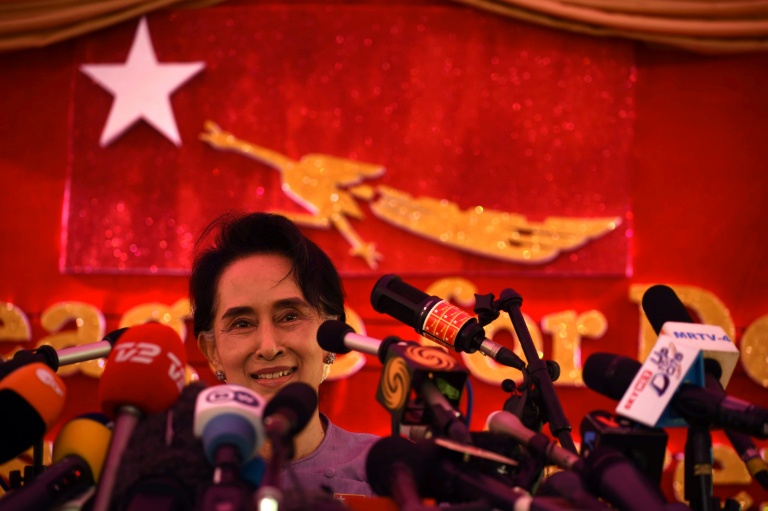
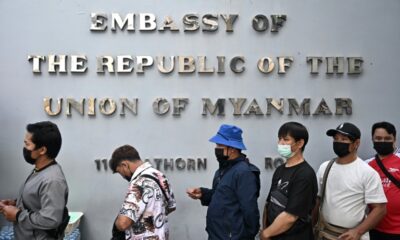
On January 25, 2024, Myanmar’s primary pro-military party, the Union Solidarity and Development Party (USDP), announced it had secured the parliamentary seat previously held by the ousted democratic leader Aung San Suu Kyi. This announcement follows elections widely criticized as a means to legitimize the military junta’s prolonged rule.
The military has governed Myanmar for much of its post-independence history, briefly relinquishing power during a decade-long democratic period. In February 2021, the armed forces staged a coup, detaining Suu Kyi and asserting that irregularities marred her party’s victory in the November 2020 elections. The junta, claiming a return to democracy, has organized a month-long voting process, which has faced significant scrutiny.
Claims of Election Irregularities
According to an anonymous official from the USDP, the party won 15 out of 16 lower house seats in the Yangon region, including Suu Kyi’s former seat in Kawhmu. The official did not disclose the margin of victory, and official results from the election commission, which is largely seen as aligned with the military, have yet to be released. Analysts note that the USDP secured nearly 90 percent of lower house seats in the first phase of voting.
“It should surprise no one that the military-backed party has claimed a landslide victory,” said Tom Andrews, a UN rights expert. “The junta engineered the polls to ensure victory for its proxy, entrench military domination, and manufacture a facade of legitimacy while violence and repression continue unabated.”
Despite the ongoing elections, a quarter of parliamentary seats are reserved for military representatives under a constitution established during a previous military regime. The coup has led to a civil war in Myanmar, with voting not taking place in substantial areas controlled by rebel factions opposing the junta.
Human Cost of the Conflict
The violence associated with the conflict has resulted in significant loss of life. The monitoring group ACLED estimates that approximately 90,000 people have died due to the ongoing civil war. On December 28, the day of the election’s initial phase, there were 52 incidents of violence, resulting in 68 fatalities, the highest number recorded in eight months.
In addition, the junta has intensified efforts to suppress dissent. More than 330 individuals are currently being pursued under newly enacted laws that impose severe penalties for protesting or criticizing the election process, including potential prison sentences of up to 10 years.
The Assistance Association for Political Prisoners reports that over 22,000 political prisoners, including Suu Kyi, remain detained under the junta’s rule. The international community continues to monitor the situation closely, as the humanitarian crisis deepens amidst ongoing violence and repression.
As Myanmar approaches the final phase of voting, the implications of this election and the military’s ongoing grip on power raise critical questions about the future of democracy in the country.









Morris Churches Unite for Annual Good Friday Walk With the Cross

Chloe Zhao’s ‘Buffy’ Reboot Cancelled: Sarah Michelle Gellar Speaks Out

Essential Ingredients for Life Found in Ryugu Asteroid Samples

Urgent Rescue: NSR Airlifts Injured Climber from Nanaimo

Riverside Heart Ball Achieves Record $815,000 for Mental Health

Cognizant Launches AI Factory to Enhance Enterprise AI Scalability

Samsung’s Galaxy Watch 9 to Feature Larger Battery Than Before

Toronto’s AIDS Memorial Faces Potential Redesign Amid Community Concerns

Bayern Munich Loses Luis Díaz Red Card Appeal Despite Referee’s Admission

Secwepemc First Nation Seeks Aboriginal Title Over Kamloops Area

Fatal Crash on Highway 11 Claims Three Lives, Major Closure Ongoing

Manitoba’s Burger Champion Shines Again Amid Dining Innovations

Canadian Curler E.J. Harnden Announces Retirement from Competition

Urgent Fire Erupts at Salvation Army on Christmas Evening

Scientists Unearth Ancient Antarctic Ice to Unlock Climate Secrets

Minister Faces Scrutiny Over Delayed Foreign Interference Watchdog Appointment

Trump and McCormick to Announce $70 Billion Energy Investments

Monika Hibbs Unveils Acres Market & Interiors in Major Rebrand
-
 Politics5 months ago
Secwepemc First Nation Seeks Aboriginal Title Over Kamloops Area
-
 Top Stories4 months ago
Fatal Crash on Highway 11 Claims Three Lives, Major Closure Ongoing
-
 Lifestyle7 months ago
Manitoba’s Burger Champion Shines Again Amid Dining Innovations
-
 Sports4 months ago
Canadian Curler E.J. Harnden Announces Retirement from Competition
-
 Top Stories4 months ago
Urgent Fire Erupts at Salvation Army on Christmas Evening
-
 World9 months ago
Scientists Unearth Ancient Antarctic Ice to Unlock Climate Secrets
-
 World5 months ago
Minister Faces Scrutiny Over Delayed Foreign Interference Watchdog Appointment
-
 Entertainment9 months ago
Trump and McCormick to Announce $70 Billion Energy Investments
-
 Lifestyle9 months ago
Monika Hibbs Unveils Acres Market & Interiors in Major Rebrand
-

 Science9 months ago
Four Astronauts Return to Earth After International Space Station Mission
-

 Lifestyle9 months ago
TransLink Launches Food Truck Program to Boost Revenue in Vancouver
-

 World2 months ago
Ranchman’s Cookhouse & Dancehall to Relocate by Early 2027