
World
NTSB Chair Criticizes Defense Bill, Warns of Air Safety Risks

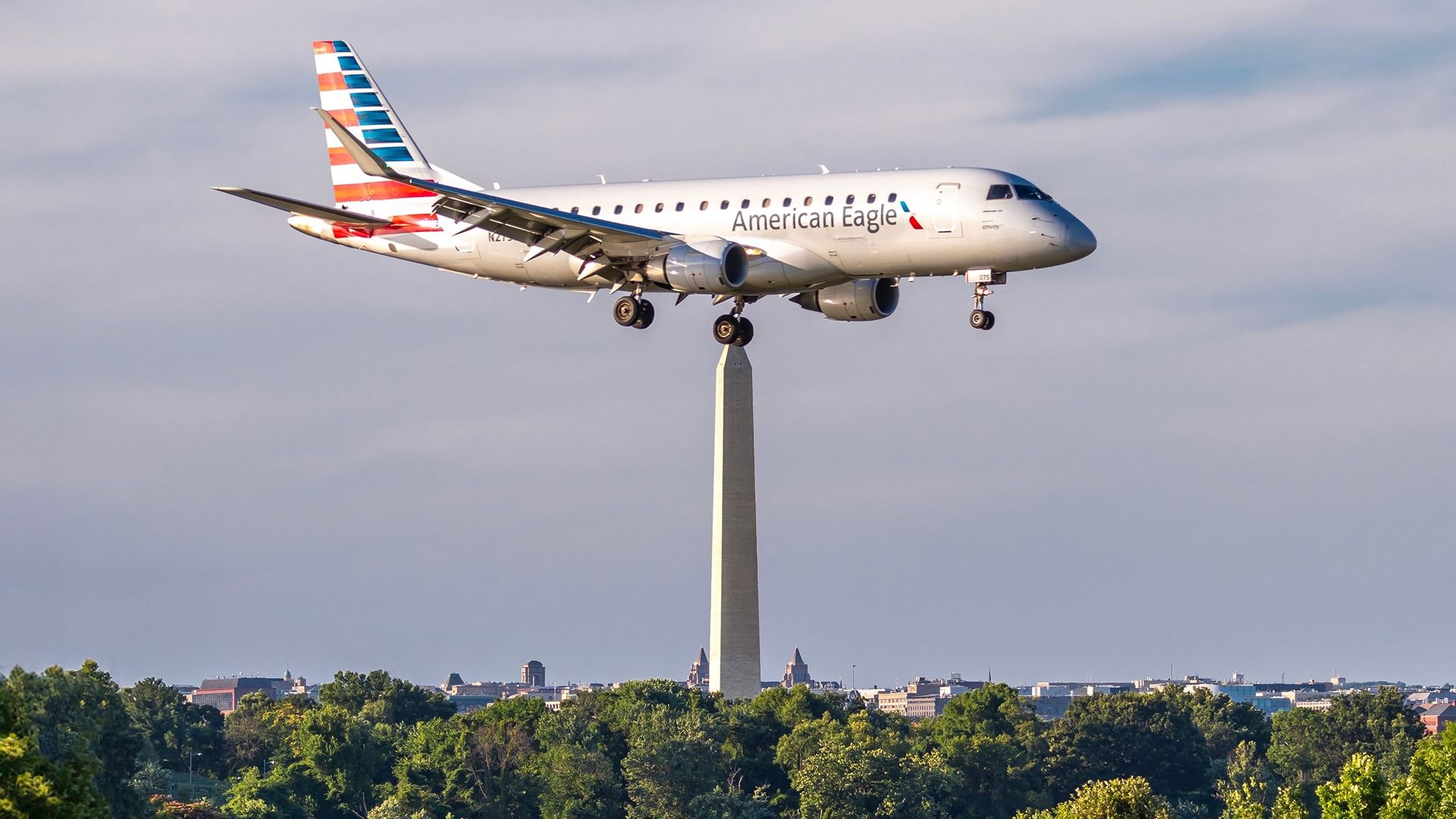
The Chair of the National Transportation Safety Board, Jennifer Homendy, has strongly criticized a new defense bill, expressing concerns that it will compromise air safety around Ronald Reagan Washington National Airport (DCA). The legislation, part of a larger $900 billion budget for the Department of Defense, includes provisions that would allow military aircraft to operate in DCA airspace with reduced tracking requirements.
During a press conference on December 10, Homendy described the bill as a “shameful step backward.” Her remarks follow a tragic midair collision in January 2025, involving American Airlines Flight 5342 and a U.S. Army helicopter, which resulted in the deaths of 67 people. The NTSB’s investigation revealed that the helicopter deviated from its assigned altitude, contributing to the incident.
Concerns Over Military Access and Air Safety
The proposed changes in the National Defense Authorization Act (NDAA) would permit U.S. Army helicopters to fly through DCA airspace without modern tracking devices, significantly reducing safety oversight. Homendy argued that this not only endangers passengers but also undermines the safety improvements enacted after the January crash.
According to reports, military aircraft previously exempt from certain regulations, such as broadcasting their location using ADS-B technology, could now operate with even less accountability. This raises alarms, particularly in an airspace known for its congestion and operational challenges. In a period from 2021 to 2024, the NTSB documented over 15,000 near-miss incidents involving military and commercial aircraft in this region.
At a recent Senate hearing, Adam Smith, the top Democrat on the Armed Services panel, echoed Homendy’s concerns. He expressed fears that the bill would allow the Pentagon to operate without sufficient oversight from Congress, especially under the current administration.
A History of Safety Risks
The airspace surrounding DCA has a notorious reputation for close calls, exacerbated by heavy traffic and ongoing military operations. Following the fatal collision earlier this year, the Federal Aviation Administration (FAA) imposed restrictions on nonessential helicopter flights in the area. Yet, the new provisions in the NDAA could potentially reverse these safety measures.
The NTSB’s analysis indicates that there was at least one “close call” each month between commercial planes and helicopters from 2011 to 2024. Homendy pointed out that the proposed legislation could roll back critical post-crash safety improvements, which include mandatory use of ADS-B technology for military aircraft.
As discussions around the NDAA continue, the stakes remain high for air safety in the nation’s capital. Both Homendy and affected families are urging lawmakers to reconsider the implications of granting military aircraft such unrestricted access to DCA airspace. With the potential for history to repeat itself, the need for accountability and oversight in military aviation has never been more pressing.








Morris Churches Unite for Annual Good Friday Walk With the Cross

Chloe Zhao’s ‘Buffy’ Reboot Cancelled: Sarah Michelle Gellar Speaks Out

Essential Ingredients for Life Found in Ryugu Asteroid Samples

Urgent Rescue: NSR Airlifts Injured Climber from Nanaimo

Riverside Heart Ball Achieves Record $815,000 for Mental Health

Cognizant Launches AI Factory to Enhance Enterprise AI Scalability

Samsung’s Galaxy Watch 9 to Feature Larger Battery Than Before

Toronto’s AIDS Memorial Faces Potential Redesign Amid Community Concerns

Bayern Munich Loses Luis Díaz Red Card Appeal Despite Referee’s Admission

Secwepemc First Nation Seeks Aboriginal Title Over Kamloops Area

Fatal Crash on Highway 11 Claims Three Lives, Major Closure Ongoing

Manitoba’s Burger Champion Shines Again Amid Dining Innovations

Canadian Curler E.J. Harnden Announces Retirement from Competition

Urgent Fire Erupts at Salvation Army on Christmas Evening

Scientists Unearth Ancient Antarctic Ice to Unlock Climate Secrets

Minister Faces Scrutiny Over Delayed Foreign Interference Watchdog Appointment

Trump and McCormick to Announce $70 Billion Energy Investments

Monika Hibbs Unveils Acres Market & Interiors in Major Rebrand
-
 Politics5 months ago
Secwepemc First Nation Seeks Aboriginal Title Over Kamloops Area
-
 Top Stories4 months ago
Fatal Crash on Highway 11 Claims Three Lives, Major Closure Ongoing
-
 Lifestyle7 months ago
Manitoba’s Burger Champion Shines Again Amid Dining Innovations
-
 Sports3 months ago
Canadian Curler E.J. Harnden Announces Retirement from Competition
-
 Top Stories4 months ago
Urgent Fire Erupts at Salvation Army on Christmas Evening
-
 World9 months ago
Scientists Unearth Ancient Antarctic Ice to Unlock Climate Secrets
-
 World5 months ago
Minister Faces Scrutiny Over Delayed Foreign Interference Watchdog Appointment
-
 Entertainment9 months ago
Trump and McCormick to Announce $70 Billion Energy Investments
-
 Lifestyle9 months ago
Monika Hibbs Unveils Acres Market & Interiors in Major Rebrand
-

 Science9 months ago
Four Astronauts Return to Earth After International Space Station Mission
-

 Lifestyle9 months ago
TransLink Launches Food Truck Program to Boost Revenue in Vancouver
-

 World1 month ago
Ranchman’s Cookhouse & Dancehall to Relocate by Early 2027