
World
Trump Signs Executive Order to Potentially Reclassify Marijuana

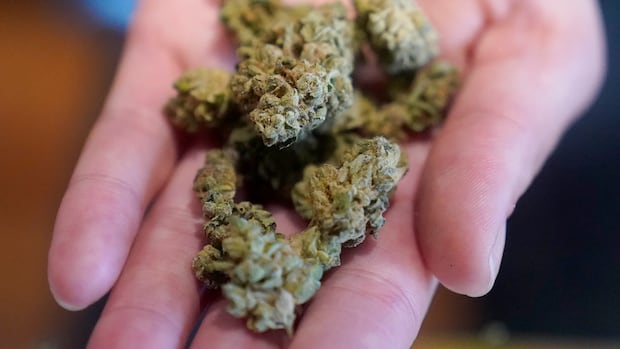
U.S. President Donald Trump signed an executive order on March 15, 2024, that could lead to a significant reclassification of marijuana under federal law. This move aims to downgrade the drug’s status from a Schedule I substance, which currently aligns it with heroin and LSD, to a Schedule III classification, similar to ketamine and certain anabolic steroids. While this change would not legalize marijuana for recreational use nationwide, it could alter its regulatory framework and alleviate some financial burdens on the cannabis industry.
The executive order represents a notable shift in federal drug policy, aligning more closely with the paths taken by numerous states that have already legalized marijuana for either recreational or medical purposes. Trump stated that he had received overwhelming support for the initiative, citing pleas from individuals suffering from chronic pain. “We have people begging for me to do this. People that are in great pain,” he remarked during the signing event at the White House.
Implications for Medical Research and Industry Regulations
The reclassification process will be overseen by the Drug Enforcement Administration (DEA), which has yet to finalize its review of marijuana’s classification. Trump’s order is anticipated to expedite this process, although it remains uncertain how long the reclassification might take. If successful, it could pave the way for expanded medical research and increased access to cannabis-related products, including CBD, a hemp-derived compound whose health benefits are still being debated.
The executive order also proposes that Medicare will cover legal hemp-derived CBD for older adults, provided it is recommended by a physician. This initiative, led by Dr. Mehmet Oz, who heads the Centers for Medicare and Medicaid Services, aims to make CBD more accessible to patients who may benefit from its use.
Polling data from Gallup indicates a substantial shift in public opinion regarding marijuana legalization, with support rising from 36 percent in 2005 to 68 percent in recent surveys. This growing acceptance reflects broader societal changes and may influence future legislative decisions.
Political Divide and Opposition
Despite Trump’s support for the executive order, not all members of the Republican Party are in agreement. More than 20 Republican senators, including prominent allies of Trump, have expressed their opposition to reclassification. This group, led by Senator Ted Budd of North Carolina, argues that marijuana poses health risks and that reclassifying it could undermine Trump’s broader agenda. They contend that such a shift would benefit illegal operators and potentially endanger public health and safety.
Trump’s previous statements suggest ambivalence towards the issue of marijuana legalization, as he has maintained that it should be a matter decided state by state. His administration has focused heavily on combating other substances, particularly fentanyl, demonstrating a complex relationship with drug policy.
As the debate around marijuana continues, the implications of Trump’s executive order could have far-reaching effects on both the cannabis industry and public health policy across the United States. The outcome may also influence how the U.S. approaches drug regulation in a landscape where public opinion is increasingly favoring less restrictive measures.












Strategy Transforms into Leveraged Bitcoin Vehicle Amid $12.4B Loss

Ride App Faces Off Against Google Maps in Transport Challenge

Liam Draxl Secures Dramatic Davis Cup Victory for Canada

Canada Must Revise Education Strategies to Improve Math Scores

American Airlines: A Century of Evolution and Dominance

Doug Ford Rides Snowmobile to Support Muskoka Hospital Fundraising

Winnipeg’s Shivers & Shimmies Gala Features International Star THIS WEEKEND

Money Williams Leads Montana to Last-Minute 73-68 Win Over Idaho

Seahawks Logo Sparks Cultural Awakening Ahead of Super Bowl

Secwepemc First Nation Seeks Aboriginal Title Over Kamloops Area

Scientists Unearth Ancient Antarctic Ice to Unlock Climate Secrets

Urgent Fire Erupts at Salvation Army on Christmas Evening

Canadian Curler E.J. Harnden Announces Retirement from Competition

Manitoba’s Burger Champion Shines Again Amid Dining Innovations

Fatal Crash on Highway 11 Claims Three Lives, Major Closure Ongoing

Trump and McCormick to Announce $70 Billion Energy Investments

Four Astronauts Return to Earth After International Space Station Mission

TransLink Launches Food Truck Program to Boost Revenue in Vancouver
-
 Politics3 months ago
Secwepemc First Nation Seeks Aboriginal Title Over Kamloops Area
-
 World7 months ago
Scientists Unearth Ancient Antarctic Ice to Unlock Climate Secrets
-
 Top Stories1 month ago
Urgent Fire Erupts at Salvation Army on Christmas Evening
-
 Sports1 month ago
Canadian Curler E.J. Harnden Announces Retirement from Competition
-
 Lifestyle5 months ago
Manitoba’s Burger Champion Shines Again Amid Dining Innovations
-
 Top Stories2 months ago
Fatal Crash on Highway 11 Claims Three Lives, Major Closure Ongoing
-
 Entertainment7 months ago
Trump and McCormick to Announce $70 Billion Energy Investments
-
 Science7 months ago
Four Astronauts Return to Earth After International Space Station Mission
-
 Lifestyle7 months ago
TransLink Launches Food Truck Program to Boost Revenue in Vancouver
-

 Technology5 months ago
Apple Notes Enhances Functionality with Markdown Support in macOS 26
-

 Top Stories1 month ago
Blue Jays Sign Kazuma Okamoto: Impact on Bo Bichette’s Future
-

 Top Stories2 months ago
NHL Teams Inquire About Marc-André Fleury’s Potential Return